

 English
 China
China Thailand
 Malaysia
 Vietnam
 Laos
Laos Cambodia
 Pilipinas
 Indonesia
 Russian
 Portuguese
 Arabic
 Japanese
 Spanish
 Italian
 French
 German
News
- Home
- News
- Company News
Perimeter security has undergone significant transformations over the years, evolving from simple wooden fences to sophisticated anti-climb 3D fence systems. This section will explore the journey of perimeter protection and highlight why advanced 3D fence technology is becoming increasingly popular in enhancing security measures.
For centuries, physical barriers have been used to demarcate property boundaries and protect assets. The earliest forms of perimeter security were basic, such as stone walls or wooden fences. These structures provided a visible deterrent but offered limited resistance against determined intruders.
With the advent of modern materials and manufacturing techniques, the effectiveness of perimeter security has significantly improved. Metal fencing, for example, introduced a higher level of durability and strength. However, traditional flat metal fences still presented vulnerabilities, particularly to climbing and cutting. This led to the development of more advanced solutions like the anti-climb 3D fence.
The anti-climb 3D fence represents a significant leap forward in perimeter security. This section will delve into the unique features and mechanisms that make this type of fence so effective.
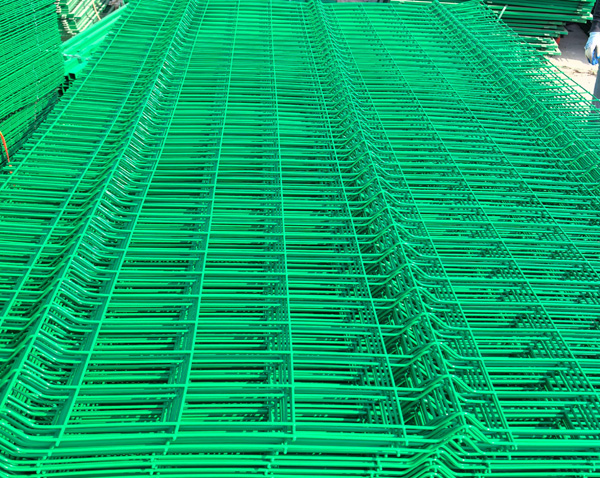
Anti-climb 3D fences are designed with a three-dimensional structure, featuring horizontal and vertical wires that create a complex surface. This design makes it extremely difficult for intruders to gain a foothold or handhold, thereby deterring unauthorized access. The use of high-quality materials, such as galvanized steel, ensures long-lasting durability and resistance to corrosion.
One of the key advantages of anti-climb 3D fences is their compatibility with other security technologies. These fences can be seamlessly integrated with surveillance cameras, motion sensors, and alarm systems, creating a multi-layered security approach. This integration enhances the overall effectiveness of the security system, providing real-time monitoring and immediate response capabilities.
Beyond the basic physical barrier, anti-climb 3D fences offer a range of advanced features that further enhance their security capabilities. This section will explore these features and their benefits.
Anti-climb 3D fences are often finished with a bright, reflective coating that makes them highly visible, even in low-light conditions. This high visibility serves as a strong visual deterrent, making potential intruders think twice before attempting to breach the perimeter. The psychological impact of a well-lit, clearly defined boundary cannot be underestimated in terms of its effectiveness.
Modern anti-climb 3D fences come with a variety of design options, allowing for customization to fit specific security needs and aesthetic preferences. For example, the height, spacing, and color of the fence can be tailored to match the surrounding environment while maintaining optimal security performance. This flexibility ensures that the fence not only provides robust protection but also complements the overall look of the property.
While the initial investment in an anti-climb 3D fence may be higher compared to traditional fencing, the long-term benefits and cost savings make it a worthwhile investment. This section will discuss the financial and operational advantages of implementing 3D fence technology.
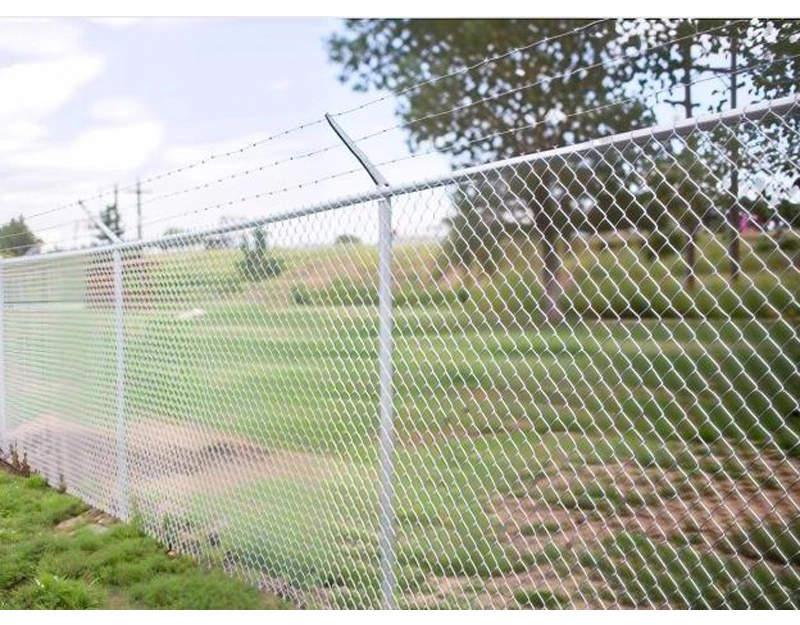
Anti-climb 3D fences are built to last, with minimal maintenance required. Unlike wooden or chain-link fences, which can deteriorate over time due to weather and wear, 3D fences are resistant to corrosion and require little upkeep. This reduces the long-term costs associated with repairs and replacements, making them a cost-effective solution in the long run.
Properties equipped with advanced security measures, such as anti-climb 3D fences, often qualify for lower insurance premiums. Insurance companies recognize the reduced risk of theft and vandalism, and as a result, offer discounts on policy rates. This can lead to significant savings over time, offsetting the initial cost of the fence installation.
To illustrate the effectiveness of anti-climb 3D fences, this section will present case studies and real-world applications where these fences have been successfully implemented.
In industrial and commercial settings, the need for robust perimeter security is paramount. Anti-climb 3D fences have been widely adopted in warehouses, factories, and business parks. These fences provide a strong physical barrier that deters unauthorized entry and protects valuable assets. Case studies from various industries demonstrate the effectiveness of 3D fences in reducing security breaches and enhancing overall safety.
Residential communities and private properties also benefit from the enhanced security provided by anti-climb 3D fences. In residential areas, these fences help to create a safe and secure environment for residents, deterring burglaries and other criminal activities. Community case studies show how 3D fences have contributed to a sense of safety and peace of mind for homeowners, leading to a higher quality of life.

Leave a Reply