

 English
 China
China Thailand
 Malaysia
 Vietnam
 Laos
Laos Cambodia
 Pilipinas
 Indonesia
 Russian
 Portuguese
 Arabic
 Japanese
 Spanish
 Italian
 French
 German
News
- Home
- News
- Company News
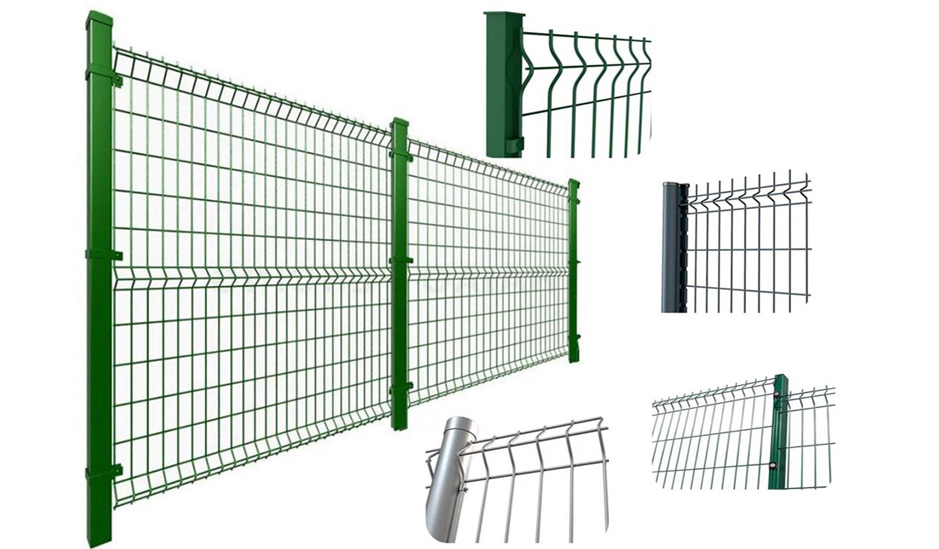
High-security fences, particularly those designed to be anti-climb, play a critical role in protecting properties and assets from unauthorized access. An Anti climb high security fence supplier is often the first point of contact for organizations and individuals looking to enhance their perimeter security. These fences are not only a physical barrier but also a psychological deterrent, making it clear that the area is protected and monitored.
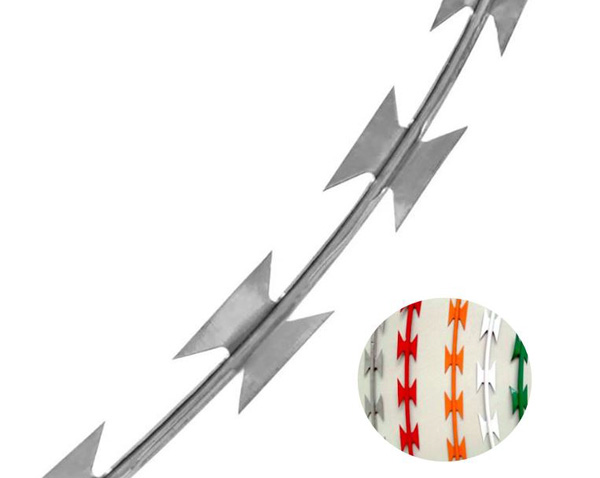
The design of these fences is specifically tailored to prevent climbing, with features such as pointed tops, tight mesh, and reinforced materials. The importance of selecting a high-quality fence cannot be overstated, as substandard products can easily be compromised, leading to potential security breaches.
When choosing an anti-climb fence, several factors must be considered to ensure the right product is selected. First, the environment where the fence will be installed should be evaluated. Factors such as weather conditions, terrain, and local regulations can all influence the type of fence that is most suitable. For example, areas with high winds may require a more robust and stable fencing solution.
Second, the level of security required should be determined. Different types of anti-climb fences offer varying degrees of protection. Some may be more effective at preventing climbing, while others may be better suited for deterring vandalism or theft. It is essential to consult with a knowledgeable anti climb high security fence supplier to understand the specific needs of your property and to select the most appropriate fence.
Third, the aesthetic aspect of the fence should not be overlooked. While security is the primary concern, the fence should also complement the overall appearance of the property. Many suppliers offer a range of designs and finishes to meet both security and aesthetic requirements.
Proper installation is crucial for ensuring the effectiveness of an anti-climb fence. The process should begin with a thorough site assessment to determine the best layout and placement of the fence. This includes identifying any obstacles, such as trees, buildings, or other structures, that may affect the installation.
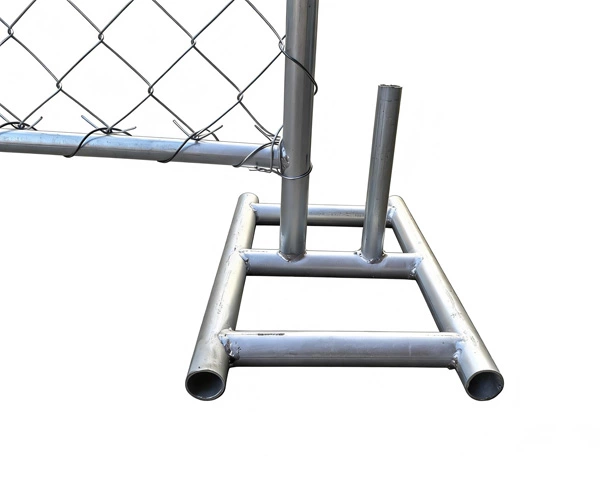
Next, the foundation and posts must be securely anchored to provide a stable base for the fence. Depending on the type of fence, this may involve concrete footings, ground anchors, or other methods. It is important to follow the manufacturer's guidelines and any local building codes to ensure the fence is installed correctly.
Once the posts are in place, the fence panels or mesh can be attached. This should be done carefully to ensure that the fence is taut and secure. Any gaps or weak points should be addressed to prevent potential breaches. Regular inspections during and after the installation process can help identify and correct any issues before they become a problem.
To ensure the longevity and effectiveness of an anti-climb fence, regular maintenance is essential. This includes periodic inspections to check for any signs of wear, damage, or corrosion. Common issues to look out for include loose or damaged posts, rusted components, and sagging sections of the fence.
Regular cleaning is also important, especially in environments where dirt, debris, and vegetation can accumulate. This can be done using a mild detergent and water, followed by a thorough rinse. In some cases, pressure washing may be necessary to remove stubborn dirt or stains.
Additionally, it is important to address any repairs promptly. Small issues, if left unattended, can quickly escalate into larger problems. A reputable anti climb high security fence supplier can provide guidance on the best practices for maintaining and repairing the fence, as well as offer professional services if needed.
When installing an anti-climb fence, it is essential to ensure compliance with all relevant laws and regulations. This includes local building codes, zoning laws, and any specific requirements for high-security installations. Failure to comply with these regulations can result in fines, legal issues, and even the removal of the fence.
It is also important to consider the potential impact on neighboring properties and public spaces. Fences that obstruct views, impede access, or pose a safety hazard to the public may need to be modified or relocated. Consulting with a professional anti climb high security fence supplier can help navigate these legal and regulatory considerations, ensuring that the fence is installed in a way that is both effective and compliant.
By following these guidelines, property owners and managers can ensure that their anti-climb fences provide the highest level of security while also meeting all legal and regulatory requirements.
Leave a Reply