

 English
 China
China Thailand
 Malaysia
 Vietnam
 Laos
Laos Cambodia
 Pilipinas
 Indonesia
 Russian
 Portuguese
 Arabic
 Japanese
 Spanish
 Italian
 French
 German
News
- Home
- News
- Company News
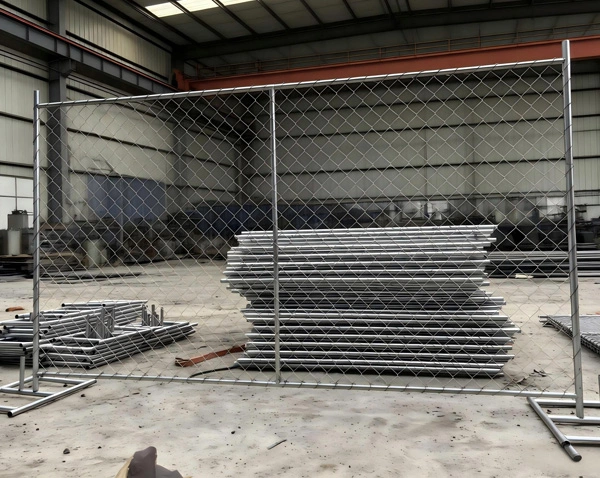
Installing a workshop isolation net, such as a Metal wire Boundary fence, is a critical step in enhancing the safety and efficiency of your workspace. This technical report will guide you through the process, ensuring that your installation not only meets but exceeds industry standards for maximum efficiency.
The first step in any successful installation project is to understand the importance of what you are installing. A Metal Wire Boundary Fence serves multiple purposes within a workshop setting. It delineates work areas, protecting both personnel and equipment from potential hazards. Additionally, it can help in managing noise pollution, thereby creating a more focused and productive environment. By recognizing these benefits, one can better appreciate the need for a meticulous installation process.
Choosing the correct type of fence is crucial for the success of your project. The selection should be based on several factors, including the specific needs of your workshop, the level of security required, and the environmental conditions of the area. For instance, if your workshop is located in an area prone to high winds or heavy rain, a stronger, more durable fencing material may be necessary. Similarly, if there is a need for enhanced visibility or aesthetics, certain designs might be more suitable than others. It's also important to consider the ease of maintenance and the expected lifespan of the chosen material, as these factors directly impact the overall cost-effectiveness of the installation.
Before beginning the installation process, thorough site preparation is essential. This includes clearing the area of any debris, marking out where the fence will be installed, and ensuring that the ground is level and stable. In some cases, additional groundwork, such as laying a concrete foundation, may be necessary to provide adequate support for the fence. Accurate measurements and careful planning at this stage will save time and effort during the actual installation and ensure a professional-looking result.
Once the site is prepared, the next step is to begin the installation. Here’s a detailed guide:
Following these steps will help you achieve a robust and efficient Metal Wire Boundary Fence that meets all your workshop’s needs.
Proper maintenance is key to extending the life of your Metal Wire Boundary Fence. Regular inspections should be conducted to check for any signs of wear, damage, or corrosion. Any issues should be addressed promptly to prevent further deterioration. Additionally, cleaning the fence periodically can help maintain its appearance and functionality. For fences exposed to harsh weather conditions, applying a protective coating or treatment may be advisable to enhance durability.
By following the guidelines outlined in this report, you can successfully install a Metal Wire Boundary Fence that not only enhances the safety and organization of your workshop but also contributes to its overall efficiency. Remember, the key to a successful installation lies in proper planning, careful execution, and regular maintenance. With these elements in place, your Metal Wire Boundary Fence will serve as a reliable and effective barrier, providing long-term benefits to your workshop operations.

Leave a Reply