

 English
 China
China Thailand
 Malaysia
 Vietnam
 Laos
Laos Cambodia
 Pilipinas
 Indonesia
 Russian
 Portuguese
 Arabic
 Japanese
 Spanish
 Italian
 French
 German
News
- Home
- News
- Company News
When it comes to selecting the appropriate materials for a project, one often encounters the term "galvanized wire grid panels". These versatile and durable structures are commonly used in construction, agriculture, and even in home improvement projects. Choosing the right galvanized wire grid can significantly impact the success of your project, ensuring both functionality and longevity. This report aims to guide you through the process of making an informed decision when it comes to selecting the best galvanized wire grid for your specific needs.
Galvanized wire grid panels are made from Steel Wires that have been coated with zinc to prevent corrosion. The zinc coating provides a protective layer that shields the underlying metal from rust and other forms of degradation. This makes galvanized wire grids ideal for outdoor applications where they may be exposed to moisture, humidity, and other environmental factors. Understanding the basics of these panels is the first step in choosing the right one for your project.
The primary advantage of using galvanized wire grid panels is their durability. The zinc coating not only protects against rust but also enhances the overall strength of the wire. This makes them suitable for a wide range of applications, including fencing, shelving, and even as a base for concrete slabs. Additionally, the open mesh design allows for air circulation, which can be beneficial in certain agricultural and horticultural settings.
One of the most critical factors to consider when choosing a galvanized wire grid panel is its strength and durability. The thickness of the wire, the quality of the zinc coating, and the overall construction of the panel all play a role in determining its ability to withstand various conditions. For instance, a thicker wire will generally provide more strength and resistance to bending or breaking. Similarly, a high-quality zinc coating will offer better protection against corrosion and extend the lifespan of the panel.
To evaluate the strength and durability of a galvanized wire grid, it is essential to review the manufacturer's specifications. Look for information on the wire gauge, the type of zinc coating (e.g., hot-dipped or electroplated), and any additional treatments that may enhance the panel's performance. It is also advisable to check for any certifications or quality assurance marks that indicate the product meets industry standards.
The choice of galvanized wire grid panels should be tailored to the specific application and environment in which they will be used. Different projects require different types of wire grids, and the environment can greatly influence the performance and longevity of the material. For example, if the grid is intended for use in a coastal area, it may need to have a higher level of corrosion resistance due to the increased exposure to saltwater and humidity.
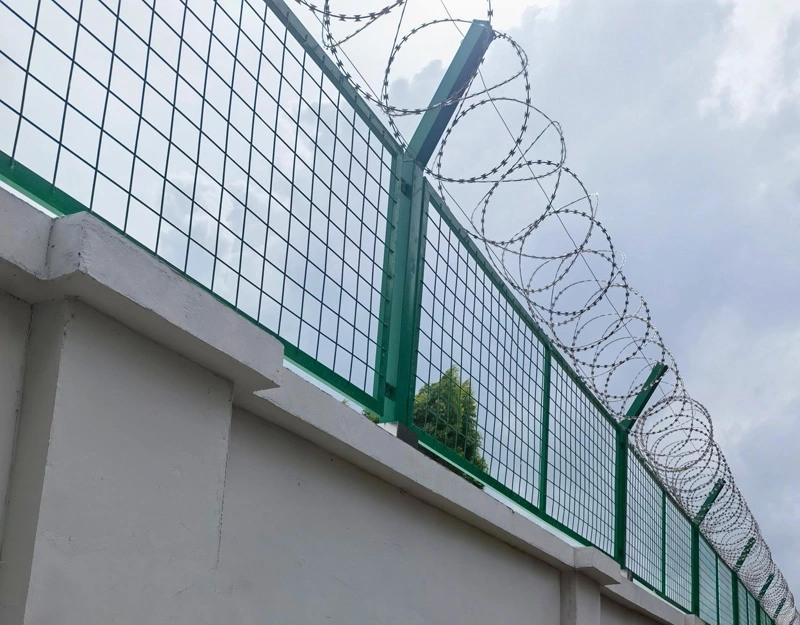
For agricultural applications, such as fencing or creating enclosures for livestock, the wire grid should be strong enough to withstand the weight and pressure of animals. In contrast, if the grid is being used for industrial shelving, the focus may be more on load-bearing capacity and ease of installation. It is crucial to consider the specific requirements of your project and choose a galvanized wire grid that is well-suited to those needs.
Proper installation and maintenance are key to ensuring the long-term performance of galvanized wire grid panels. Before installing the grid, it is important to prepare the site properly. This may involve leveling the ground, removing any debris, and ensuring that the surface is stable and secure. Following the manufacturer's instructions for installation is crucial to avoid any issues that could compromise the integrity of the grid.
Maintenance is another important aspect to consider. While galvanized wire grids are designed to be low-maintenance, regular inspections and minor repairs can help prolong their lifespan. Check for any signs of wear, such as loose wires or damaged coatings, and address them promptly. Additionally, keeping the grid clean and free from debris can help prevent corrosion and ensure that it continues to function effectively.
When evaluating the cost-effectiveness of galvanized wire grid panels, it is important to consider both the initial purchase price and the long-term value. While some options may be more expensive upfront, they may offer greater durability and require less maintenance over time, ultimately providing a better return on investment. Conversely, cheaper options may need to be replaced more frequently, leading to higher costs in the long run.
To make an informed decision, it is helpful to compare the total cost of ownership for different types of galvanized wire grids. This includes the initial cost, installation expenses, and any ongoing maintenance or replacement costs. By considering the full lifecycle of the product, you can choose a galvanized wire grid that offers the best balance of cost and performance for your project.
In conclusion, choosing the right galvanized wire grid for your project requires a thorough understanding of the material's properties, the specific needs of your application, and the environmental conditions it will be exposed to. By carefully evaluating the strength and durability of the grid, considering the installation and maintenance requirements, and assessing the long-term value, you can select a galvanized wire grid that will meet your project's needs and provide reliable performance for years to come.
Leave a Reply