

 English
 China
China Thailand
 Malaysia
 Vietnam
 Laos
Laos Cambodia
 Pilipinas
 Indonesia
 Russian
 Portuguese
 Arabic
 Japanese
 Spanish
 Italian
 French
 German
News
- Home
- News
- Company News
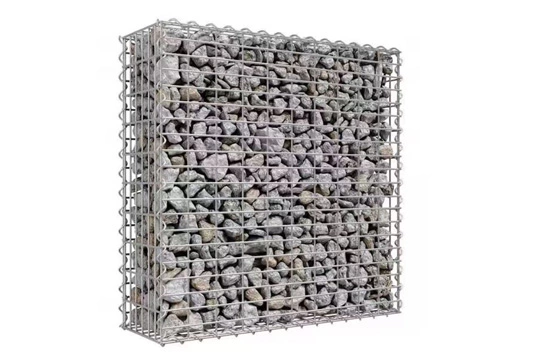
Galvanized wire, a material known for its durability and resistance to corrosion, has become an indispensable component in modern construction. Among the various forms of galvanized wire, galvanized wire grid panels stand out due to their versatility and adaptability. This report explores the multifaceted applications of galvanized wire, with a particular focus on grid panels, highlighting their benefits, installation processes, and potential future developments.
When it comes to choosing materials for construction projects, longevity and reliability are paramount. Galvanized wire, through a process of coating steel or iron with zinc, offers unparalleled protection against rust and wear. This makes it an ideal choice for both indoor and outdoor applications. The zinc layer not only acts as a barrier between the metal and the environment but also provides cathodic protection, further enhancing its lifespan. In the context of galvanized wire grid panels, this translates into a product that can withstand harsh conditions while maintaining its structural integrity over time. Its robustness ensures that these panels remain a cost-effective solution for a wide range of building needs.
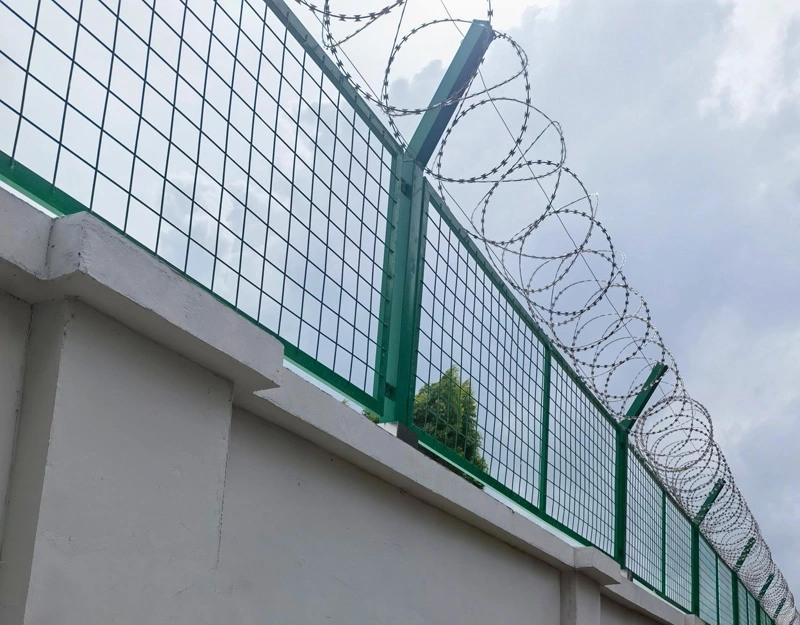
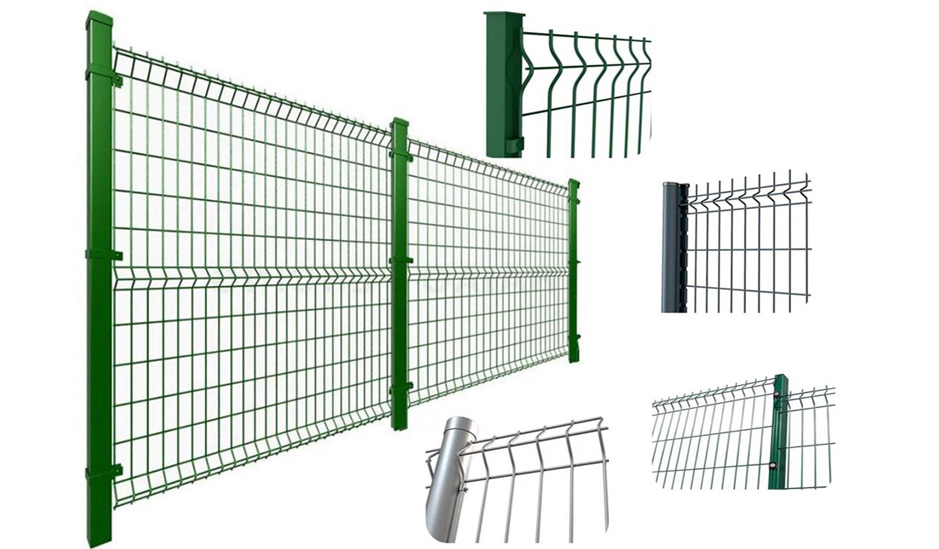
One of the most compelling aspects of galvanized wire grid panels is their flexibility in design and application. Architects and designers have increasingly turned to these panels for their ability to create unique visual effects while serving practical purposes. For instance, they can be used as fencing, providing security without compromising aesthetics. Additionally, in interior design, these panels offer a contemporary look, suitable for creating partitions, decorative features, or even as support structures for climbing plants, thus blending functionality with artistic expression. Their lightweight nature also means they can be easily installed and customized according to specific project requirements, making them a versatile tool in the architect's arsenal.
In today’s world, sustainability is no longer just a buzzword; it is a necessity. The use of galvanized wire grid panels aligns well with green building practices. Firstly, the long-lasting nature of these panels reduces the need for frequent replacements, thereby minimizing waste. Secondly, the production process of galvanizing involves less energy consumption compared to other surface treatments, contributing to lower carbon emissions. Moreover, at the end of their lifecycle, these panels can be recycled, further reducing environmental impact. This makes galvanized wire grid panels not only a smart choice from an economic perspective but also an environmentally responsible one, supporting the global push towards more sustainable construction methods.
The ease of installation is another significant advantage of using galvanized wire grid panels. These panels come in standardized sizes, which simplifies the planning phase of any construction project. They can be easily cut to size on-site if needed, allowing for precise fitting. Furthermore, the installation process typically requires minimal tools, making it accessible even for DIY enthusiasts. Once installed, maintenance is straightforward, often involving just regular cleaning to remove dirt and debris. The inherent durability of the material means that more intensive repairs are rarely necessary, saving both time and resources in the long run. This low-maintenance characteristic adds to the overall appeal of galvanized wire grid panels as a reliable and user-friendly option in modern construction.
As technology continues to evolve, so too does the potential for galvanized wire grid panels. One area of development is the integration of smart technologies. For example, incorporating sensors into the panels could enable real-time monitoring of structural health, alerting maintenance teams to any issues before they become critical. Another exciting prospect is the use of advanced coatings that enhance the already impressive properties of galvanized wire, such as increased resistance to extreme weather conditions or improved fire retardancy. Innovations like these promise to make galvanized wire grid panels even more versatile and resilient, opening up new possibilities for their use in a variety of construction contexts. As the industry moves forward, it is clear that galvanized wire grid panels will continue to play a crucial role in shaping the future of modern architecture and engineering.
Leave a Reply