How to Choose the Right 868 Fence for Your Property
Choosing the right 868 fence for your property is a decision that balances aesthetics, security, and durability. This guide will help you understand the key factors to consider when making this important choice. From material selection to installation considerations, we’ll cover everything you need to know to ensure your 868 fence not only meets but exceeds your expectations.
Understanding the 868 Fence Specifications
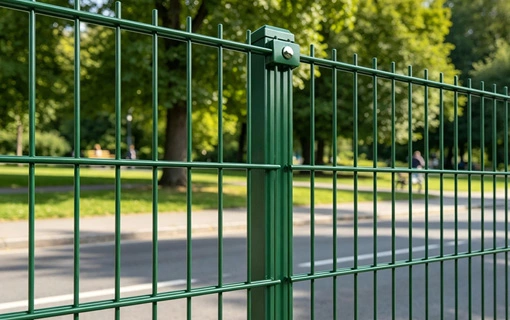
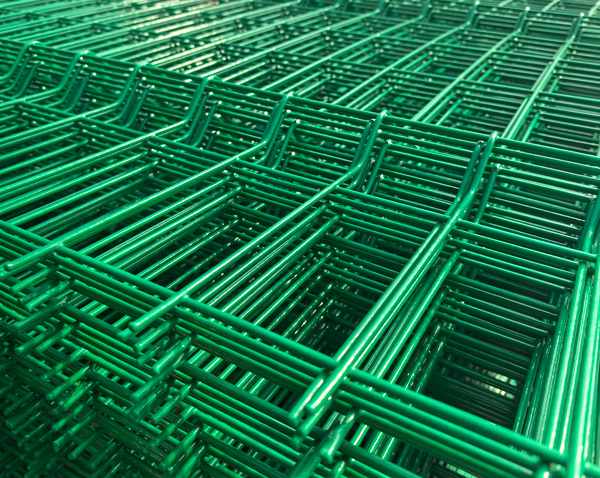
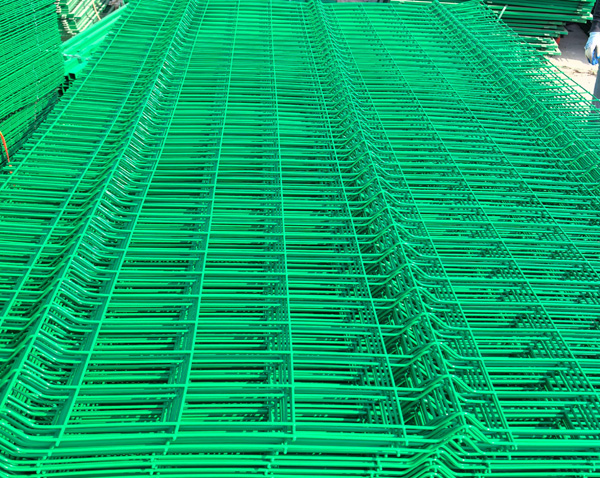
The 868 fence, named after its mesh size (8mm x 68mm), is a popular choice for both residential and commercial properties due to its robust construction and versatile design. The 868 fence is typically made from high-quality steel, which provides excellent strength and resistance to corrosion. It is also available in various heights, allowing it to be tailored to specific security needs. When evaluating 868 fences, it's essential to consider the following specifications:
- Mesh Size: The 8mm x 68mm mesh size is ideal for providing a secure barrier while still allowing visibility. This balance is crucial for maintaining a sense of openness while ensuring privacy and security.
- Material Quality: High-grade steel is the preferred material for 868 fences due to its durability and resistance to environmental factors such as rust and weathering. Look for fences with a galvanized or powder-coated finish to enhance longevity.
- Height Options: 868 fences are available in different heights, typically ranging from 1.2 meters to 2.4 meters. Choose a height that aligns with your security requirements and local regulations.
Assessing Your Property’s Needs
Before selecting an 868 fence, it's crucial to assess the specific needs of your property. Consider the following factors:
- Security Requirements: Determine the level of security needed for your property. If you live in an area with high crime rates or if you have valuable assets to protect, a taller and more robust 868 fence may be necessary.
- Aesthetic Preferences: The 868 fence can complement a variety of architectural styles. Choose a color and design that enhances the overall appearance of your property. Many manufacturers offer a range of colors and finishes to match your aesthetic preferences.
- Budget Constraints: While 868 fences are generally cost-effective, the total cost can vary based on the size of your property, the height of the fence, and any additional features you may want, such as gates or decorative elements. Set a budget and prioritize the most important features within that budget.
Evaluating Installation and Maintenance
Proper installation and maintenance are critical to the long-term performance of your 868 fence. Here are some key points to consider:
- Professional Installation: While DIY installation is possible, professional installation ensures that the fence is set up correctly and securely. A professional installer can also provide valuable advice on the best placement and configuration for your specific property.
- Foundation and Anchoring: The foundation and anchoring of the 868 fence are crucial for stability. Ensure that the posts are set deep enough and anchored properly to withstand wind and other external forces. Concrete footings are often used to provide a solid base for the fence posts.
- Maintenance Tips: Regular maintenance can extend the life of your 868 fence. Inspect the fence periodically for any signs of damage or wear, such as rust, loose fittings, or bent sections. Clean the fence regularly with mild soap and water to remove dirt and debris. For more severe issues, consult a professional for repairs.
Environmental and Safety Considerations
When choosing an 868 fence, it's important to consider both environmental and safety aspects. Here are some key points to keep in mind:
- Environmental Impact: Opt for 868 fences made from sustainable materials and with eco-friendly manufacturing processes. Some manufacturers use recycled steel and energy-efficient production methods to minimize their environmental footprint.
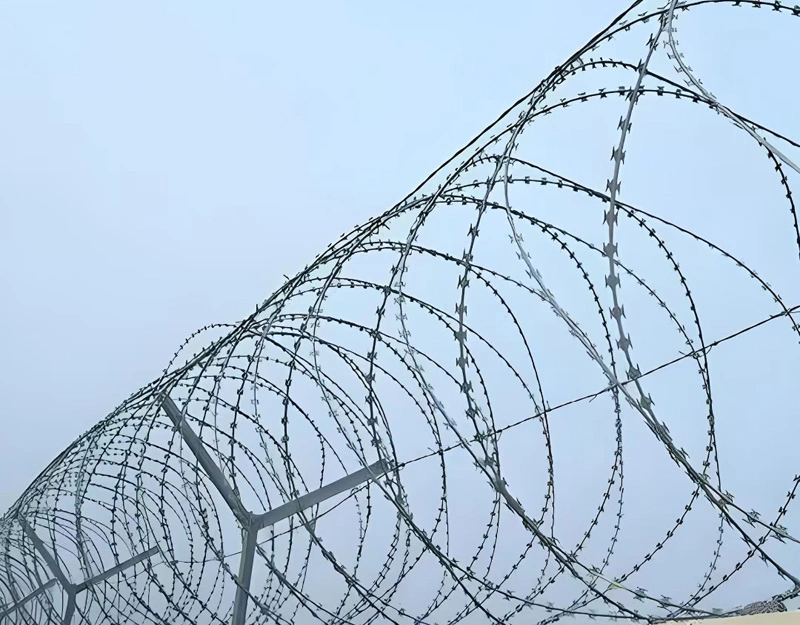
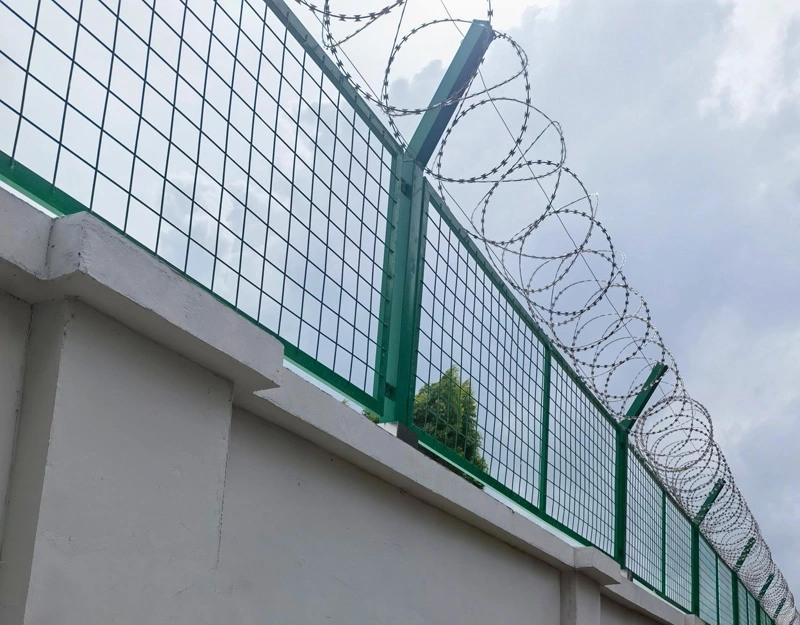
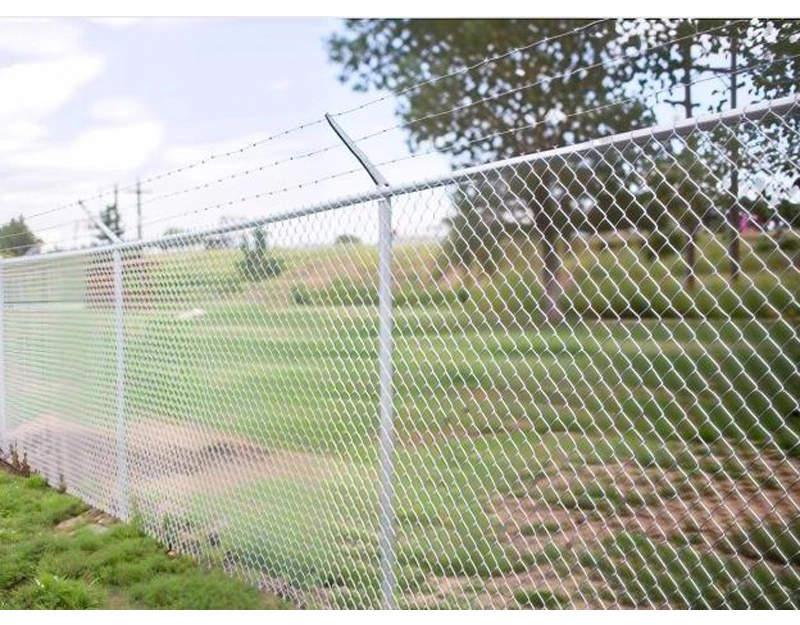
- Safety Features: Ensure that the 868 fence is designed with safety in mind. For example, the top of the fence should be smooth and free of sharp edges to prevent injuries. Additionally, consider adding anti-climb features, such as barbed wire or spikes, if security is a major concern.
- Compliance with Regulations: Check local building codes and regulations to ensure that your 868 fence complies with all requirements. This includes height restrictions, setback requirements, and any specific guidelines for fence materials and designs. Non-compliance can result in fines and the need for costly modifications.
Conclusion
Selecting the right 868 fence for your property involves a careful consideration of various factors, including the fence's specifications, your property's needs, installation and maintenance, and environmental and safety considerations. By taking the time to evaluate these aspects, you can make an informed decision that enhances the security, aesthetics, and value of your property. Remember to consult with professionals and adhere to local regulations to ensure a successful and compliant installation.


 English
 China
China Thailand
 Malaysia
 Vietnam
 Laos
Laos Cambodia
 Pilipinas
 Indonesia
 Russian
 Portuguese
 Arabic
 Japanese
 Spanish
 Italian
 French
 German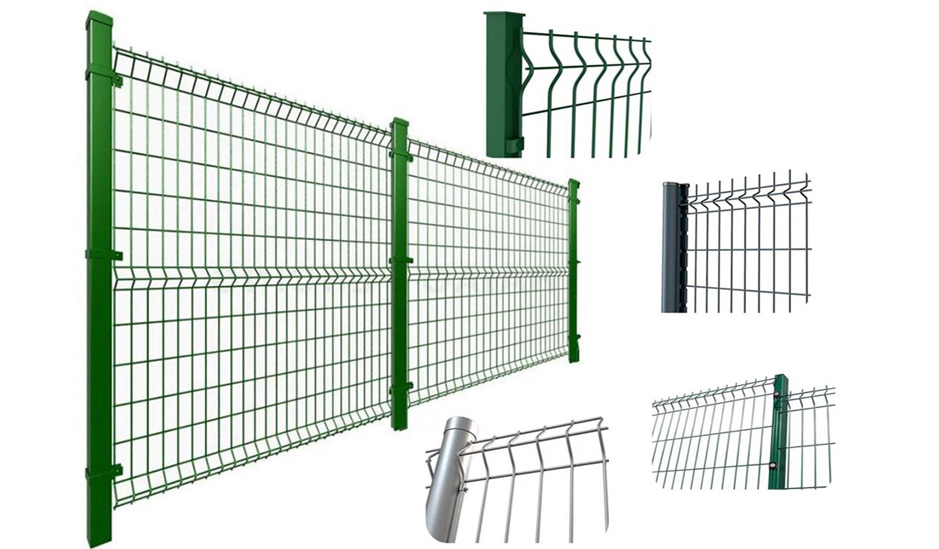
Leave a Reply