

 English
 China
China Thailand
 Malaysia
 Vietnam
 Laos
Laos Cambodia
 Pilipinas
 Indonesia
 Russian
 Portuguese
 Arabic
 Japanese
 Spanish
 Italian
 French
 German
News
- Home
- News
- Company News
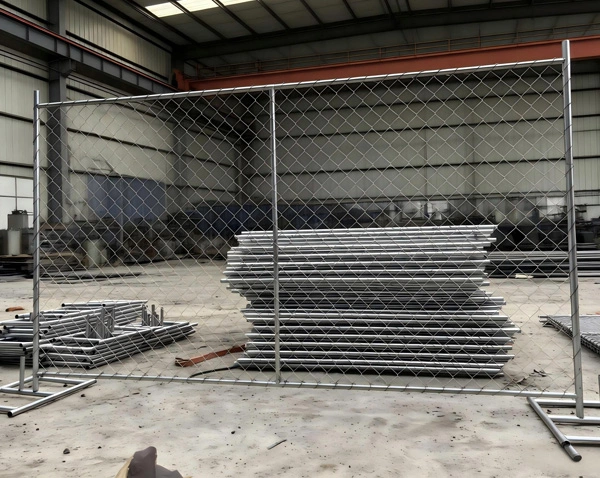
The application of PVC Coated anti climb fence in diverse environmental conditions has sparked significant interest among both industrial and residential users. This report delves into the longevity of PVC coated fences, examining how different climatic factors influence their durability and performance over time. By analyzing specific case studies and empirical data, this document aims to provide a comprehensive overview that can guide future decisions regarding the selection and maintenance of these fencing solutions.
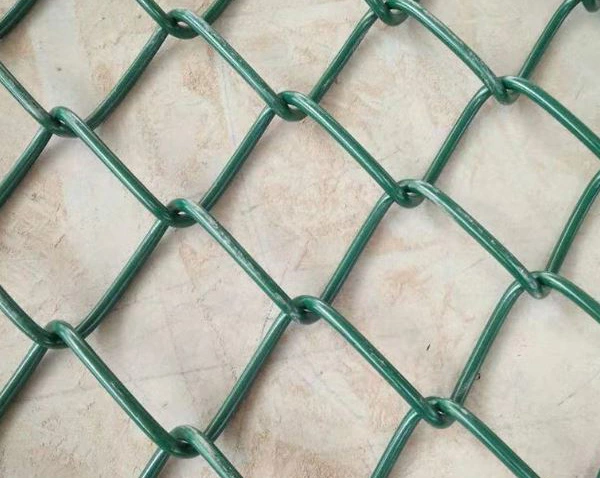
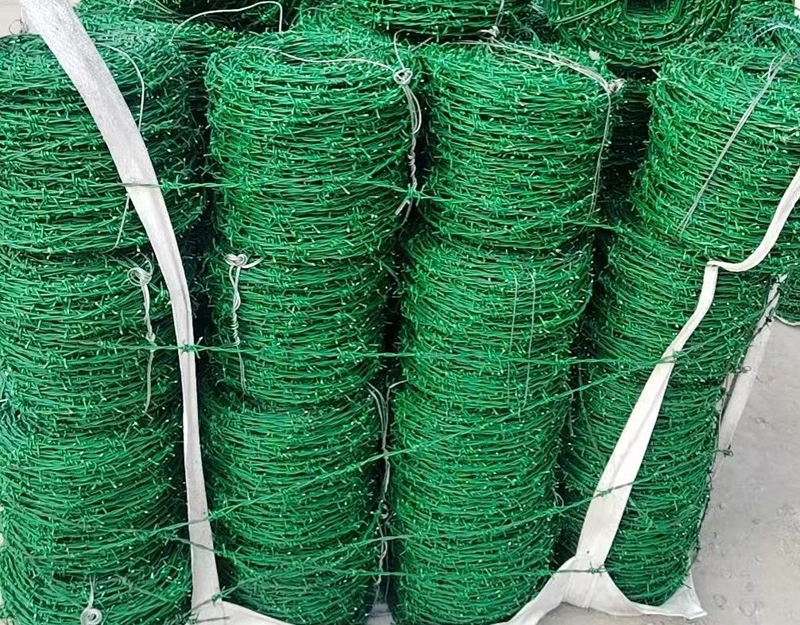
Polyvinyl chloride (PVC) coatings are widely used in the manufacturing of outdoor structures, including fences, due to their protective qualities against corrosion, UV radiation, and weathering. The coating process involves applying a layer of PVC onto the surface of the metal or other base material, which not only enhances its aesthetic appeal but also significantly improves its resistance to environmental degradation. For an anti climb fence, the added benefit of PVC is that it creates a smoother, more difficult-to-grip surface, thereby enhancing security features while maintaining structural integrity.
One of the most critical factors affecting the lifespan of any exterior material, including PVC-coated fences, is exposure to ultraviolet (UV) light. Prolonged exposure to sunlight can cause the PVC coating to degrade, leading to discoloration, brittleness, and eventually, failure. However, advancements in the formulation of PVC compounds have led to the development of UV stabilizers, which when incorporated into the coating, significantly extend the service life of the fence even under intense solar radiation. It's essential for manufacturers to utilize high-quality, UV-resistant PVC materials to ensure that the fence remains effective and visually appealing throughout its intended lifespan.
Moisture and humidity levels vary greatly across different regions, impacting the durability of fencing materials. In areas with high humidity or frequent rainfall, uncoated metal fences are prone to rust and corrosion, reducing their structural integrity and safety. A PVC coated anti climb fence, on the other hand, forms a barrier between the metal and the environment, effectively preventing moisture from reaching the underlying material. This feature is particularly beneficial in coastal areas, where saltwater further accelerates the corrosion process. Studies have shown that properly applied PVC coatings can withstand such harsh conditions, offering years of reliable service without requiring frequent maintenance or replacement.
Extreme temperature changes, common in many parts of the world, pose another challenge to the longevity of outdoor structures. Rapid expansions and contractions caused by heating and cooling cycles can lead to cracks and peeling of the PVC coating if not properly addressed during the manufacturing process. To mitigate these effects, modern PVC formulations often include additives that enhance flexibility and adhesion properties, allowing the coating to better accommodate thermal stresses. Moreover, ensuring that the installation is carried out according to manufacturer guidelines, including proper spacing and anchoring, helps in minimizing the risk of damage from temperature fluctuations.
While the inherent properties of PVC-coated fences contribute significantly to their durability, regular maintenance plays a crucial role in extending their lifespan. Simple practices such as periodic cleaning to remove dirt, debris, and mildew, along with inspections for signs of wear or damage, can help identify potential issues early on. Additionally, addressing minor repairs promptly, like reapplying touch-up coats of PVC paint to scratched or chipped areas, can prevent more extensive deterioration. Educating property owners about the importance of ongoing care and providing them with easy-to-follow maintenance instructions can make a substantial difference in preserving the appearance and functionality of the fence over time.
In conclusion, the effectiveness and longevity of a PVC coated anti climb fence depend on several key factors, including the quality of the PVC material, the climate of the installation location, and the adherence to recommended maintenance routines. By selecting products designed with advanced UV stabilization, moisture resistance, and thermal resilience, combined with diligent upkeep, one can achieve a secure, durable, and aesthetically pleasing boundary solution that stands the test of time across various environmental conditions.
Leave a Reply