

 English
 China
China Thailand
 Malaysia
 Vietnam
 Laos
Laos Cambodia
 Pilipinas
 Indonesia
 Russian
 Portuguese
 Arabic
 Japanese
 Spanish
 Italian
 French
 German
News
- Home
- News
- Company News
Anti-climb fences are a critical component in ensuring the security of various premises, from industrial sites to residential areas. This technical report evaluates the durability and efficiency of anti-climb fences, providing insights into their design, materials, and performance. The report aims to offer a comprehensive understanding of how these fences can be optimized for maximum security and longevity. By analyzing key factors such as material strength, installation methods, and maintenance requirements, this study highlights the best practices for deploying anti-climb fences effectively.
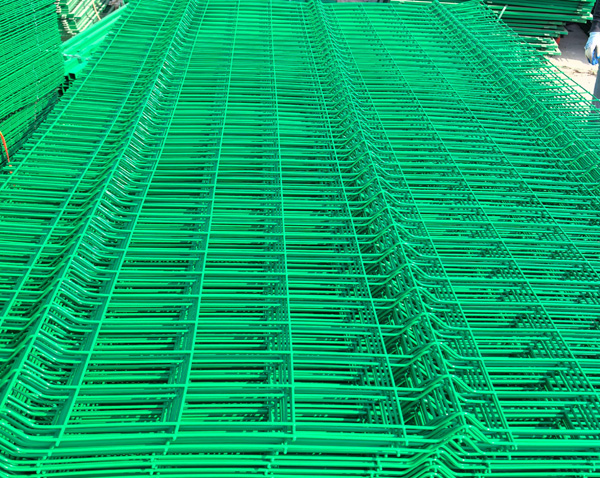
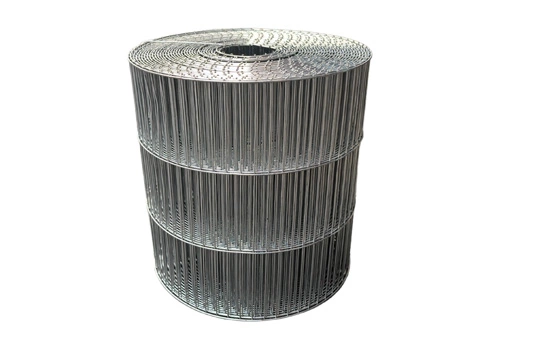
The choice of material is fundamental in determining the durability of an anti-climb fence. Common materials include steel, aluminum, and composite materials. Steel, particularly galvanized or stainless steel, offers high strength and resistance to corrosion, making it a popular choice for high-security applications. Aluminum, while lighter and more resistant to rust, may not provide the same level of physical strength as steel. Composite materials, such as fiberglass, are lightweight and corrosion-resistant but may lack the robustness required for heavy-duty use.
Corrosion is a significant factor affecting the lifespan of anti-climb fences. Galvanized steel and stainless steel are highly resistant to corrosion, ensuring that the fence remains intact and functional over many years. Proper surface treatments, such as powder coating or painting, can further enhance the fence's resistance to environmental factors. Regular maintenance, including cleaning and re-coating, can also extend the fence's life and maintain its aesthetic appeal.
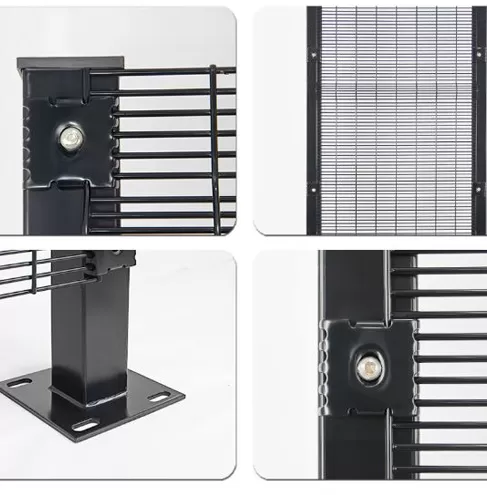
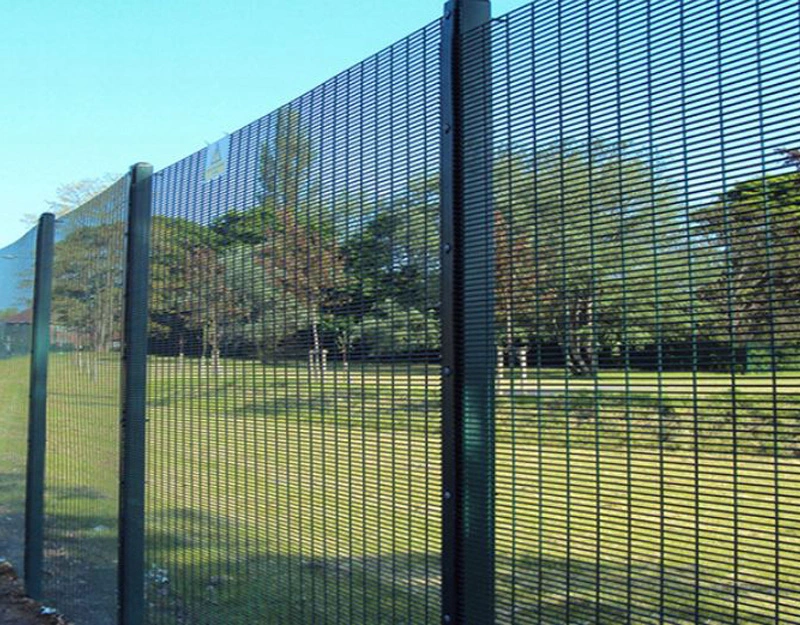
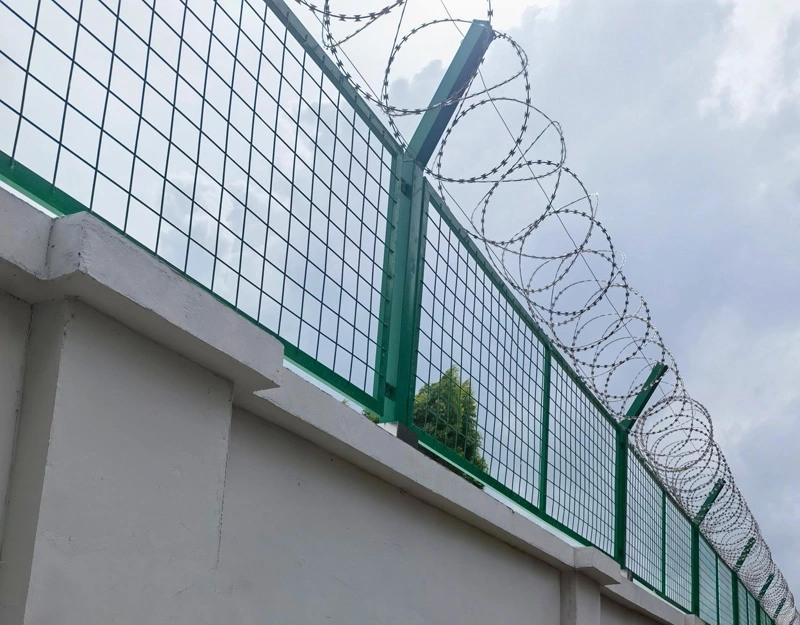
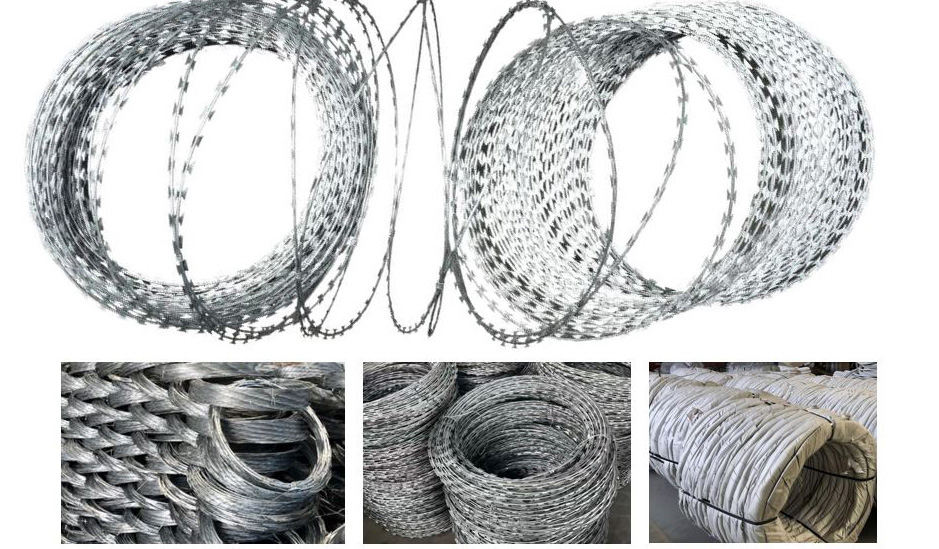
The design of an anti-climb fence plays a crucial role in its effectiveness. Key design elements include the height, spacing between pickets, and the presence of anti-climb features such as spikes or barbs. A minimum height of 1.8 meters is generally recommended to deter climbers. The spacing between pickets should be narrow enough to prevent footholds, typically no more than 100mm. Additionally, incorporating anti-climb features at the top of the fence, such as spikes or barbs, can significantly reduce the likelihood of unauthorized access.
Proper installation is essential for the optimal performance of an anti-climb fence. The fence should be securely anchored to the ground using concrete footings or deep-set posts. The posts should be set at regular intervals, with a maximum spacing of 2.4 meters, to ensure stability and prevent sagging. Gates and other access points should be reinforced and fitted with secure locking mechanisms. Regular inspections and maintenance, including checking for any signs of wear or damage, are necessary to ensure the fence remains effective and safe.
To ensure the long-term durability and efficiency of an anti-climb fence, regular maintenance is essential. This includes inspecting the fence for any signs of damage, such as rust, dents, or loose components. Any issues should be addressed promptly to prevent further deterioration. Cleaning the fence periodically, especially in areas with high exposure to salt or pollutants, can help maintain its appearance and structural integrity. Applying a protective coating, such as paint or a clear sealant, can also protect the fence from environmental damage.
While the initial cost of installing an anti-climb fence may be higher compared to standard fencing, the long-term benefits often justify the investment. High-quality materials and proper installation can result in a fence that requires minimal maintenance and lasts for many years, reducing the need for frequent replacements. Additionally, the enhanced security provided by an anti-climb fence can lead to lower insurance premiums and reduced risk of property damage or theft, offering a significant return on investment. Conducting a cost-benefit analysis can help in making an informed decision about the most cost-effective solution for a specific application.

Leave a Reply