Enhancing Safety with Durable Steel Grating Panels: A Comprehensive Guide
Steel grating panels are an essential component in many industrial, commercial, and residential applications. They provide a durable, safe, and efficient solution for various environments, from walkways and platforms to drainage systems and security barriers. This comprehensive guide will explore the benefits of using Steel Grating Panels, their types, installation methods, and maintenance practices to enhance safety and durability.
Understanding Steel Grating Panels
Steel grating panels are made from high-strength steel bars that are welded or press-locked together to form a grid-like structure. These panels are designed to provide a strong, slip-resistant surface that can support heavy loads and withstand harsh environmental conditions. The primary function of steel grating panels is to create a safe and stable walking surface, but they also serve other purposes such as ventilation, drainage, and security.
The versatility of steel grating panels makes them suitable for a wide range of applications, including:
- Industrial walkways and platforms
- Stair treads and landings
- Drainage covers and trench grates
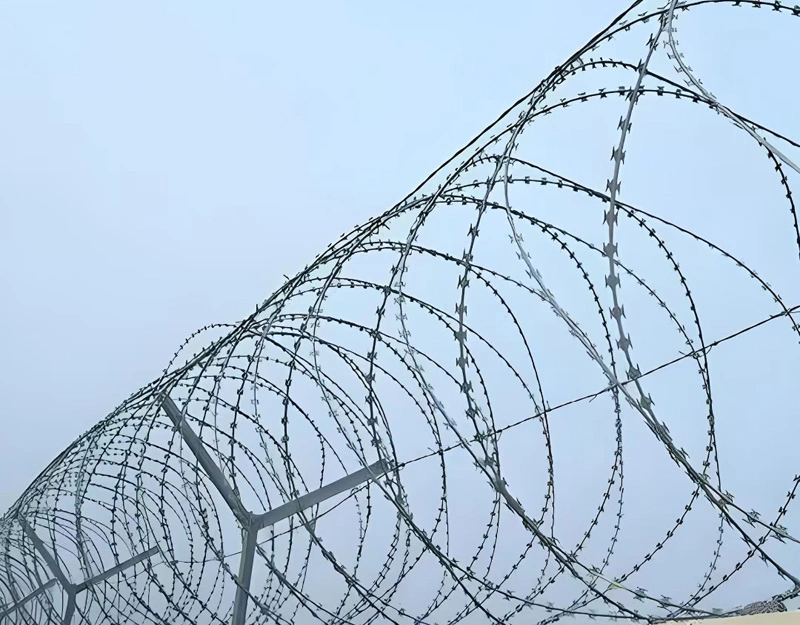
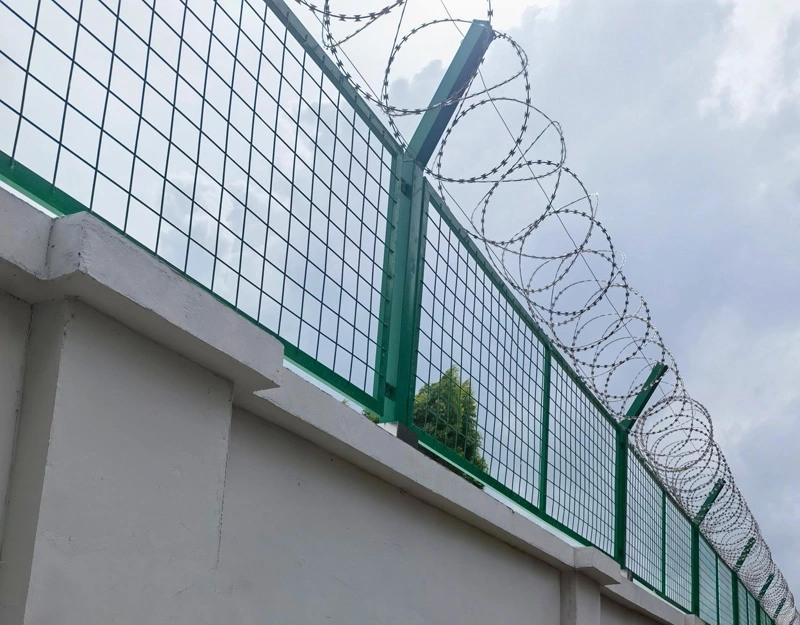
- Security fencing and barriers
- Roof hatches and access points
By understanding the properties and capabilities of steel grating panels, you can make informed decisions about their use in your specific application.
Types of Steel Grating Panels
There are several types of steel grating panels, each with its own unique features and benefits. The most common types include:
- Welded Steel Grating: Welded steel grating is the most popular type, known for its strength and durability. It is made by welding load-bearing bars and cross bars at right angles. This type of grating is ideal for heavy-duty applications and can be customized to meet specific load requirements.
- Press-Locked Steel Grating: Press-locked steel grating, also known as swage-locked grating, is made by pressing the cross bars into the load-bearing bars. This method creates a smooth, flush surface that is easy to clean and maintain. Press-locked grating is commonly used in architectural and decorative applications.
- Fiberglass Grating: While not strictly a steel grating panel, fiberglass grating is often used as an alternative due to its lightweight and corrosion-resistant properties. It is ideal for applications where weight and chemical resistance are critical factors.
- Expanded Metal Grating: Expanded metal grating is created by slitting and stretching a sheet of metal to form a diamond-shaped pattern. This type of grating is highly versatile and can be used in a variety of applications, including flooring, security, and ventilation.
Choosing the right type of steel grating panel depends on the specific requirements of your project, including load capacity, environmental conditions, and aesthetic considerations.
Installation and Maintenance of Steel Grating Panels
Proper installation and maintenance are crucial for ensuring the longevity and performance of steel grating panels. Here are some key considerations for both processes:
Installation
When installing steel grating panels, it is important to follow the manufacturer's guidelines and local building codes. The following steps outline a general installation process:
- Site Preparation: Ensure the installation area is clean, level, and free of debris. If necessary, prepare the foundation or supporting structure to ensure stability.
- Layout and Cutting: Measure and mark the placement of the grating panels. Cut the panels to size if needed, using appropriate tools such as a plasma cutter or angle grinder.
- Placement and Fixing: Place the grating panels in the designated area and secure them using bolts, clips, or other fastening methods. Ensure the panels are properly aligned and level.
- Final Inspection: Conduct a final inspection to ensure all panels are securely fastened and the installation meets safety and quality standards.
Maintenance
Regular maintenance is essential for extending the life of steel grating panels and ensuring their continued performance. Some key maintenance practices include:
- Cleaning: Regularly clean the grating panels to remove dirt, debris, and corrosive substances. Use a mild detergent and water, or a pressure washer for more stubborn buildup.
- Inspection: Periodically inspect the grating panels for signs of wear, damage, or corrosion. Address any issues promptly to prevent further deterioration.
- Repainting and Coating: If the grating panels are exposed to harsh environmental conditions, consider applying a protective coating or repainting them to prevent rust and corrosion.
- Replacement of Damaged Panels: Replace any damaged or worn-out panels to maintain the integrity and safety of the installation.
By following these installation and maintenance guidelines, you can ensure that your steel grating panels remain safe, durable, and functional for years to come.
Safety Considerations for Steel Grating Panels
Safety is a top priority when using steel grating panels. Here are some key safety considerations to keep in mind:
- Load Capacity: Always ensure that the steel grating panels are capable of supporting the intended load. Refer to the manufacturer's specifications and consult with a structural engineer if necessary.
- Slip Resistance: Choose grating panels with a slip-resistant surface to minimize the risk of slips and falls. Textured or serrated surfaces can provide additional traction.
- Edge Protection: Install edge protection, such as handrails and toe boards, to prevent falls from elevated platforms and walkways.
- Clearance and Accessibility: Ensure that the grating panels provide adequate clearance for foot traffic and equipment. Avoid creating tripping hazards or obstructing access routes.
- Regulatory Compliance: Adhere to local building codes and safety regulations. Consult with relevant authorities to ensure that your installation complies with all applicable standards.
By addressing these safety considerations, you can create a safer and more secure environment for workers and users.
Environmental and Sustainability Benefits of Steel Grating Panels
Steel grating panels offer several environmental and sustainability benefits, making them a preferred choice for eco-conscious projects. Some of these benefits include:
- Recyclability: Steel is one of the most recycled materials in the world. At the end of their service life, steel grating panels can be fully recycled, reducing waste and conserving resources.
- Longevity: Steel grating panels are highly durable and can last for decades with proper maintenance. This longevity reduces the need for frequent replacements and minimizes the overall environmental impact.
- Energy Efficiency: Steel grating panels can improve energy efficiency by providing natural ventilation and reducing the need for artificial lighting. This can lead to lower energy consumption and reduced greenhouse gas emissions.
- Low Maintenance: Steel grating panels require minimal maintenance, which reduces the need for cleaning agents and other chemicals. This can help to minimize the release of harmful substances into the environment.
By choosing steel grating panels, you can contribute to a more sustainable and environmentally friendly construction practice.
Conclusion
Steel grating panels are a versatile and durable solution for a wide range of applications. By understanding their types, installation methods, and maintenance practices, you can enhance safety and longevity in your projects. Additionally, the environmental and sustainability benefits of steel grating panels make them a responsible choice for modern construction. Whether you are working on an industrial, commercial, or residential project, steel grating panels can provide a reliable and efficient solution for your needs.


 English
 China
China Thailand
 Malaysia
 Vietnam
 Laos
Laos Cambodia
 Pilipinas
 Indonesia
 Russian
 Portuguese
 Arabic
 Japanese
 Spanish
 Italian
 French
 German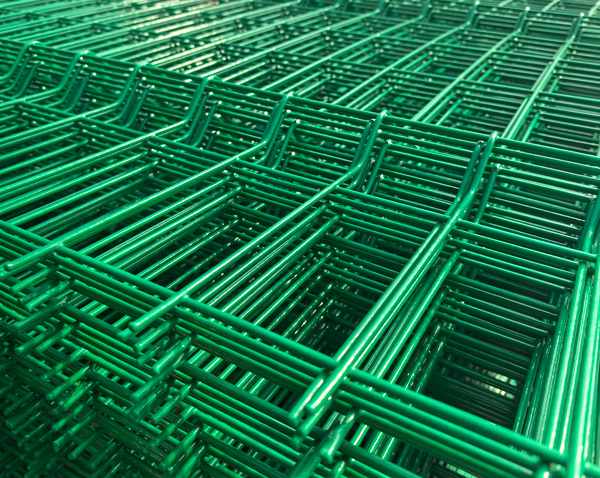
Leave a Reply