

 English
 China
China Thailand
 Malaysia
 Vietnam
 Laos
Laos Cambodia
 Pilipinas
 Indonesia
 Russian
 Portuguese
 Arabic
 Japanese
 Spanish
 Italian
 French
 German
News
- Home
- News
- Company News
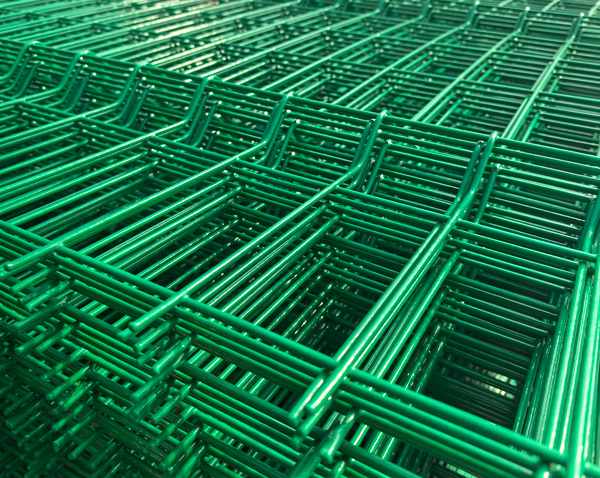
Steel grating panels have become a staple in the industrial sector, offering robust and versatile solutions for a wide range of applications. Made in China, these high-quality fence panels are designed to meet the stringent demands of industrial environments. This report delves into the various aspects of Steel Grating Panels, highlighting their durability, versatility, and cost-effectiveness. By exploring the manufacturing process, material properties, and application areas, this document aims to provide a comprehensive understanding of why steel grating panels are an ideal choice for industrial fencing.
The production of steel grating panels involves advanced manufacturing techniques that ensure the highest quality standards. These techniques include precision cutting, welding, and galvanization, which not only enhance the structural integrity of the panels but also improve their resistance to corrosion and wear. The use of automated machinery and strict quality control measures ensures that each panel meets the required specifications, making them suitable for even the most demanding industrial environments.
Quality control is a critical aspect of the manufacturing process. Steel grating panels undergo rigorous testing at every stage of production to ensure they meet international standards. This includes load-bearing tests, corrosion resistance tests, and dimensional accuracy checks. By adhering to these stringent quality control measures, manufacturers in China can guarantee that their products are reliable and long-lasting, providing customers with peace of mind.
Steel grating panels are typically made from high-strength steel alloys, which offer superior mechanical properties. These alloys are chosen for their excellent tensile strength, impact resistance, and fatigue resistance. The use of such materials ensures that the panels can withstand heavy loads and harsh environmental conditions, making them ideal for industrial applications. Additionally, the high-strength steel alloys used in the manufacturing process contribute to the overall longevity of the panels, reducing the need for frequent replacements.
One of the key advantages of steel grating panels is their exceptional corrosion resistance. The panels are often coated with a protective layer of zinc through a process known as galvanization. This coating forms a barrier that prevents moisture and other corrosive agents from coming into contact with the underlying steel, thereby extending the life of the panels. Regular maintenance, such as cleaning and re-coating, can further enhance the durability of the panels, ensuring they remain in optimal condition for years to come.
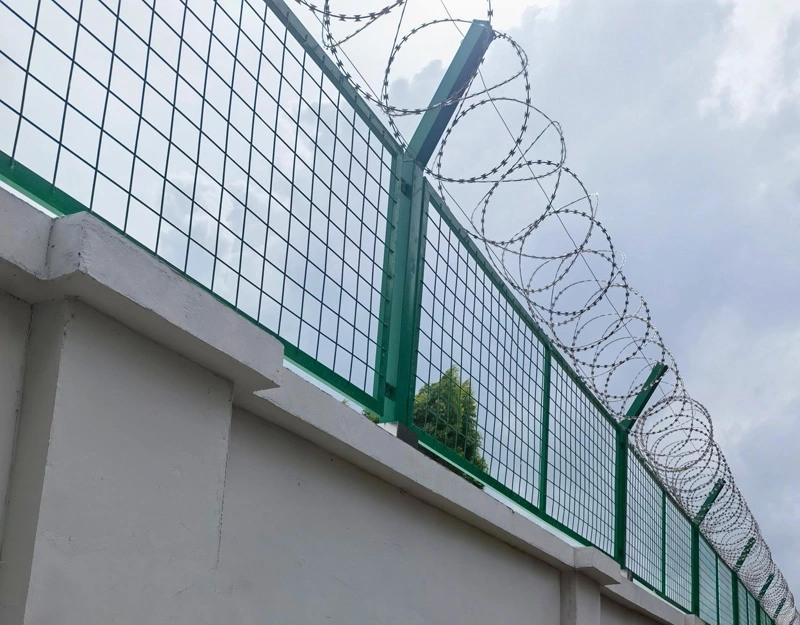
Steel grating panels are highly versatile and can be used in a variety of industrial settings. They are commonly employed in walkways, platforms, stair treads, and fencing, providing a safe and secure environment for workers. The modular design of these panels allows for easy installation and customization, making them suitable for both new construction projects and retrofits. Their adaptability to different environments and applications makes them a preferred choice for many industrial facilities.
From a cost perspective, steel grating panels offer significant economic benefits. The initial investment may be higher compared to other materials, but the long-term savings are substantial. The durability and low maintenance requirements of these panels result in reduced operational costs over time. Additionally, the ease of installation and the ability to reuse the panels in different configurations can further lower the total cost of ownership. For industrial facilities looking to maximize their return on investment, steel grating panels are a cost-effective and sustainable solution.
This HTML content provides a detailed technical report on steel grating panels, covering their manufacturing process, material properties, and versatility, while emphasizing their high quality and suitability for industrial applications.

Leave a Reply