

 English
 China
China Thailand
 Malaysia
 Vietnam
 Laos
Laos Cambodia
 Pilipinas
 Indonesia
 Russian
 Portuguese
 Arabic
 Japanese
 Spanish
 Italian
 French
 German
News
- Home
- News
- Company News
The selection of the appropriate galvanized wire grid system is a critical decision for many construction, agricultural, and industrial applications. This choice not only affects the durability and safety of the project but also its overall cost-effectiveness. In this technical report, we will explore key considerations to guide you in choosing the right galvanized wire for your specific needs. We'll discuss factors such as material quality, wire gauge, corrosion resistance, and application-specific requirements.
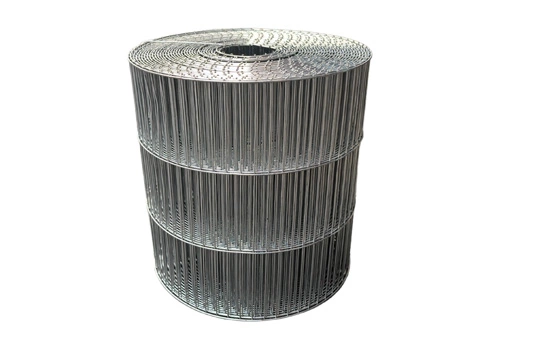
Galvanized wire is Steel Wire that has been coated with zinc to prevent rust and corrosion. The zinc coating acts as a sacrificial anode, meaning it corrodes first, thus protecting the underlying steel. There are two primary methods of galvanization: hot-dip galvanizing and electro-galvanizing. Hot-dip galvanizing involves dipping the wire into molten zinc, while electro-galvanizing uses an electric current to deposit a layer of zinc onto the wire. Each method has its advantages and is suitable for different applications.
Hot-dip galvanized wire typically offers a thicker and more durable zinc coating, making it ideal for outdoor and high-corrosion environments. Electro-galvanized wire, on the other hand, provides a smoother and more uniform finish, which is preferable for aesthetic or indoor applications. Understanding these differences is crucial when selecting the right galvanized wire for your grid system.
The quality of the galvanized wire is paramount to the performance and longevity of the grid system. High-quality wire should meet industry standards, such as ASTM (American Society for Testing and Materials) or ISO (International Organization for Standardization) specifications. These standards ensure that the wire has the correct tensile strength, elongation, and zinc coating thickness.
When evaluating material quality, consider the following:
Ensure that the galvanized wire you choose meets or exceeds these standards to guarantee the best possible performance and durability.
The wire gauge, or diameter, is another critical factor in choosing the right galvanized wire for your grid system. The gauge determines the wire's strength, flexibility, and suitability for specific applications. Thicker wires (lower gauge numbers) are stronger and more rigid, while thinner wires (higher gauge numbers) are more flexible but may be less robust.
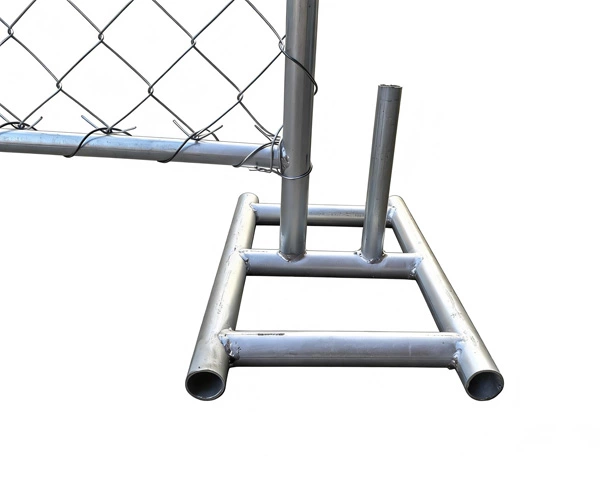
For heavy-duty applications, such as fencing, structural support, or load-bearing systems, a lower gauge wire (e.g., 9-14 gauge) is recommended. These wires can withstand significant stress and are less likely to deform or break. For lighter applications, such as poultry netting, garden trellises, or temporary barriers, a higher gauge wire (e.g., 16-22 gauge) may be sufficient. It is essential to balance the wire's strength with its intended use to ensure both functionality and cost-effectiveness.
Corrosion resistance is a key consideration when selecting a galvanized wire grid system, especially for outdoor or corrosive environments. The environment in which the wire will be used significantly impacts its lifespan and performance. Factors such as humidity, temperature, and exposure to chemicals or saltwater can accelerate corrosion.
To enhance corrosion resistance, consider the following:
By carefully considering these factors, you can select a galvanized wire that will withstand the environmental conditions and provide reliable performance throughout its service life.
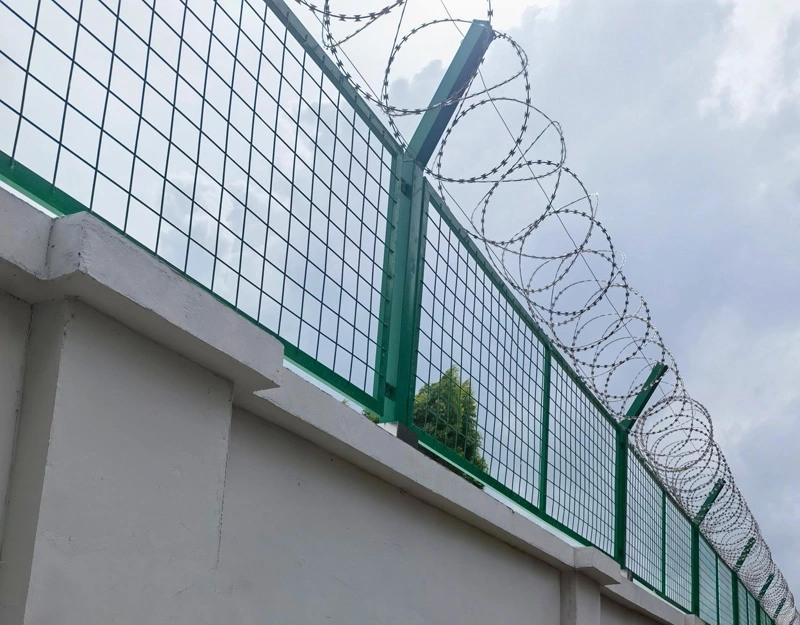
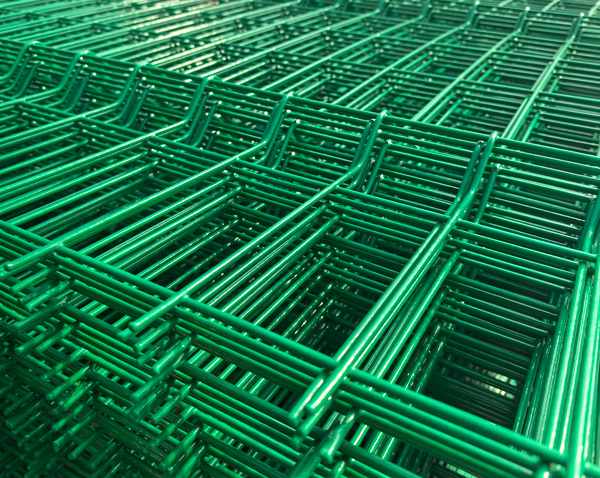
Every project has unique requirements, and the galvanized wire grid system must be tailored to meet those needs. Application-specific requirements include the size and shape of the grid, the type of connection or fastening, and any additional features such as anti-climb designs or decorative elements.
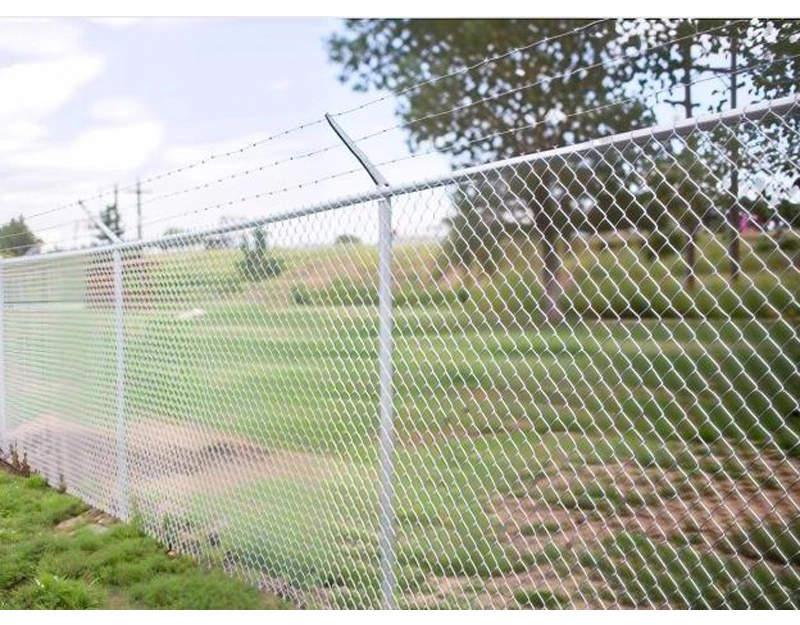
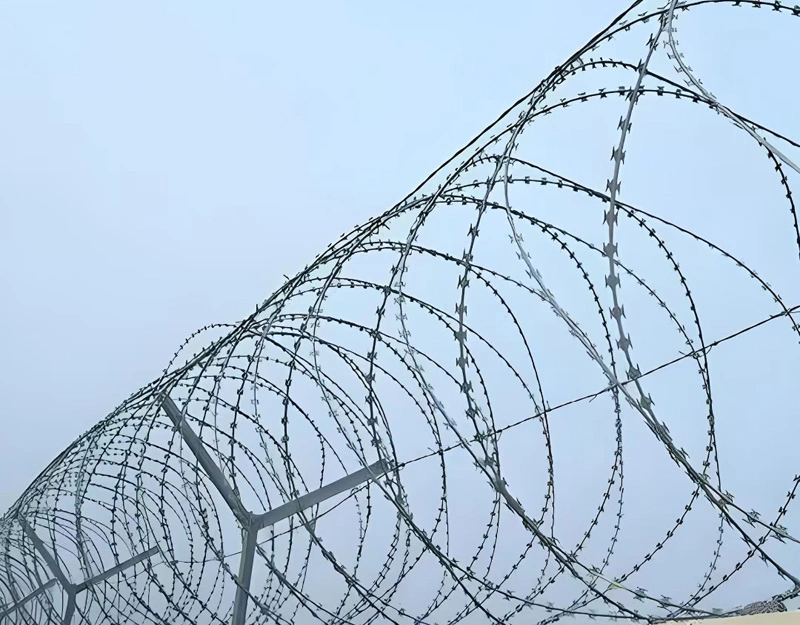
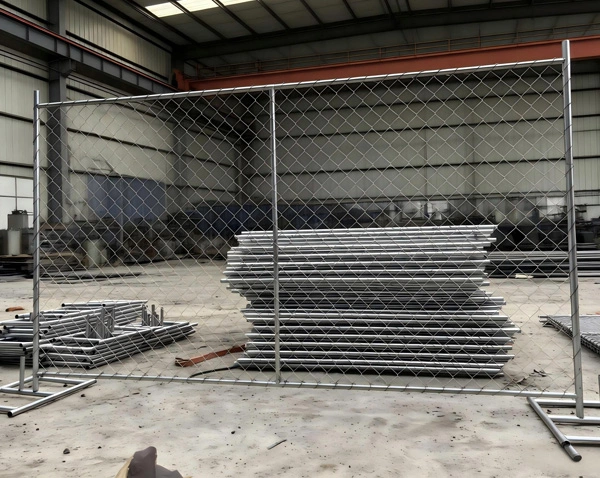
For example, in agricultural applications, the wire grid may need to be designed to prevent animals from escaping or to support climbing plants. In industrial settings, the grid may need to be strong enough to support heavy loads or to serve as a safety barrier. Customization options, such as different mesh sizes, wire spacing, and attachment methods, can help you create a grid system that is perfectly suited to your specific application.
Consult with manufacturers or suppliers to discuss your project's requirements and explore customization options. They can provide valuable insights and recommendations to ensure that the galvanized wire grid system meets your needs and performs optimally.
In conclusion, choosing the right galvanized wire for your grid system requires a thorough understanding of the material, its properties, and the specific demands of your application. By considering factors such as material quality, wire gauge, corrosion resistance, and application-specific requirements, you can make an informed decision that ensures the durability, safety, and cost-effectiveness of your project. Whether you are building a fence, a support structure, or a custom grid system, the right galvanized wire will play a crucial role in the success of your endeavor.
Leave a Reply