

 English
 China
China Thailand
 Malaysia
 Vietnam
 Laos
Laos Cambodia
 Pilipinas
 Indonesia
 Russian
 Portuguese
 Arabic
 Japanese
 Spanish
 Italian
 French
 German
News
- Home
- News
- Company News
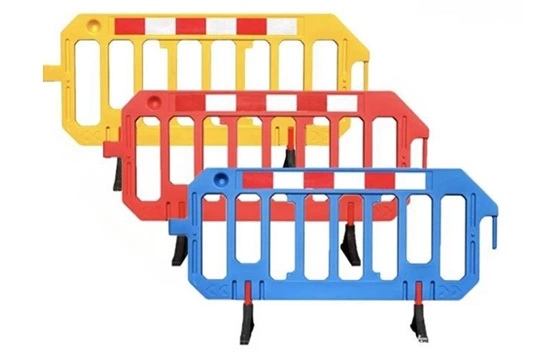
With the increasing complexity of urban environments, there is a growing need for effective traffic management solutions. One area that has seen significant advancements in recent years is the development of plastic traffic barriers. These barriers not only serve to enhance safety but also contribute to more efficient traffic flow. This report explores the latest developments in plastic barrier technology, focusing on how these innovations are improving traffic guidance and overall road safety.
The core of any effective traffic barrier lies in its material composition. Traditional materials such as concrete and metal have long been used, but they come with their own set of limitations. Concrete barriers, while durable, can be cumbersome and difficult to deploy or relocate. Metal barriers, on the other hand, are susceptible to corrosion and can pose a higher risk of injury during collisions. In contrast, modern plastic traffic barriers offer a unique combination of durability and flexibility, making them an ideal solution for a wide range of applications.
Recent advancements in polymer science have led to the creation of high-performance plastics that are both lightweight and robust. These materials can withstand the rigors of outdoor use, including exposure to UV radiation, extreme temperatures, and physical impacts. Additionally, the flexibility of plastic allows for the design of barriers that can deform upon impact, absorbing energy and reducing the severity of collisions. This not only enhances safety for motorists but also minimizes damage to the barriers themselves, leading to lower maintenance costs and longer service life.
Another key aspect of modern plastic traffic barriers is their modular design. Unlike traditional barriers, which are often fixed and inflexible, plastic barriers can be easily assembled, disassembled, and reconfigured to meet the specific needs of different traffic scenarios. This modularity is particularly valuable in urban settings where traffic patterns can change rapidly, and temporary barriers are frequently required for events, construction sites, or emergency situations.
Modular plastic barriers typically consist of interlocking sections that can be connected in various configurations. This allows for the creation of straight lines, curves, and even complex shapes, providing greater control over traffic flow. The ease with which these barriers can be deployed and removed also makes them highly cost-effective, as they can be reused multiple times without the need for extensive setup or teardown processes. Furthermore, the lightweight nature of plastic means that fewer resources are required for transportation and installation, further reducing operational costs.
In the age of smart cities, the integration of advanced technologies into traffic management systems is becoming increasingly important. Plastic traffic barriers are no exception, and many manufacturers are now incorporating sensors, lights, and communication systems into their designs. These smart features enable real-time monitoring of traffic conditions, automatic adjustments to barrier placement, and enhanced visibility for drivers, pedestrians, and cyclists.
For example, some plastic barriers are equipped with LED lights that can be programmed to change color or flash in response to specific traffic conditions. This can help to alert drivers to potential hazards, such as upcoming roadworks or changes in lane configurations. Additionally, integrated sensors can detect the presence of vehicles, pedestrians, or obstacles, and trigger appropriate responses, such as activating warning lights or sending alerts to traffic management centers. This level of automation and real-time data analysis can significantly improve the efficiency and safety of traffic guidance systems.
Moreover, the integration of communication systems allows for remote monitoring and control of plastic barriers. Traffic managers can use mobile apps or web-based platforms to adjust barrier positions, monitor traffic flow, and receive notifications about potential issues. This not only streamlines the management process but also enables faster response times to changing traffic conditions, ultimately leading to safer and more efficient roadways.
As the world becomes more environmentally conscious, there is a growing demand for sustainable solutions in all aspects of urban development, including traffic management. Plastic traffic barriers are at the forefront of this trend, with many manufacturers now focusing on eco-friendly materials and production processes. For instance, some companies are using recycled plastics to create barriers, reducing the amount of waste in landfills and minimizing the environmental impact of production.
Recycled plastic barriers not only offer the same performance benefits as those made from virgin materials but also contribute to a circular economy by repurposing waste. Additionally, the manufacturing process for recycled plastic barriers typically requires less energy and generates fewer emissions compared to traditional materials. This makes them a more sustainable choice for cities and organizations looking to reduce their carbon footprint.
Furthermore, the longevity and reusability of plastic barriers contribute to their sustainability. As mentioned earlier, these barriers are designed to withstand harsh conditions and can be easily repaired or replaced when necessary. This reduces the need for frequent replacements and minimizes the overall environmental impact of traffic management systems. By adopting eco-friendly plastic barriers, cities can demonstrate their commitment to sustainable development and set a positive example for future generations.
The advancements in plastic traffic barrier technology have significantly improved traffic guidance and safety in urban environments. The use of innovative materials, modular design, integration with smart technologies, and eco-friendly solutions are all contributing to the development of more efficient and sustainable traffic management systems. As cities continue to grow and evolve, the role of plastic barriers in enhancing road safety and traffic flow will become increasingly important. By embracing these advancements, we can create safer, more efficient, and more sustainable urban landscapes for the future.

Leave a Reply