

 English
 China
China Thailand
 Malaysia
 Vietnam
 Laos
Laos Cambodia
 Pilipinas
 Indonesia
 Russian
 Portuguese
 Arabic
 Japanese
 Spanish
 Italian
 French
 German
News
- Home
- News
- Company News
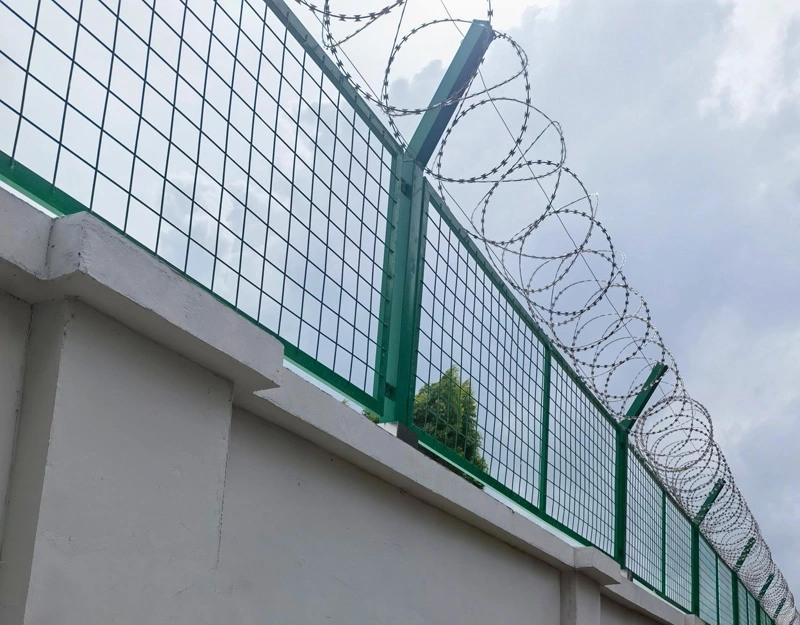
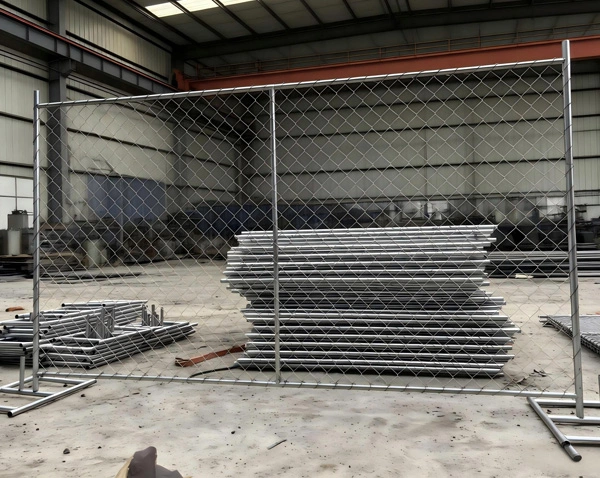
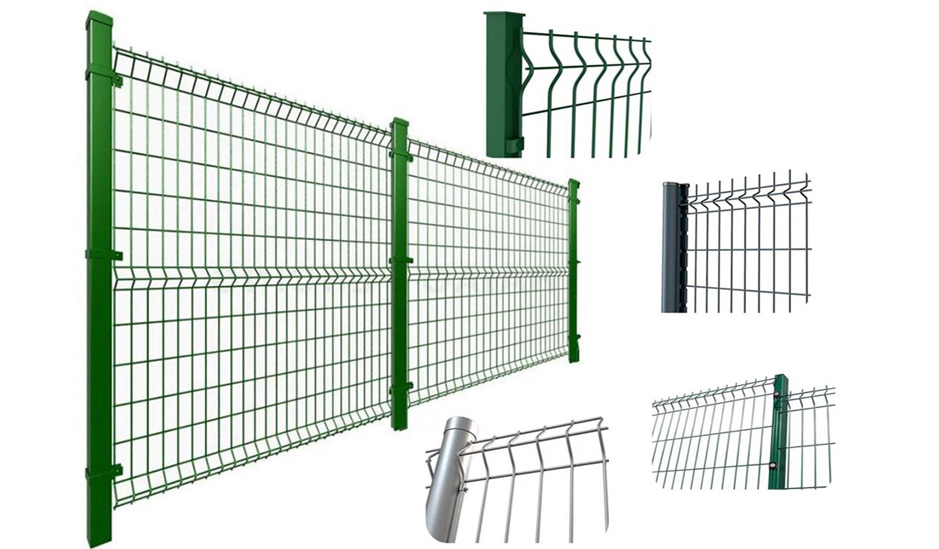
Industrial wire mesh barriers, also known as industrial wire mesh fencing, play a crucial role in enhancing security and safety in various industrial settings. These barriers are designed to provide a robust and durable solution for protecting property, personnel, and assets. The primary purpose of an industrial wire mesh barrier is to create a physical boundary that deters unauthorized access while allowing visibility and airflow. This section will delve into the key benefits of using industrial wire mesh barriers and their applications in different industries.
One of the most significant advantages of industrial wire mesh barriers is their versatility. They can be installed in a wide range of environments, from manufacturing plants and construction sites to warehouses and storage facilities. The open design of the wire mesh allows for clear visibility, making it easier to monitor activities within the fenced area. Additionally, the mesh structure provides excellent ventilation, which is particularly important in areas where hazardous materials are stored or where there is a need to prevent the buildup of fumes or gases.
Another benefit of industrial wire mesh barriers is their durability. Made from high-quality steel, these barriers are resistant to corrosion, rust, and weathering. This makes them ideal for both indoor and outdoor use, ensuring that they remain effective and reliable over time. Furthermore, the strength of the wire mesh makes it difficult for intruders to breach, providing an additional layer of security.
Installing industrial wire mesh fencing requires careful planning and execution to ensure that the fence is both secure and functional. This section will provide a step-by-step guide to help you install your industrial wire mesh fencing effectively.
Step 1: Site Preparation
Before installation, it is essential to prepare the site properly. Start by clearing the area of any debris, vegetation, or obstacles that may interfere with the installation process. Mark the perimeter where the fence will be installed using stakes and string. Ensure that the marked line is straight and follows the desired layout of the fence.
Step 2: Setting the Posts
The next step is to set the posts. Use a post hole digger to create holes at the marked intervals. The depth and diameter of the holes should be sufficient to support the posts securely. Place the posts in the holes and ensure they are plumb and level. Fill the holes with concrete or compacted gravel to secure the posts in place. Allow the concrete to cure according to the manufacturer's instructions before proceeding.
Step 3: Attaching the Wire Mesh
Once the posts are set, it is time to attach the wire mesh. Unroll the mesh along the fence line, ensuring it is taut and aligned with the posts. Use wire ties or clips to secure the mesh to the posts. Make sure the mesh is evenly spaced and free of any kinks or wrinkles. If necessary, cut the mesh to fit around corners or obstacles using wire cutters.
Step 4: Finishing Touches
After attaching the wire mesh, add any finishing touches such as gates, top rails, or additional security features. Ensure that all components are securely fastened and that the fence is stable and free of any loose parts. Inspect the fence thoroughly to ensure it meets all safety and security requirements.
Proper maintenance is essential to ensure the longevity and effectiveness of industrial wire mesh barriers. Regular inspections and timely repairs can help prevent minor issues from becoming major problems. This section will cover the key aspects of maintaining industrial wire mesh fencing.
Regular Inspections
Conduct regular inspections of the fence to identify any signs of wear, damage, or corrosion. Pay particular attention to the posts, mesh, and fasteners. Look for any loose or missing parts, rust, or other signs of deterioration. Address any issues promptly to prevent further damage.
Cleaning and Maintenance
Keep the fence clean and free of debris. Use a soft brush or cloth to remove dirt, dust, and other contaminants. For more stubborn stains, use a mild detergent and water. Avoid using harsh chemicals or abrasive materials that could damage the wire mesh. In areas prone to rust, apply a protective coating or paint to the metal surfaces to prevent corrosion.
Repair and Replacement
If any parts of the fence are damaged or worn, replace them immediately. This includes replacing broken posts, repairing or replacing damaged sections of the mesh, and tightening or replacing loose fasteners. Regular maintenance and timely repairs will help extend the life of the fence and ensure it continues to provide the necessary security and protection.
Leave a Reply