

 English
 China
China Thailand
 Malaysia
 Vietnam
 Laos
Laos Cambodia
 Pilipinas
 Indonesia
 Russian
 Portuguese
 Arabic
 Japanese
 Spanish
 Italian
 French
 German
News
- Home
- News
- Company News
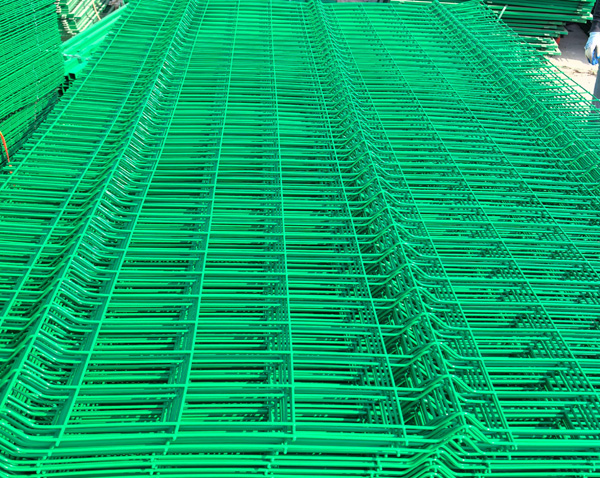
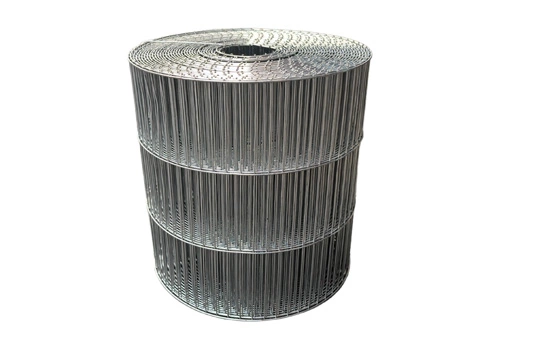
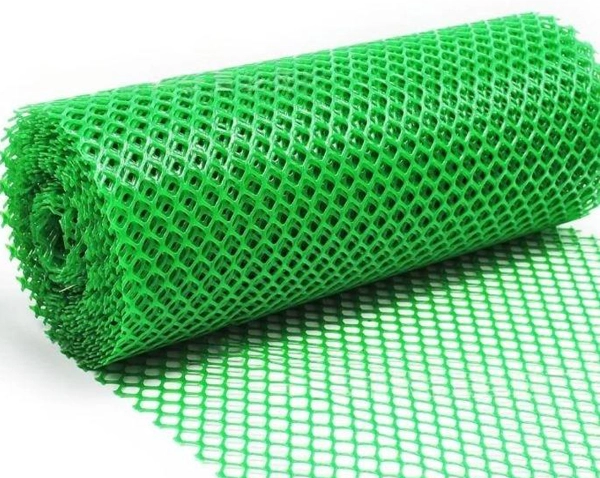
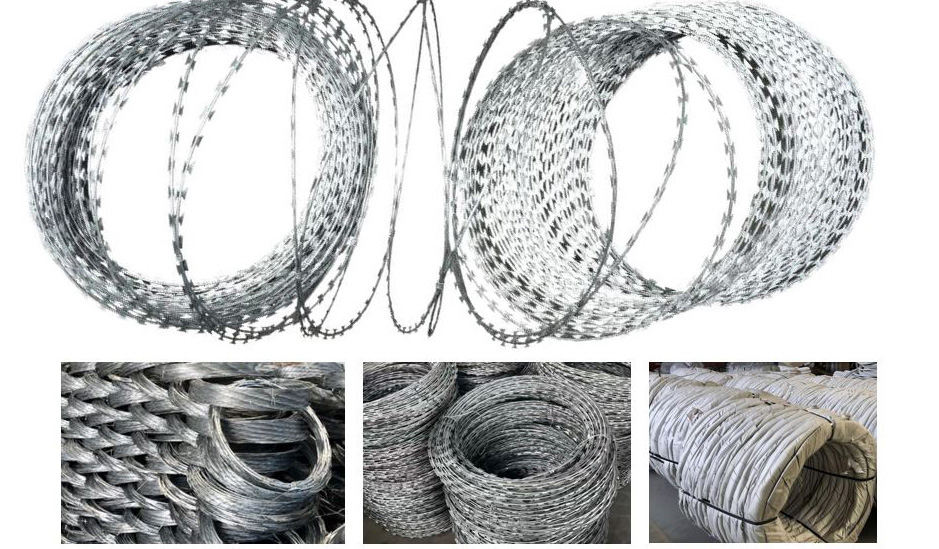
When it comes to importing metal fences, China has emerged as a leading Metal fencing supplier in China. This comprehensive guide provides an in-depth look at the process of sourcing and importing metal fences from Chinese suppliers. It covers everything from identifying reliable suppliers and understanding quality standards to navigating logistics and customs regulations. Whether you are a first-time importer or looking to expand your current supply chain, this guide offers valuable insights into making informed decisions that can help streamline your operations and ensure the successful importation of high-quality metal fences.
The metal fencing industry in China has seen significant growth over the past decade, driven by both domestic and international demand. The expansion of urban areas and the increasing need for security and privacy have contributed to the rise of this sector. Chinese manufacturers have responded to these demands by investing in advanced technologies and materials, which has led to the production of high-quality and durable metal fences.
Several key players dominate the Chinese metal fencing market, including established companies and emerging enterprises. These suppliers offer a wide range of products, from traditional wrought iron fences to modern aluminum and steel options. Understanding the strengths and weaknesses of these key players is crucial for importers looking to make informed decisions.
Chinese metal fencing suppliers adhere to various quality standards and certifications, both domestic and international. Familiarizing yourself with these standards, such as ISO 9001 and ASTM, can help ensure that the products you import meet the required specifications. Additionally, some suppliers may also offer custom solutions to meet specific project requirements.
The first step in importing metal fences from China is to research and shortlist potential suppliers. Utilize online platforms like Alibaba, Global Sources, and Made-in-China to find reputable suppliers. Pay attention to factors such as product range, customer reviews, and the supplier's experience in the industry. A thorough initial search can save time and resources in the long run.
Once you have a list of potential suppliers, it’s essential to conduct due diligence. This includes verifying the supplier’s credentials, checking their business registration, and reviewing any relevant certifications. You can also request references and samples to assess the quality of their products. Engaging with multiple suppliers allows you to compare offerings and negotiate better terms.
Effective communication is key when working with Chinese suppliers. Ensure that you have a clear and concise communication plan, using tools like email, instant messaging, and video calls. Clearly outline your requirements, including product specifications, order quantities, and delivery timelines. Regular updates and transparent communication can help build a strong and reliable business relationship.
There are several shipping options available when importing metal fences from China, including sea freight, air freight, and land transport. Each method has its advantages and disadvantages, such as cost, transit time, and environmental impact. Evaluate your specific needs and budget to choose the most suitable shipping option. Working with a reliable freight forwarder can also simplify the process and provide additional support.
Compliance with customs regulations is crucial to avoid delays and penalties. Familiarize yourself with the import regulations of your destination country, including duties, taxes, and documentation requirements. Accurate and complete documentation, such as commercial invoices, packing lists, and certificates of origin, is essential. Consider consulting with a customs broker to navigate the complexities of international trade.
To ensure the quality of the imported metal fences, it’s important to implement a robust quality control process. This can include pre-shipment inspections, where a third-party inspector checks the products before they leave the supplier’s facility. Additionally, conducting in-house inspections upon arrival can help identify and address any issues promptly. Investing in quality control measures can prevent costly mistakes and ensure customer satisfaction.
Accurately estimating the total cost of importing metal fences is essential for budgeting and financial planning. In addition to the purchase price, consider other costs such as shipping, insurance, customs duties, and local taxes. Use cost calculators and consult with experts to get a comprehensive understanding of the total expenses involved. This will help you set realistic expectations and avoid unexpected financial burdens.
Payment terms can significantly impact your cash flow and risk management. Common payment methods include letters of credit (LC), telegraphic transfers (TT), and open account terms. Negotiate payment terms that align with your financial situation and minimize risks. For example, using a letter of credit can provide a layer of security for both parties, while telegraphic transfers may be more convenient but come with higher risks.
Protecting your financial interests is crucial when dealing with international suppliers. Consider implementing measures such as escrow services, which hold the payment until the goods are delivered and inspected. Additionally, purchasing insurance can provide coverage against potential losses, such as damage during transit or non-delivery. By taking proactive steps to secure your financial transactions, you can mitigate risks and ensure a smooth import process.
Building a long-term relationship with a supplier starts with establishing trust and credibility. Consistently meeting your commitments, such as timely payments and clear communication, can help build a strong foundation. Additionally, being transparent about your business goals and challenges can foster a collaborative and supportive partnership. Over time, this trust can lead to more favorable terms and a more reliable supply chain.
Collaborating with your supplier on product development can lead to innovative and customized solutions. Share your market insights and customer feedback to help your supplier understand your needs and preferences. This collaboration can result in the creation of unique and high-quality products that give you a competitive edge. Regularly engaging in product development discussions can also strengthen your relationship and ensure that your supplier remains a valuable partner.
No business relationship is without its challenges, and addressing them effectively is key to maintaining a long-term partnership. When issues arise, approach them with a problem-solving mindset and work collaboratively to find mutually beneficial solutions. Clear and open communication, along with a willingness to compromise, can help resolve disputes and maintain a positive and productive relationship. By addressing challenges proactively, you can build a resilient and enduring partnership with your supplier.

Leave a Reply