

 English
 China
China Thailand
 Malaysia
 Vietnam
 Laos
Laos Cambodia
 Pilipinas
 Indonesia
 Russian
 Portuguese
 Arabic
 Japanese
 Spanish
 Italian
 French
 German
News
- Home
- News
- Company News
High-tensile mesh has become an indispensable component in the modern industrial landscape, offering a range of benefits that enhance safety, durability, and efficiency. This technical report delves into why high-tensile mesh is crucial for modern industrial sites, exploring its applications, advantages, and the technological advancements that have made it a preferred choice.
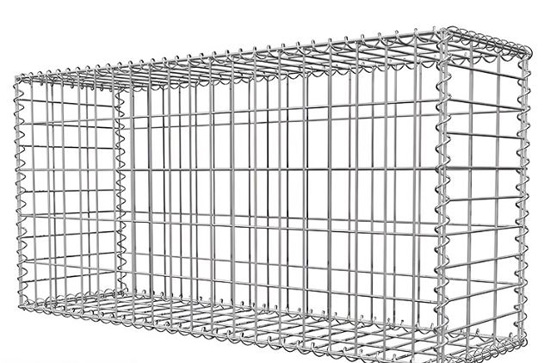
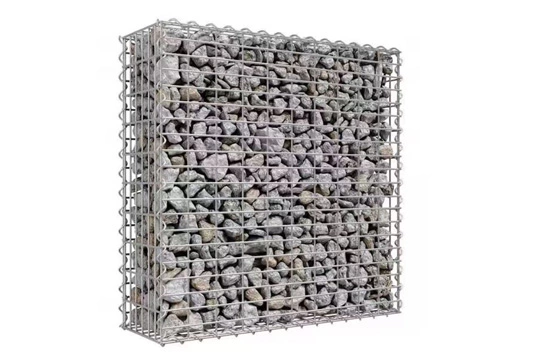
One of the primary reasons high-tensile mesh is essential for industrial use is its exceptional strength and durability. Constructed from high-quality materials, such as steel or synthetic fibers, high-tensile mesh can withstand significant loads and resist deformation under pressure. This makes it ideal for applications where structural integrity is paramount, such as in the construction of retaining walls, slope stabilization, and reinforcement of concrete structures.
The tensile strength of this type of mesh is significantly higher than that of traditional materials, allowing it to support heavy loads without compromising its structural integrity. Additionally, high-tensile mesh is resistant to corrosion, making it suitable for use in harsh environments where exposure to moisture, chemicals, and other corrosive elements is common. This durability ensures a longer lifespan and reduced maintenance costs, making it a cost-effective solution for industrial projects.
Safety is a critical concern in any industrial setting, and high-tensile mesh plays a vital role in enhancing the overall security of these sites. In areas where there is a risk of falling objects or debris, such as mining operations or construction sites, high-tensile mesh can be used to create protective barriers. These barriers are designed to catch or deflect falling objects, thereby preventing injuries and damage to property.
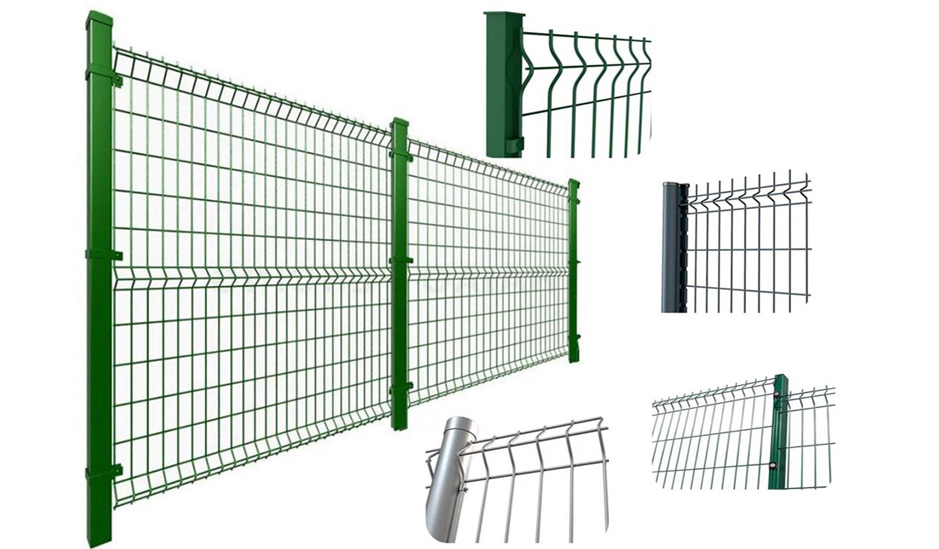
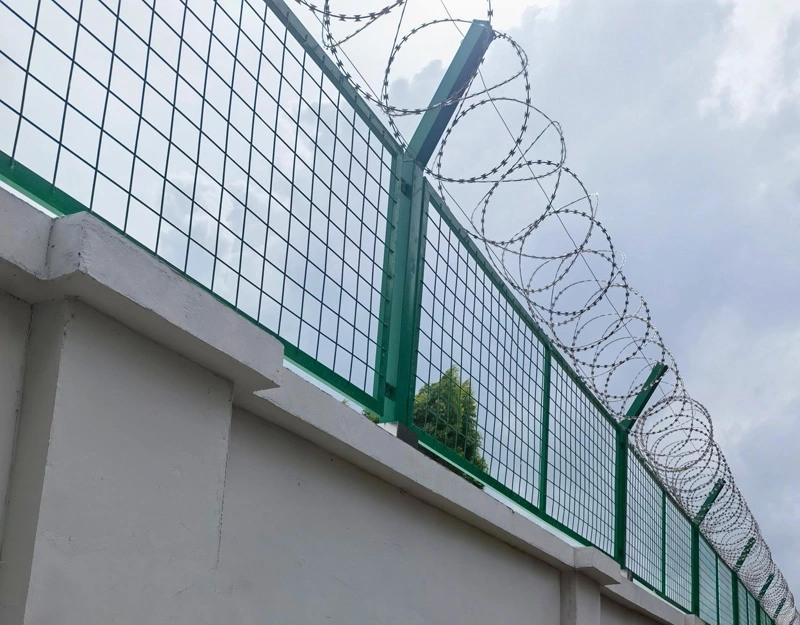
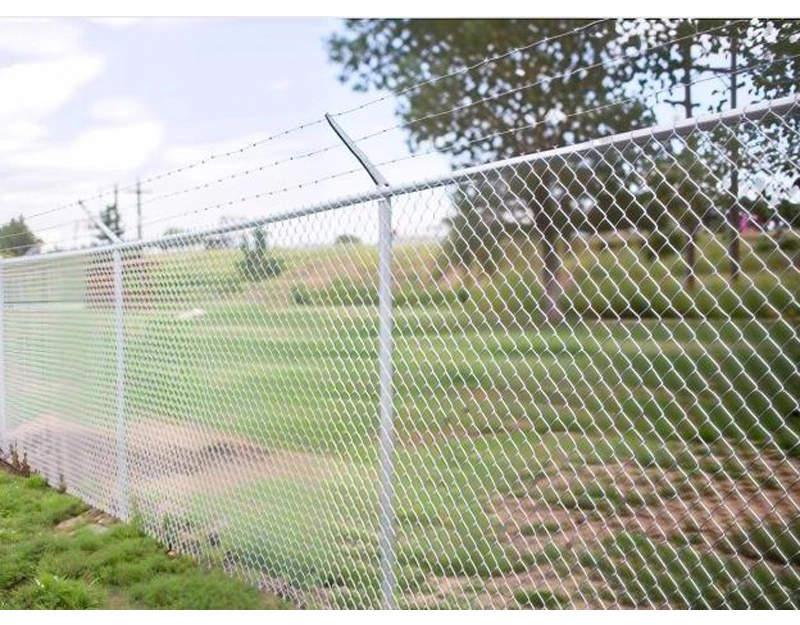
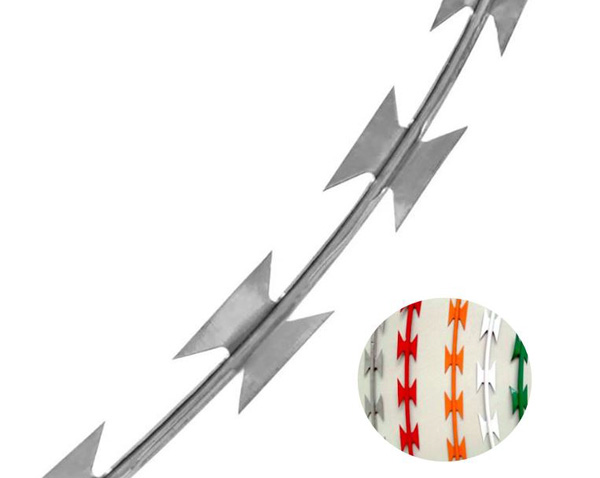
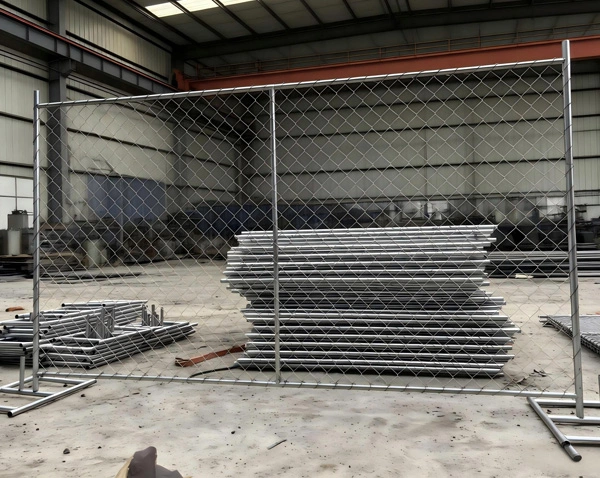
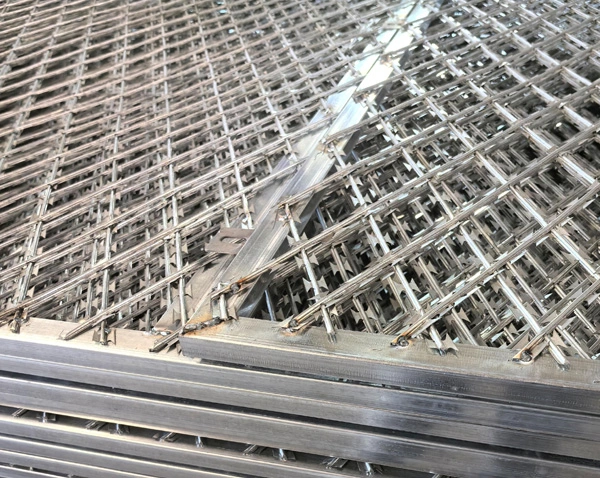
Moreover, high-tensile mesh is also used in the construction of fencing and perimeter security systems. Its robust nature makes it difficult to breach, providing a strong deterrent against unauthorized access. This is particularly important in industries where sensitive materials or equipment need to be protected from theft or vandalism. The use of high-tensile mesh in these applications not only enhances safety but also contributes to the overall security of the site.
Another significant advantage of high-tensile mesh for industrial use is its cost-effectiveness and versatility. While the initial investment in high-tensile mesh may be higher compared to traditional materials, the long-term benefits far outweigh the initial costs. The durability and longevity of high-tensile mesh mean that it requires less frequent replacement and maintenance, resulting in lower operational costs over time.
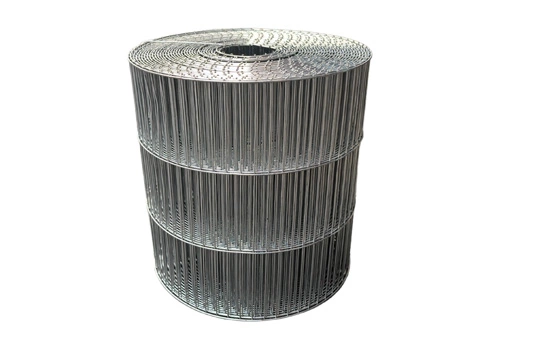
Furthermore, high-tensile mesh is highly versatile and can be adapted to a wide range of applications. It can be used in various forms, such as rolls, panels, or custom-fabricated solutions, to meet the specific needs of different industrial projects. This versatility allows for greater flexibility in design and installation, making it a preferred choice for engineers and project managers. Whether it is used for soil reinforcement, erosion control, or structural support, high-tensile mesh offers a reliable and efficient solution that can be tailored to the unique requirements of each project.
In today’s world, environmental sustainability is a key consideration for many industries. High-tensile mesh offers several environmental benefits that make it a sustainable choice for industrial use. Firstly, its durability and longevity reduce the need for frequent replacements, which in turn reduces waste and the environmental impact associated with manufacturing and disposal. Additionally, high-tensile mesh can be recycled at the end of its lifecycle, further minimizing its environmental footprint.
Moreover, high-tensile mesh is often used in applications that promote environmental sustainability, such as erosion control and soil stabilization. By preventing soil erosion and promoting vegetation growth, high-tensile mesh helps to maintain the ecological balance and prevent environmental degradation. This aligns with the growing emphasis on sustainable practices in the industrial sector and ensures compliance with environmental regulations and standards.
The field of high-tensile mesh continues to evolve, driven by ongoing technological advancements. Innovations in material science and manufacturing processes have led to the development of even stronger and more durable meshes. For example, the introduction of advanced alloys and composite materials has further enhanced the performance characteristics of high-tensile mesh, making it even more suitable for demanding industrial applications.
Additionally, the integration of smart technologies, such as sensors and monitoring systems, is transforming the way high-tensile mesh is used. These technologies enable real-time monitoring of the condition and performance of the mesh, allowing for proactive maintenance and early detection of potential issues. This not only improves the safety and reliability of industrial sites but also optimizes the use of resources and reduces downtime.
Looking ahead, the future prospects for high-tensile mesh in the industrial sector are promising. As industries continue to seek more efficient and sustainable solutions, the demand for high-tensile mesh is expected to grow. Ongoing research and development will likely lead to further innovations, making high-tensile mesh an even more integral part of modern industrial sites.
In conclusion, high-tensile mesh is a crucial component in modern industrial settings, offering superior strength, enhanced safety, cost-effectiveness, and environmental sustainability. Its versatility and adaptability, combined with ongoing technological advancements, make it an ideal solution for a wide range of industrial applications. As the industry continues to evolve, high-tensile mesh will undoubtedly play a pivotal role in shaping the future of industrial infrastructure.

Leave a Reply