

 English
 China
China Thailand
 Malaysia
 Vietnam
 Laos
Laos Cambodia
 Pilipinas
 Indonesia
 Russian
 Portuguese
 Arabic
 Japanese
 Spanish
 Italian
 French
 German
News
- Home
- News
- Company News
In the realm of industrial safety and security, the choice of materials for barriers such as industrial fence panels is crucial. This technical report delves into the significance of fine mesh in industrial settings, exploring its advantages over other materials and applications where it excels. By examining the properties of fine mesh and how they contribute to enhancing safety, durability, and functionality, this document aims to provide a comprehensive understanding of why fine mesh is an essential component in many industrial environments. It will also highlight the environmental and economic benefits associated with using fine mesh, making a strong case for its adoption in various industrial applications.
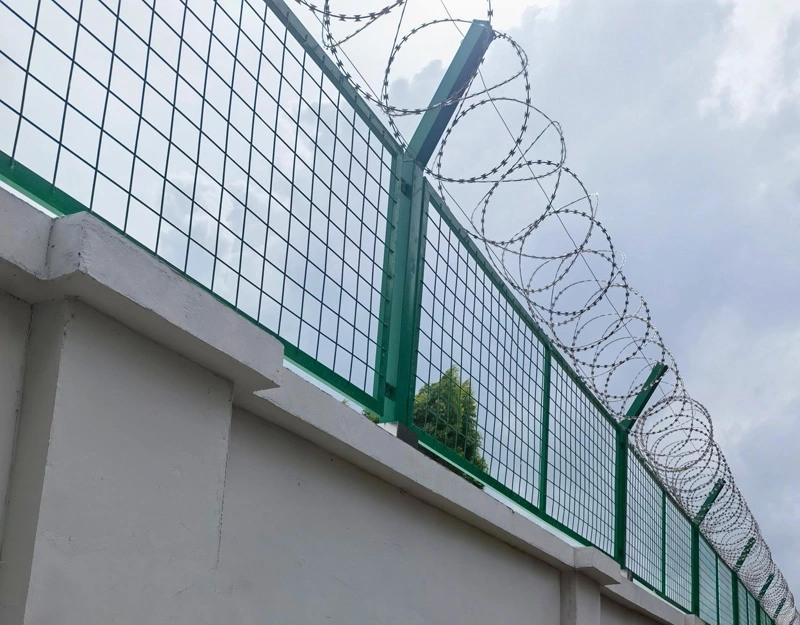
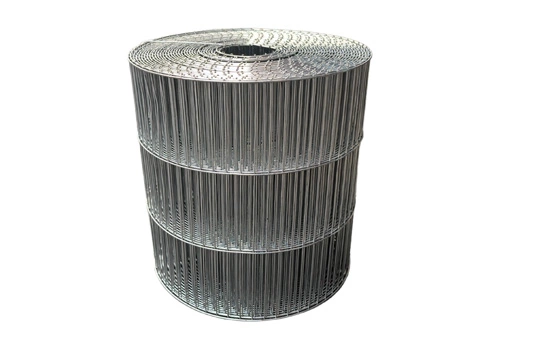
The primary function of any fencing, including those made from fine mesh, is to create a barrier that prevents unauthorized access or the passage of objects. In industrial settings, where small tools, parts, or even hazardous substances might be present, the use of fine mesh significantly reduces the risk of these items passing through the fence. This characteristic is particularly important in industries like manufacturing and construction, where maintaining a clean and safe environment is paramount to operational efficiency and worker safety.
Beyond preventing the passage of man-made objects, fine mesh fences serve as an effective deterrent against wildlife and pests. Industrial sites, especially those located near natural habitats, often face challenges related to animal intrusion. Fine mesh, with its closely woven structure, can prevent smaller animals and insects from entering the premises, thereby reducing the likelihood of damage to equipment, contamination of products, or disruption of operations. This dual functionality of fine mesh makes it a versatile and valuable asset in safeguarding industrial areas.
Industrial environments are often exposed to harsh conditions, including extreme weather, corrosive chemicals, and physical impacts. Fine mesh, typically constructed from high-quality metals or treated materials, demonstrates remarkable resistance to these factors. Its robust nature ensures that the fence remains intact and functional over extended periods, requiring minimal maintenance. This durability not only enhances the overall security of the facility but also contributes to cost savings by minimizing the need for frequent replacements or repairs.
Another key advantage of fine mesh is its ability to withstand stress without compromising its integrity. Unlike solid barriers, which may crack or break under pressure, fine mesh has a certain degree of flexibility that allows it to absorb and distribute impact forces. This resilience makes it an ideal choice for areas prone to accidental collisions, such as loading docks or vehicle entry points. The combination of strength and flexibility ensures that the fence remains a reliable protective measure, even in dynamic and unpredictable industrial settings.
While the initial investment in fine mesh fencing may be higher compared to some alternatives, the long-term cost-effectiveness is undeniable. The longevity and low maintenance requirements of fine mesh mean that the total cost of ownership over time is lower than that of less durable options. Additionally, the prevention of damage to property and equipment, as well as the reduction in potential liabilities due to accidents, further justifies the financial investment in quality fencing solutions. For businesses looking to balance budget constraints with the need for robust security, fine mesh offers a compelling value proposition.
From an environmental perspective, fine mesh presents several advantages. Many types of fine mesh are made from recyclable materials, such as steel or aluminum, which can be repurposed at the end of their lifecycle. This aligns with the growing trend towards sustainability and responsible resource management in the industrial sector. Furthermore, the durability of fine mesh means that it does not need to be replaced as frequently, reducing the overall environmental impact associated with production, transportation, and disposal of fencing materials. By choosing fine mesh, industrial facilities can demonstrate their commitment to both economic and environmental stewardship.
In chemical and pharmaceutical plants, where the presence of hazardous materials is common, the use of fine mesh fencing is critical. The tightly woven structure of fine mesh prevents the escape of potentially harmful particles or vapors, ensuring that the surrounding environment and personnel remain protected. Additionally, the non-reactive nature of many fine mesh materials makes them suitable for use in areas where exposure to chemicals could degrade other types of fencing. This application underscores the importance of fine mesh in maintaining stringent safety standards in sensitive industrial environments.
Construction and mining sites pose unique challenges in terms of security and safety. These environments are characterized by heavy machinery, moving vehicles, and the constant flow of materials. Fine mesh fencing provides a secure perimeter that can effectively contain debris and prevent unauthorized access. Moreover, its visibility-enhancing properties make it easier for workers to see through the fence, reducing the risk of accidents. The ability of fine mesh to adapt to different terrains and configurations also makes it a practical choice for temporary or mobile fencing solutions, offering flexibility and ease of installation in dynamic workspaces.
This technical report has highlighted the multifaceted benefits of fine mesh in industrial settings. From enhancing safety and durability to providing economic and environmental advantages, fine mesh stands out as a superior choice for industrial fencing. Its ability to prevent the passage of small objects, deter wildlife, resist environmental factors, and offer a cost-effective and sustainable solution makes it an indispensable component in modern industry. As industrial facilities continue to evolve and face new challenges, the role of fine mesh in ensuring the integrity and security of these environments will only become more significant.
Looking ahead, there is a clear opportunity for further innovation in the design and application of fine mesh fencing. Advances in material science, such as the development of self-healing and smart materials, could enhance the performance and functionality of fine mesh even further. Additionally, integrating fine mesh with other security technologies, such as sensors and monitoring systems, could create more comprehensive and intelligent security solutions. For industrial operators, the adoption of fine mesh should be considered a strategic investment in the long-term safety, efficiency, and sustainability of their operations. By embracing these advancements, industries can ensure that they are well-equipped to meet the demands of the future while maintaining the highest standards of security and protection.
Leave a Reply