

 English
 China
China Thailand
 Malaysia
 Vietnam
 Laos
Laos Cambodia
 Pilipinas
 Indonesia
 Russian
 Portuguese
 Arabic
 Japanese
 Spanish
 Italian
 French
 German
News
- Home
- News
- Company News
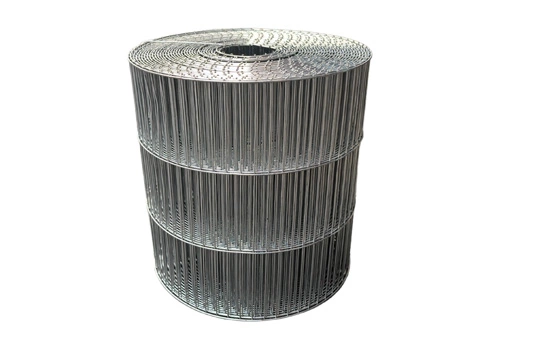
industrial stainless steel mesh is a versatile material used across various industries due to its exceptional durability and resistance to corrosion. This technical report aims to explore the durability of industrial stainless steel mesh in harsh environments, providing insights into its performance under extreme conditions.
The durability of industrial stainless steel mesh is significantly influenced by its material composition. Understanding the specific alloying elements and their roles is crucial for predicting how the mesh will perform in different environments.
Stainless steel is primarily composed of iron, carbon, and chromium. The addition of chromium, typically 10.5% or more, forms a passive oxide layer on the surface, which provides excellent corrosion resistance. Other alloying elements such as nickel, molybdenum, and nitrogen can further enhance the material's properties, making it suitable for more aggressive environments.
One of the key factors contributing to the durability of industrial stainless steel mesh is its ability to resist corrosion. In harsh environments, such as those with high humidity, salt spray, or chemical exposure, the passive oxide layer on the surface of the stainless steel prevents the underlying metal from degrading. This makes it an ideal choice for applications in marine, chemical, and food processing industries.
Industrial stainless steel mesh also exhibits superior temperature tolerance and mechanical strength. It can withstand high temperatures without losing its structural integrity, making it suitable for use in high-temperature applications such as heat exchangers and catalytic converters. Additionally, the material's high tensile strength and ductility ensure that it can handle significant mechanical stress without breaking or deforming.
Understanding the specific performance characteristics and maintenance requirements of industrial stainless steel mesh in different applications is essential for ensuring its longevity and reliability.
In marine environments, where the mesh is exposed to saltwater and high humidity, the selection of the appropriate grade of stainless steel is critical. Grades such as 316 and 316L, which contain molybdenum, offer enhanced resistance to pitting and crevice corrosion. Regular cleaning and inspection are necessary to remove any accumulated salt deposits and maintain the mesh's protective oxide layer.
In the chemical processing industry, industrial stainless steel mesh must withstand exposure to a wide range of corrosive chemicals. The choice of alloy, such as duplex or super austenitic stainless steels, is crucial for ensuring long-term durability. These alloys provide excellent resistance to both uniform and localized corrosion, making them suitable for use in highly corrosive environments. Regular maintenance, including the removal of chemical residues and the application of protective coatings, can further extend the lifespan of the mesh.
In high-temperature applications, the thermal stability and creep resistance of industrial stainless steel mesh are critical. Alloys such as 309 and 310, which have higher chromium and nickel content, are designed to withstand elevated temperatures without significant loss of strength or deformation. Proper installation and regular inspection are essential to ensure that the mesh remains in optimal condition and continues to perform effectively over time.
By understanding the role of material composition, the specific performance characteristics in different environments, and the importance of proper maintenance, the durability of industrial stainless steel mesh can be maximized. This knowledge is invaluable for engineers and designers looking to select the most suitable materials for their applications and ensure the long-term reliability of their systems.

Leave a Reply