

 English
 China
China Thailand
 Malaysia
 Vietnam
 Laos
Laos Cambodia
 Pilipinas
 Indonesia
 Russian
 Portuguese
 Arabic
 Japanese
 Spanish
 Italian
 French
 German
News
- Home
- News
- Company News
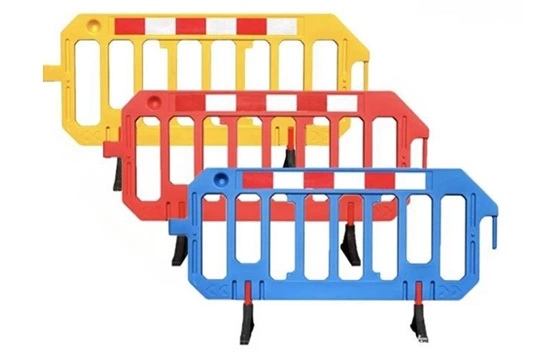
In the realm of public event management, ensuring the safety and security of attendees is paramount. This technical report delves into the critical role of Temporary Fencing in enhancing the overall experience at such gatherings. By exploring how these barriers can be effectively utilized, this document highlights their benefits beyond mere crowd control, touching upon aspects like access management, emergency response facilitation, and even psychological comfort. The analysis will also touch on the integration of more specialized Safety Barriers for Machinery, underscoring a holistic approach to safety in diverse environments. Through an examination of practical applications, case studies, and best practices, this report aims to provide a comprehensive understanding of why temporary fencing should be a fundamental consideration in the planning and execution of any public event.
Temporary fencing plays a crucial role in guiding the movement of large crowds during public events. By strategically placing barriers, organizers can direct people towards entry points, exits, and key areas within the venue. This not only helps in maintaining an orderly flow but also reduces the risk of bottlenecks that could lead to accidents or injuries. Moreover, well-placed fences serve as visual cues, making it easier for attendees to navigate the space without confusion.
One of the primary functions of temporary fencing is to prevent unauthorized individuals from entering restricted areas. Whether it's backstage, VIP sections, or operational zones, these barriers ensure that only authorized personnel have access. This is particularly important for the safety of both the event staff and the participants, as it minimizes the chances of security breaches and ensures that all operations run smoothly. In some cases, the use of safety barriers for machinery may also be necessary to protect against accidental contact with moving parts, adding another layer of security to the event setup.
In the event of an emergency, having clear and unobstructed evacuation routes is essential. Temporary fencing can be used to demarcate specific paths that are free from obstacles, allowing for quick and efficient evacuation. By pre-planning these routes and marking them with visible signage, event organizers can significantly reduce the time it takes to evacuate the area, thereby minimizing the risk of injuries or fatalities. Additionally, these barriers can help guide first responders to the scene, ensuring that they can reach the affected areas without delay.
Emergency equipment and personnel need to be easily accessible in case of an incident. Temporary fencing can be employed to create designated areas for ambulances, fire trucks, and other emergency vehicles, ensuring that they have a clear path to enter and exit the event site. Similarly, medical tents and first aid stations can be set up in clearly marked, fenced-off areas, providing a secure and controlled environment for treating injured individuals. This arrangement not only enhances the effectiveness of the emergency response but also reassures attendees that their safety is being prioritized.
Public events should be inclusive and accessible to all, including individuals with disabilities. Temporary fencing can be used to create special needs areas, such as wheelchair-accessible viewing platforms, quiet zones for those with sensory sensitivities, and dedicated rest areas. These designated spaces ensure that everyone can enjoy the event in a comfortable and safe manner. Furthermore, by clearly marking these areas with appropriate signage, event organizers can promote inclusivity and demonstrate their commitment to accommodating all attendees.
Effective traffic and pedestrian management are crucial for the smooth operation of public events. Temporary fencing can be used to separate vehicular and pedestrian traffic, preventing accidents and ensuring that both groups can move safely. For example, barriers can be placed along the edges of roads to create walkways, or they can be used to create one-way systems that reduce congestion. Additionally, these barriers can be used to manage parking areas, directing vehicles to designated spots and preventing unauthorized parking. By implementing these measures, event organizers can create a more organized and safer environment for all participants.
The presence of temporary fencing can provide a psychological sense of safety and security for event attendees. Knowing that there are physical barriers in place to control access and manage crowds can make people feel more at ease. This is especially important in large-scale events where the potential for chaos and disorder is higher. By creating a structured and controlled environment, temporary fencing can contribute to a more positive and enjoyable experience for everyone involved.
Public events can be overwhelming, particularly for individuals who are sensitive to large crowds or unfamiliar environments. Temporary fencing can help reduce anxiety and stress by creating defined and predictable spaces. For example, setting up enclosed areas for children's activities or relaxation zones can provide a sense of containment and familiarity. Additionally, the use of safety barriers for machinery can further enhance the feeling of security, as attendees can be assured that potentially dangerous equipment is safely contained. This attention to detail can make a significant difference in the overall experience of event-goers.
One of the key advantages of temporary fencing is its reusability and durability. Many types of temporary barriers are designed to be assembled and disassembled quickly, making them ideal for multiple events. This not only reduces the cost of purchasing new fencing for each occasion but also minimizes waste. High-quality temporary fencing is built to withstand various weather conditions and can be stored easily when not in use, ensuring that it remains in good condition for future events. Additionally, the flexibility of these barriers allows for easy customization, enabling organizers to adapt to different venue layouts and requirements.
Temporary fencing is highly adaptable and can be used in a wide range of environments, from urban parks and stadiums to rural fields and beaches. This versatility makes it a valuable tool for event planners, as it can be tailored to fit the specific needs of each location. For instance, in outdoor settings, temporary fencing can be anchored securely to the ground to withstand wind and other environmental factors. In indoor venues, lightweight and portable barriers can be used to create flexible partitions. The ability to adjust and modify the fencing as needed ensures that it can be effectively utilized in any setting, providing a reliable solution for crowd management and safety.


Leave a Reply