

 English
 China
China Thailand
 Malaysia
 Vietnam
 Laos
Laos Cambodia
 Pilipinas
 Indonesia
 Russian
 Portuguese
 Arabic
 Japanese
 Spanish
 Italian
 French
 German
News
- Home
- News
- Company News
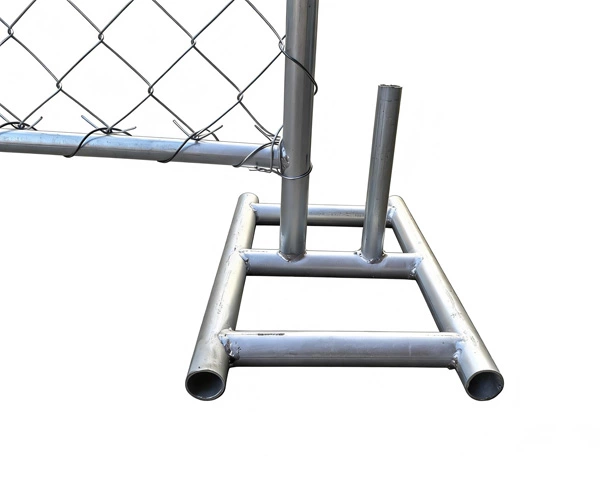
Construction sites are often seen as areas of significant environmental impact, with concerns ranging from dust and noise pollution to the management of waste materials. However, the choice of construction site metal fence mesh can play a crucial role in mitigating some of these impacts, offering both practical and environmental benefits. This report explores how the use of metal fences on construction sites contributes positively to the environment, focusing on key aspects such as sustainability, safety, and ecological preservation.
One of the most compelling reasons for using construction site metal fence mesh is its inherent sustainability. Unlike traditional wooden or plastic fencing, which may end up in landfills after a single use, metal fences, particularly those made from steel, can be reused multiple times across different projects. This reusability significantly reduces the demand for new raw materials, thus lowering the overall carbon footprint associated with construction activities. Moreover, at the end of their useful life, metal fences can be recycled without losing their properties, making them an environmentally friendly option that supports a circular economy. The process of recycling metal consumes less energy compared to producing new metal from raw ores, further enhancing its sustainability credentials.
The implementation of metal fences around construction zones not only enhances the security of the site but also plays a vital role in reducing potential environmental hazards. A well-secured construction area prevents unauthorized access, thereby minimizing the risk of accidents or intentional damage that could lead to hazardous material spills, fires, or other forms of pollution. Additionally, metal fences act as a barrier against wildlife intrusion, protecting both the project and local fauna. By maintaining a clear demarcation between the construction zone and the surrounding environment, these fences help prevent soil erosion and protect natural habitats, contributing to the preservation of biodiversity in the vicinity of the construction site.
While the primary function of a construction site metal fence mesh is to provide security and define boundaries, it also serves an aesthetic purpose. High-quality metal fences come in various designs and finishes, allowing them to blend more seamlessly into the surrounding landscape than temporary barriers. This visual integration helps reduce the perception of construction activity as an eyesore, which can be particularly important in urban or residential areas where the appearance of the construction site can affect property values and community satisfaction. Furthermore, by choosing aesthetically pleasing yet functional metal fences, construction companies can demonstrate their commitment to both the environment and the communities they serve, fostering a positive public image and potentially easing tensions with local residents concerned about the disruption caused by construction work.
In conclusion, the adoption of construction site metal fence mesh represents a step towards more sustainable and responsible building practices. Through their reusability, recyclability, ability to enhance safety and security, and capacity to improve aesthetics, metal fences offer a multifaceted solution to the environmental challenges faced by the construction industry. As awareness of the importance of environmental stewardship continues to grow, it is likely that we will see an increasing trend toward the use of such eco-friendly materials in construction projects worldwide.

Leave a Reply