

 English
 China
China Thailand
 Malaysia
 Vietnam
 Laos
Laos Cambodia
 Pilipinas
 Indonesia
 Russian
 Portuguese
 Arabic
 Japanese
 Spanish
 Italian
 French
 German
News
- Home
- News
- Company News
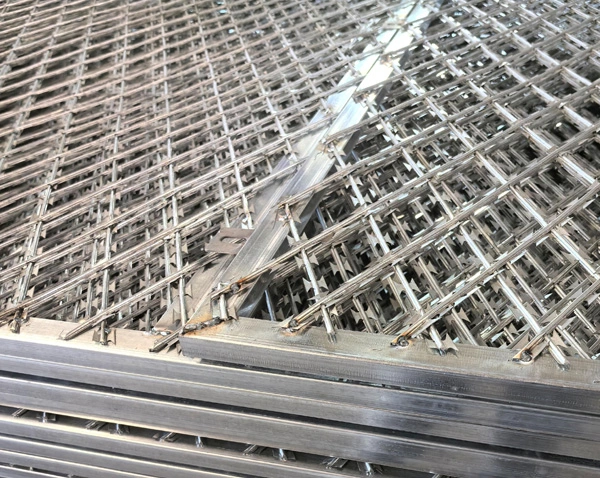
stainless steel, a material renowned for its corrosion resistance and durability, has been playing an increasingly significant role in the design and manufacture of microscreens. This report delves into the advantages offered by stainless steel in enhancing the performance and longevity of microscreens, especially under challenging environmental conditions. Through a detailed analysis, we will explore how this versatile material contributes to creating more robust, efficient, and long-lasting microscreen solutions.
When it comes to choosing materials for microscreens, one of the most critical factors is their ability to resist chemical degradation. Microscreens are often used in environments where they come into contact with various corrosive substances, including acids, bases, and organic solvents. Stainless steel, due to its high chromium content, forms a protective oxide layer on its surface that significantly enhances its resistance to these chemicals. This characteristic makes stainless steel an ideal choice for applications where exposure to aggressive chemicals is a concern, ensuring that the microscreen maintains its integrity over time without succumbing to corrosion or pitting. The stainless steel microscreen not only offers superior protection against chemical attack but also reduces maintenance costs and extends the operational life of the equipment.
Beyond chemical resistance, another crucial aspect that influences the selection of materials for microscreens is mechanical strength. In many industrial processes, microscreens are subjected to high pressures, temperatures, and physical stresses. Stainless steel stands out in this regard, offering excellent tensile strength and hardness, which allows it to withstand these harsh conditions without deforming or breaking. Its ability to maintain structural integrity even under extreme mechanical loads makes it a preferred material for applications requiring high durability. Moreover, stainless steel's malleability and ductility enable it to be formed into complex shapes and designs, providing engineers with greater flexibility in developing innovative microscreen solutions that can meet specific performance requirements. By leveraging the mechanical properties of stainless steel, manufacturers can produce microscreens capable of handling the rigors of demanding industrial environments, thereby improving overall system reliability and reducing downtime associated with component failure.
The primary function of a microscreen is to filter out particles from fluids or gases, making filtration efficiency a key performance metric. Stainless steel, with its smooth surface finish, minimizes the accumulation of contaminants and facilitates easy cleaning, thus maintaining optimal filtration performance over extended periods. Unlike some other materials, such as plastics or certain metals, which may degrade or become clogged more easily, stainless steel microscreens offer consistent and reliable filtration. Additionally, the fine mesh sizes achievable with stainless steel allow for precise control over particle retention, enabling the removal of even the smallest impurities. This level of precision is particularly important in industries such as pharmaceuticals, food processing, and water treatment, where the purity of the filtered product is paramount. By utilizing stainless steel in the construction of microscreens, companies can achieve higher levels of filtration efficiency, leading to improved product quality and reduced waste.
In many industrial processes, microscreens are exposed to elevated temperatures, either during the filtration process itself or as part of the sterilization procedures. Stainless steel exhibits excellent thermal stability, allowing it to retain its mechanical and chemical properties at high temperatures. This characteristic is especially beneficial in applications where the microscreen must withstand thermal cycling or prolonged exposure to heat. For instance, in the food and beverage industry, microscreens are often required to undergo regular sterilization to ensure hygiene standards are met. Stainless steel microscreens can endure these high-temperature sterilization cycles without suffering from thermal degradation, ensuring that they remain effective and safe for use. Furthermore, the low thermal expansion coefficient of stainless steel helps to minimize dimensional changes, which could otherwise affect the microscreen's performance. By incorporating stainless steel into the design of microscreens, manufacturers can create products that are not only durable but also highly resistant to thermal stress, thereby enhancing their suitability for a wide range of applications.
While the initial cost of stainless steel may be higher compared to some alternative materials, the long-term economic and environmental benefits make it a cost-effective choice for microscreen applications. The durability and longevity of stainless steel microscreens result in lower replacement and maintenance costs over their lifetime. This is because they require less frequent repairs and replacements, reducing the need for additional resources and labor. Additionally, the recyclability of stainless steel contributes to its sustainability. At the end of its useful life, a stainless steel microscreen can be recycled, reducing waste and conserving raw materials. This aligns with the growing emphasis on sustainable practices in manufacturing and industrial operations. By investing in stainless steel microscreens, companies can not only achieve better performance and reliability but also contribute to a more environmentally friendly and economically viable solution.
In conclusion, the use of stainless steel in the production of microscreens offers numerous advantages, including enhanced chemical and thermal resistance, superior mechanical strength, and improved filtration efficiency. These properties make stainless steel an ideal material for creating durable, high-performance microscreens that can withstand the challenges of various industrial environments. As the demand for reliable and efficient filtration solutions continues to grow, the role of stainless steel in enhancing microscreen durability will undoubtedly become even more significant.

Leave a Reply