

 English
 China
China Thailand
 Malaysia
 Vietnam
 Laos
Laos Cambodia
 Pilipinas
 Indonesia
 Russian
 Portuguese
 Arabic
 Japanese
 Spanish
 Italian
 French
 German
News
- Home
- News
- Company News
In today’s increasingly security-conscious world, the protection of properties has become a paramount concern for both individuals and organizations. Among the various measures employed, security fence wire panel systems have emerged as a critical component in modern property protection strategies. This report aims to explore the significance, applications, and advancements of these systems, providing insights into how they contribute to enhancing the overall security posture of contemporary environments.
The concept of using fences for protection is not new; however, the evolution from simple barriers to sophisticated security solutions marks a significant shift. Traditional fences were primarily designed to demarcate boundaries and provide a basic level of deterrence. In contrast, modern security fence wire panel systems are engineered with advanced materials and technologies that offer enhanced durability, visibility, and intrusion detection capabilities. These systems are now integral parts of comprehensive security strategies, often integrated with other surveillance and monitoring technologies to create a multi-layered defense mechanism.
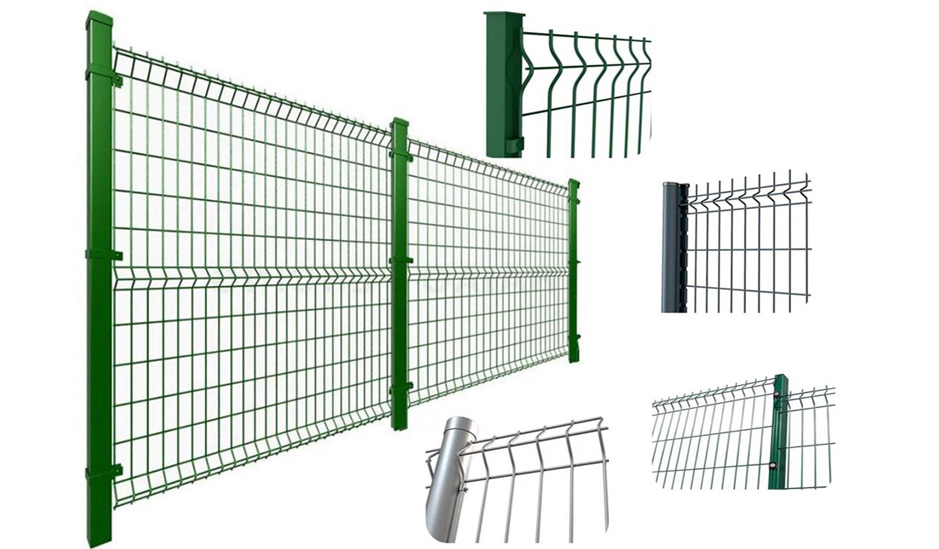
One of the key factors driving the effectiveness of security fence wire panel systems is the continuous innovation in materials. Modern wire panels are typically made from high-tensile steel or aluminum, which provides superior strength and resistance to corrosion. Additionally, these materials can be treated with special coatings to enhance their longevity and aesthetic appeal. For example, galvanized or powder-coated finishes not only protect the wire panels from environmental elements but also allow for customization in terms of color and finish, making them suitable for a wide range of architectural styles.
The integration of technology has revolutionized the functionality of security fence wire panel systems. Advanced sensors, such as vibration detectors and motion sensors, can be embedded within the fence structure to detect and alert security personnel to potential breaches. Furthermore, these systems can be connected to central monitoring stations, allowing for real-time surveillance and rapid response. Some high-end solutions even incorporate AI and machine learning algorithms to analyze patterns and predict potential threats, thereby enhancing the proactive security measures of a property.
Another significant advantage of security fence wire panel systems is their flexibility and adaptability. These systems can be customized to meet the specific security requirements of different properties, whether it be residential, commercial, or industrial. For instance, the height, spacing, and design of the wire panels can be adjusted to accommodate varying levels of security needs. Additionally, modular designs allow for easy installation and expansion, making it possible to scale the system as the property’s security requirements evolve over time.
As sustainability becomes an increasingly important factor in construction and property management, security fence wire panel systems are also being designed with environmental considerations in mind. Many manufacturers are adopting eco-friendly practices, such as using recycled materials and implementing energy-efficient manufacturing processes. Moreover, the long lifespan and low maintenance requirements of these systems contribute to reducing the overall environmental impact, making them a sustainable choice for property protection.
In conclusion, security fence wire panel systems play a crucial role in modern property protection by offering robust, customizable, and technologically advanced solutions. The continuous innovations in materials, integration with smart technologies, and focus on sustainability make these systems a vital component in the evolving landscape of security. As the demand for effective and reliable security measures continues to grow, the importance of these systems will only increase, ensuring that properties remain protected and secure in the face of emerging threats.


Leave a Reply