

 English
 China
China Thailand
 Malaysia
 Vietnam
 Laos
Laos Cambodia
 Pilipinas
 Indonesia
 Russian
 Portuguese
 Arabic
 Japanese
 Spanish
 Italian
 French
 German
News
- Home
- News
- Company News
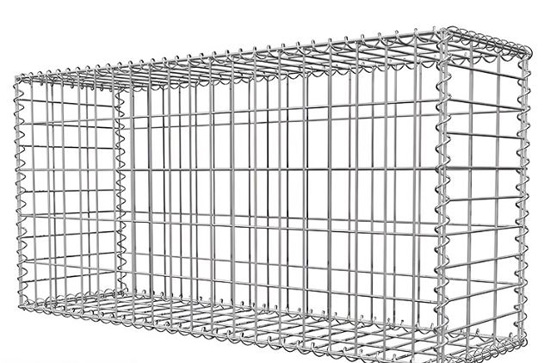
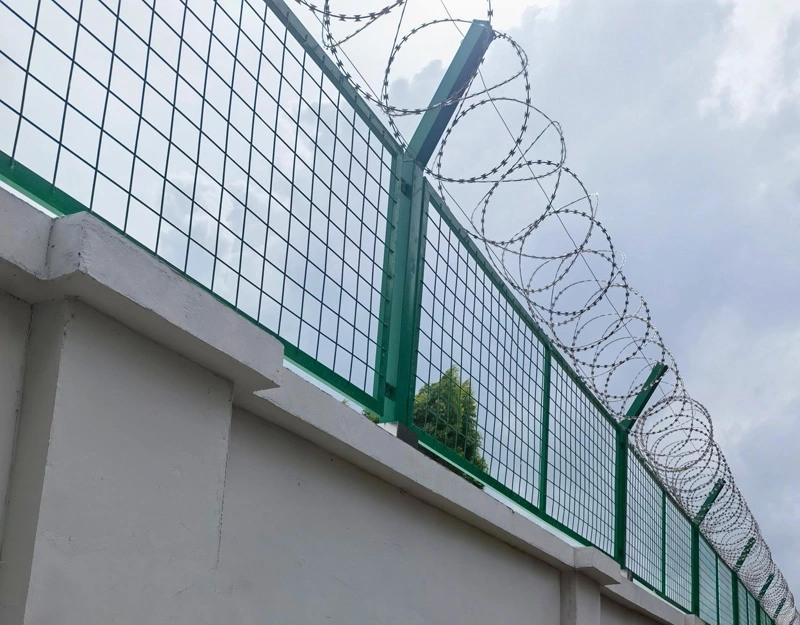
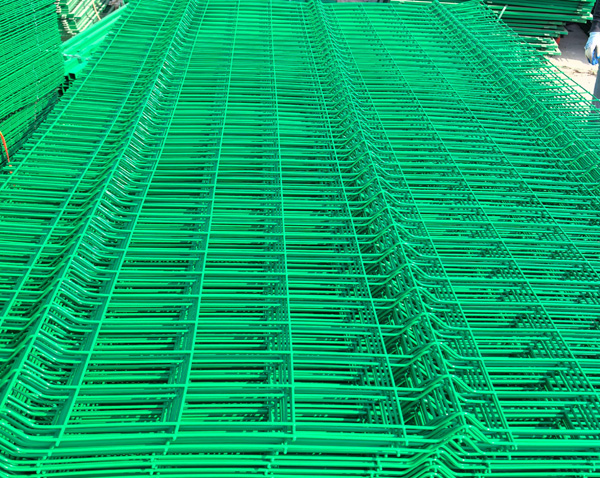
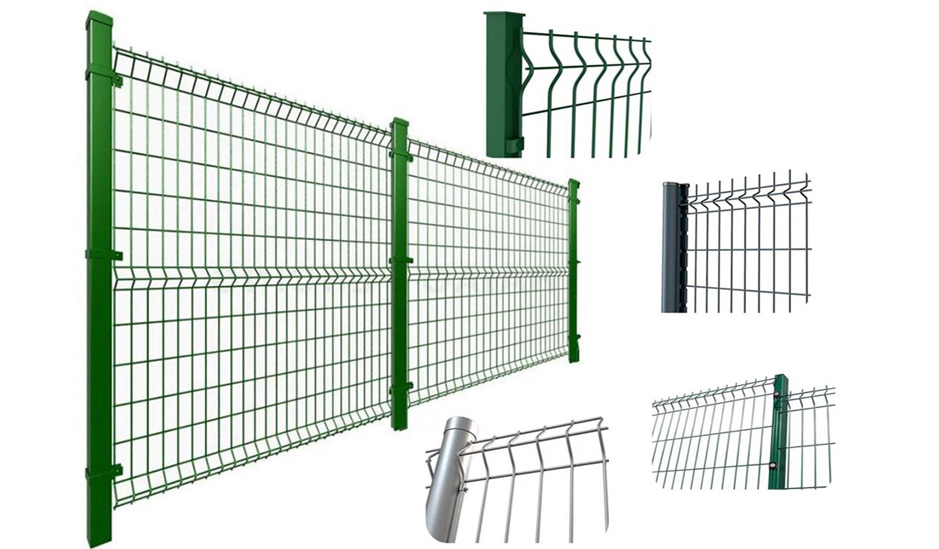
Construction sites are inherently hazardous environments, with a multitude of potential risks ranging from falling objects to unauthorized access. The role of mesh barriers in construction site management is critical for mitigating these dangers. These barriers serve as a physical and visual deterrent, significantly reducing the likelihood of accidents. By providing a clear demarcation between the construction zone and public areas, mesh barriers help prevent unauthorized individuals from entering potentially dangerous zones. Additionally, they offer protection against debris and tools that might accidentally fall from elevated work areas, thereby safeguarding both workers on-site and passersby.
Efficiency is a key factor in the success of any construction project. construction site mesh barrier solutions contribute to overall project efficiency by streamlining operations and minimizing disruptions. When properly installed, these barriers can create a more organized workspace, allowing for better movement of materials and personnel. This organization not only speeds up the construction process but also reduces the risk of delays caused by safety incidents or equipment damage. Furthermore, the use of modular and reusable mesh barriers can lead to cost savings over time, as they can be easily relocated and reused across different phases of the project or even on future projects.
Adherence to local, national, and international safety regulations is non-negotiable in the construction industry. Mesh barriers play an essential role in helping construction managers comply with these standards. In many jurisdictions, there are specific requirements regarding the type and placement of barriers around construction sites. For instance, certain types of mesh barriers may be mandated for high-rise projects to prevent falls and protect pedestrians. By choosing appropriate construction site mesh barrier solutions, managers can ensure their sites meet all necessary legal and regulatory criteria, avoiding fines and other penalties while maintaining a safe working environment.
Beyond safety and operational benefits, the choice of mesh barrier systems should also take into account environmental factors. Sustainable construction practices have become increasingly important, and this includes the selection of materials used in temporary structures like mesh barriers. Opting for eco-friendly materials or those that can be recycled at the end of their lifecycle helps reduce the overall environmental impact of a construction project. Moreover, some advanced mesh barrier solutions are designed to minimize wind resistance, which can be particularly beneficial in urban settings where wind tunnels may pose additional challenges. By considering such environmentally friendly options, construction companies can demonstrate their commitment to sustainability while still achieving their core objectives.
While primarily seen as a safety measure, mesh barriers have found innovative applications beyond traditional boundaries. For example, in densely populated urban areas, mesh barriers can be used to control dust and noise pollution, thereby improving the quality of life for nearby residents during the construction phase. Some modern mesh barrier designs incorporate features such as integrated lighting or signage, enhancing visibility and communication on-site. Additionally, these barriers can be aesthetically customized to blend in with the surrounding environment or even promote branding, making them a versatile tool in construction site management. As technology continues to advance, it is likely that we will see even more creative uses of mesh barriers, further expanding their role in the construction industry.


Leave a Reply