

 English
 China
China Thailand
 Malaysia
 Vietnam
 Laos
Laos Cambodia
 Pilipinas
 Indonesia
 Russian
 Portuguese
 Arabic
 Japanese
 Spanish
 Italian
 French
 German
News
- Home
- News
- Company News
In the context of modern urban security, the role of a galvanized anti climb fence factory has become increasingly significant. This report aims to explore the multifaceted contributions of such facilities to contemporary safety measures, emphasizing their technological advancements, environmental impact, and overall societal benefits.
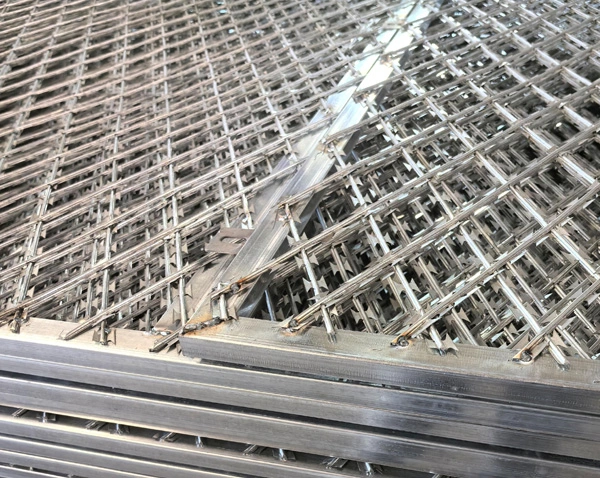
The primary function of a galvanized anti climb fence factory is to produce high-quality, durable, and secure fencing solutions that are specifically designed to deter unauthorized access and prevent climbing. These factories utilize state-of-the-art manufacturing processes, including advanced galvanization techniques, which significantly enhance the longevity and resistance of the fences against corrosion and wear. The use of automated machinery and precision engineering ensures that each fence meets stringent quality standards, providing a reliable barrier for various urban environments.
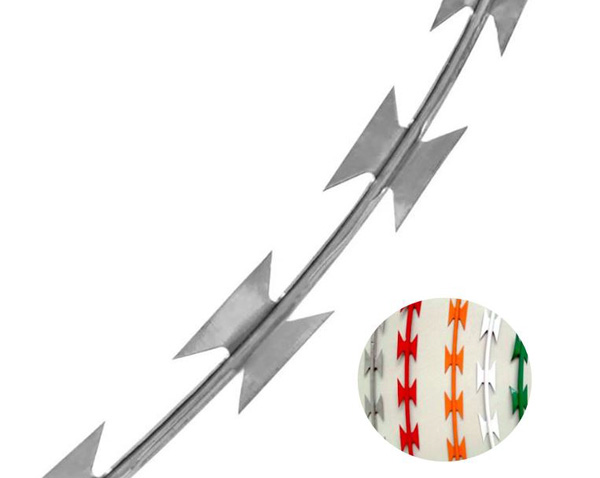
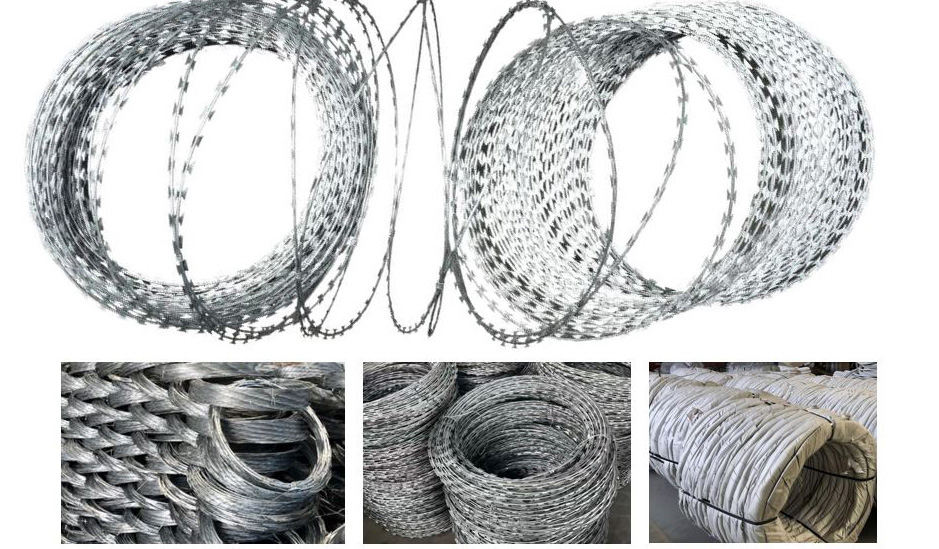
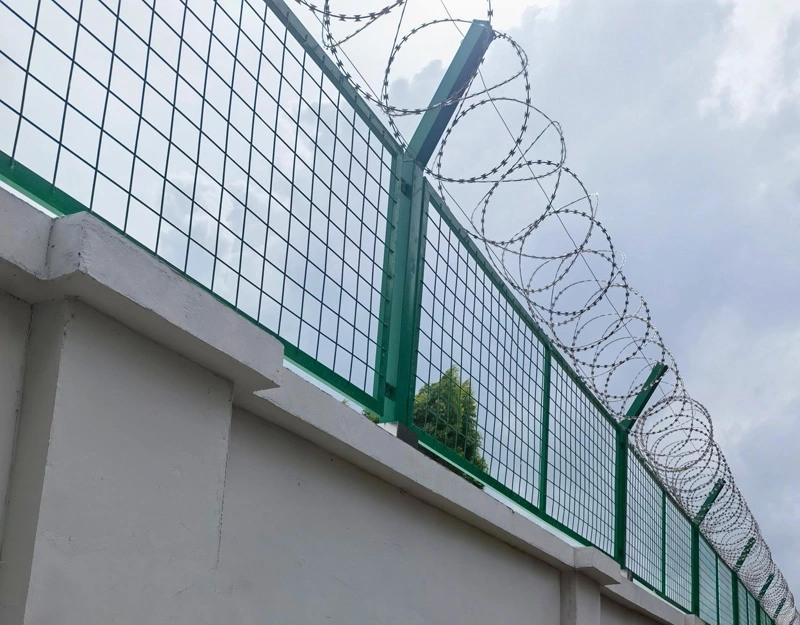
Moreover, these factories often incorporate innovative features into their products, such as anti-climb designs, which include spiked tops or angled surfaces that make it extremely difficult for intruders to scale the fence. This not only increases the physical security of the area but also serves as a psychological deterrent, reducing the likelihood of attempted breaches.
One of the key aspects of a Galvanized anti climb fence factory is its commitment to environmental sustainability. The galvanization process, while essential for protecting the fence from rust and corrosion, can have environmental implications if not managed properly. However, modern factories employ eco-friendly practices, such as using lead-free and low-impact galvanizing methods, to minimize their ecological footprint.
Additionally, many factories have implemented recycling programs to reuse materials and reduce waste. For example, zinc, the primary component used in galvanization, can be recycled, and the factory may have systems in place to collect and repurpose scrap metal. These efforts not only contribute to a more sustainable production process but also align with the growing global demand for environmentally responsible manufacturing.
The economic and social benefits of galvanized anti-climb fences extend beyond just security. In urban areas, these fences help to create safe and secure environments, which can lead to increased property values and a sense of community well-being. For instance, in residential neighborhoods, the presence of robust security measures can attract more residents and businesses, fostering economic growth and stability.
Furthermore, the installation of these fences can reduce the incidence of crime, leading to lower insurance premiums and reduced costs associated with property damage and theft. This, in turn, can result in a more stable and prosperous community. Additionally, the employment opportunities created by galvanized anti climb fence factories contribute to local economies, providing jobs and supporting the livelihoods of workers and their families.
In the era of smart cities, the integration of advanced technologies with traditional security measures is becoming increasingly important. A galvanized anti climb fence factory can play a pivotal role in this integration by producing fences that are compatible with smart city systems. For example, some fences can be equipped with sensors and surveillance cameras, which can be connected to a central monitoring system. This allows for real-time monitoring and quick response to any security breaches, enhancing the overall effectiveness of the security infrastructure.
Moreover, the data collected from these sensors can be analyzed to identify patterns and trends, enabling city planners and security personnel to make informed decisions about resource allocation and security strategies. This integration not only improves the immediate security of the area but also contributes to the long-term planning and development of the city.
The role of a galvanized anti climb fence factory in modern urban security measures is multifaceted and crucial. By producing high-quality, durable, and technologically advanced fencing solutions, these factories contribute to the physical and psychological security of urban environments. Additionally, their commitment to environmental sustainability and the economic and social benefits they provide make them an indispensable part of modern urban security infrastructure. As cities continue to evolve, the integration of these fences with smart city technologies will further enhance their effectiveness, ensuring a safer and more secure future for all.
Leave a Reply