

 English
 China
China Thailand
 Malaysia
 Vietnam
 Laos
Laos Cambodia
 Pilipinas
 Indonesia
 Russian
 Portuguese
 Arabic
 Japanese
 Spanish
 Italian
 French
 German
News
- Home
- News
- Company News
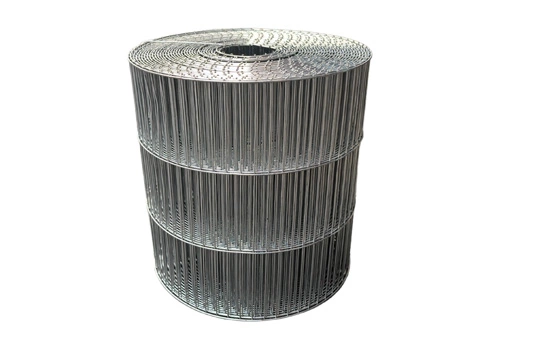
The development and application of wire mesh have seen significant advancements over the years, making it an indispensable material in various industries. One critical aspect that influences its effectiveness is tensile strength. This technical report will explore the importance of tensile strength in modern wire mesh applications, highlighting key areas where this property plays a crucial role.
Tensile strength refers to the maximum amount of tensile (pulling or stretching) stress that a material can withstand before failure, such as breaking or permanent deformation. In the context of wire mesh, tensile strength is a fundamental property that determines the durability and reliability of the mesh. The design of wire mesh involves selecting materials with appropriate tensile strength to ensure that the final product meets the required performance standards. For instance, high-tensile Steel Wires are often used in applications where the mesh needs to support heavy loads or resist significant forces, such as in construction and industrial settings.
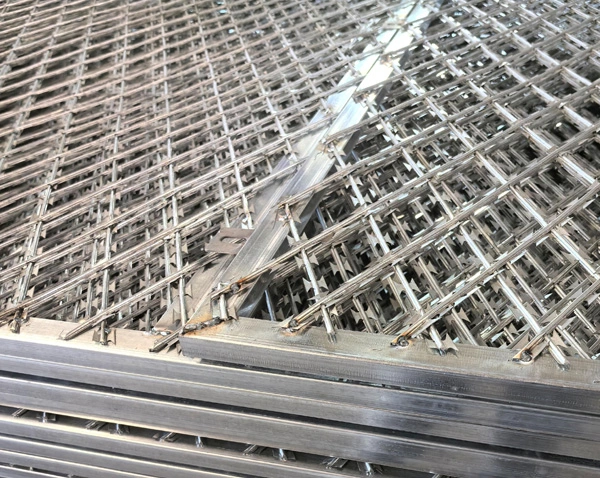
The structural integrity of wire mesh is directly influenced by its tensile strength. In construction, wire mesh is frequently used as reinforcement in concrete structures, such as slabs, walls, and foundations. The tensile strength of the wire mesh ensures that it can effectively distribute the load and prevent cracking, thereby enhancing the overall stability and longevity of the structure. Additionally, in infrastructure projects like bridges and roads, wire mesh with high tensile strength is essential for maintaining the integrity of the pavement and preventing the formation of potholes and other surface defects.
In industrial settings, wire mesh is employed in a wide range of applications, including filtration, separation, and protection. The tensile strength of the wire mesh is crucial in these applications, as it must be able to withstand the mechanical stresses and pressures encountered during use. For example, in the mining industry, wire mesh screens are used to separate and sort minerals. The tensile strength of the mesh ensures that it can handle the abrasive nature of the materials being processed without tearing or breaking. Similarly, in the food and beverage industry, wire mesh filters with high tensile strength are used to remove impurities and ensure the quality of the final product.
Another important consideration in wire mesh design is its ability to withstand environmental factors such as corrosion, temperature variations, and UV exposure. The tensile strength of the wire mesh can be affected by these environmental conditions, which may lead to degradation over time. Therefore, it is essential to select materials with high tensile strength and good resistance to environmental factors. For instance, stainless steel wire mesh is often preferred in marine and coastal environments due to its excellent corrosion resistance and high tensile strength, ensuring long-term durability and performance.
The importance of tensile strength in modern wire mesh applications cannot be overstated. It is a critical factor that influences the structural integrity, performance, and durability of the mesh in various industries. By understanding and considering the tensile strength requirements, engineers and designers can develop wire mesh solutions that meet the specific needs of their applications, ensuring reliable and long-lasting performance. As technology continues to advance, the development of new materials and manufacturing techniques will further enhance the tensile strength and overall quality of wire mesh, opening up new possibilities for its use in innovative and demanding applications.

Leave a Reply