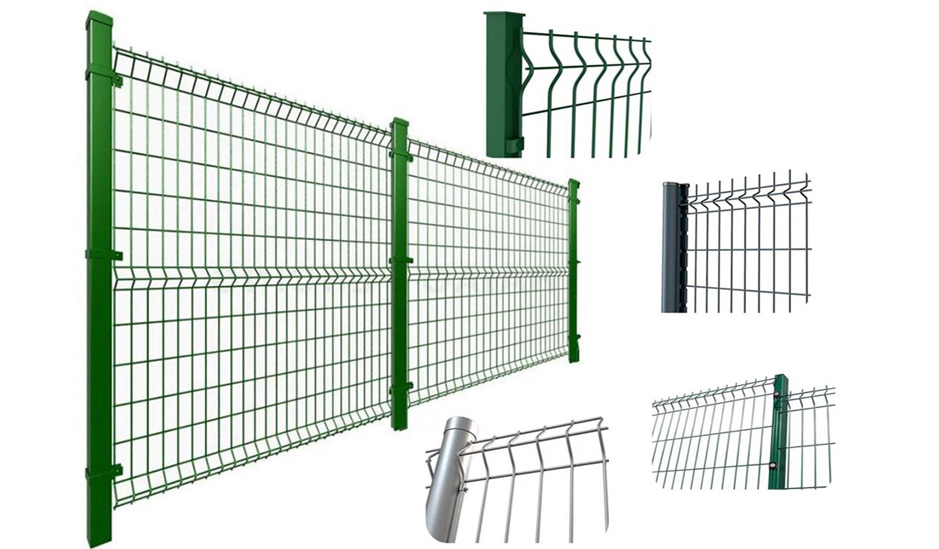
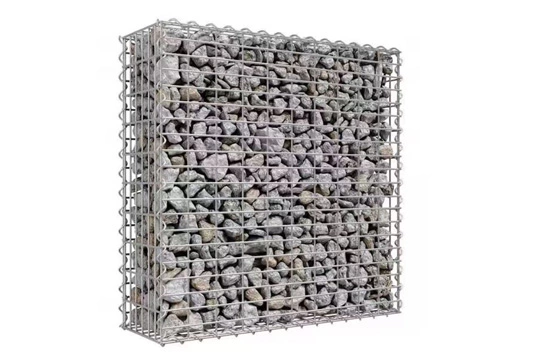
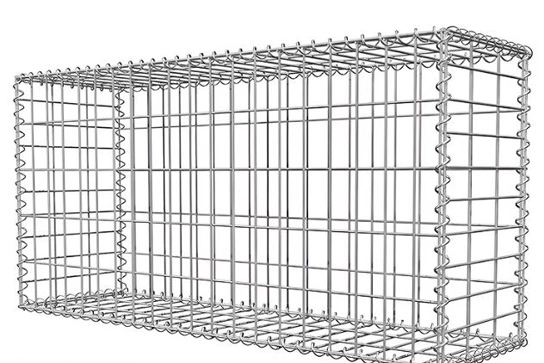
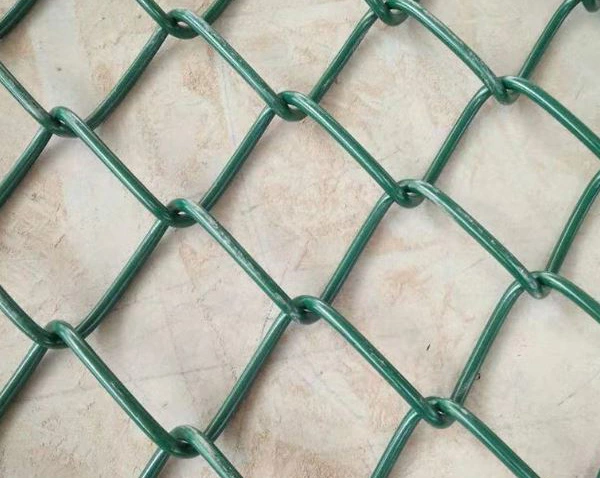
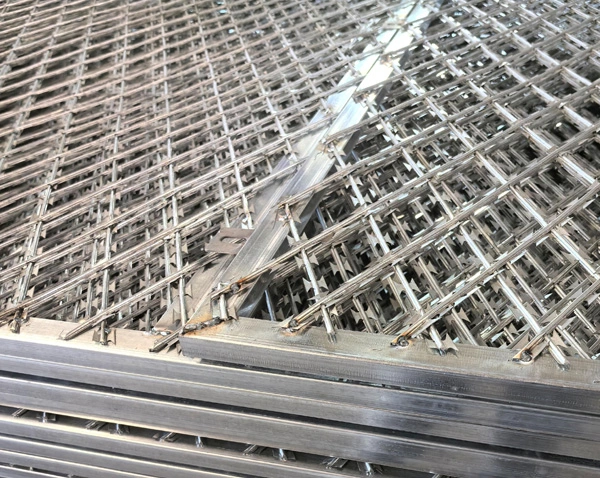
wire grid barriers, also known as wire mesh fences or security grids, are essential for safeguarding property and enhancing the overall security of an area. Proper installation and securing of these barriers are crucial to ensure their effectiveness. This document provides a detailed, step-by-step guide on how to secure wire grid barriers, covering key aspects such as preparation, installation, and maintenance.
Understanding the Importance of Wire Grid Barriers
Before delving into the technicalities of securing wire grid barriers, it is important to understand why they are necessary. Wire grid barriers serve multiple purposes, including:
- Security: They provide a physical barrier that deters unauthorized access and protects against intruders.
- Safety: They help prevent accidents by keeping people and animals away from hazardous areas.
- Aesthetics: Modern wire grid barriers can be designed to blend with the environment, enhancing the visual appeal of the area.
By recognizing the importance of wire grid barriers, you can better appreciate the need for proper installation and maintenance.
Preparation: Gathering the Necessary Tools and Materials
The first step in securing wire grid barriers is to gather all the required tools and materials. This ensures a smooth and efficient installation process. The following items are typically needed:
- Wire grid panels
- Posts (metal or wooden)
- Concrete mix (for setting posts)
- Post hole digger or auger
- Level
- Measuring tape
- Shovel
- Hammer or mallet
- Wire cutters
- Fasteners (clips, ties, or screws)
- Gloves and safety gear
Ensure that all tools and materials are in good condition and that you have enough supplies to complete the project. This will help avoid delays and ensure a high-quality installation.
Step-by-Step Installation Process
The installation of wire grid barriers involves several steps, each of which must be carefully followed to ensure the barrier is secure and effective. Here is a detailed guide:
- Site Preparation: Clear the area where the barrier will be installed. Remove any debris, vegetation, or obstacles that may interfere with the installation. Measure and mark the locations for the posts, ensuring they are evenly spaced and aligned.
- Digging Post Holes: Use a post hole digger or auger to dig holes for the posts. The depth of the holes should be approximately one-third of the total height of the post, plus an additional 6 inches for the concrete footing. For example, if your posts are 6 feet tall, the holes should be 2 feet deep.
- Setting the Posts: Place the posts in the holes and use a level to ensure they are vertical. Mix the concrete according to the manufacturer's instructions and pour it into the holes around the posts. Allow the concrete to set completely, which typically takes 24 to 48 hours.
- Attaching the Wire Grid Panels: Once the posts are securely in place, attach the wire grid panels. Start at one end and work your way along the line of posts. Use fasteners such as clips, ties, or screws to secure the panels to the posts. Ensure that the panels are taut and properly aligned.
- Securing the Ends and Corners: Pay special attention to the ends and corners of the barrier. These areas are often more vulnerable to tampering. Use additional fasteners and reinforcing materials, such as corner brackets, to ensure the barrier is secure.
- Final Inspection and Adjustments: After all the panels are in place, inspect the entire barrier for any loose or misaligned sections. Make any necessary adjustments to ensure the barrier is secure and functional.
Following these steps will result in a well-secured wire grid barrier that effectively protects the area.
Maintenance and Long-Term Care
Proper maintenance is essential to ensure the longevity and effectiveness of wire grid barriers. Regular inspections and timely repairs can prevent minor issues from becoming major problems. Here are some key maintenance tips:
- Regular Inspections: Conduct regular inspections of the barrier to check for any signs of wear, damage, or corrosion. Look for loose fasteners, damaged panels, or weakened posts.
- Cleaning: Keep the barrier clean by removing dirt, debris, and vegetation that may accumulate. This not only improves the appearance but also prevents potential damage.
- Repairs: Address any issues promptly. Replace damaged panels, tighten loose fasteners, and reinforce weak spots. This will help maintain the integrity of the barrier.
- Anti-Corrosion Treatment: If the barrier is made of metal, consider applying an anti-corrosion treatment to protect it from rust and other forms of corrosion. This can significantly extend the lifespan of the barrier.
By following these maintenance tips, you can ensure that your wire grid barrier remains secure and effective for years to come.
Conclusion
Securing wire grid barriers is a critical task that requires careful planning, proper installation, and ongoing maintenance. By understanding the importance of these barriers, gathering the necessary tools and materials, following a step-by-step installation process, and implementing regular maintenance, you can create a robust and reliable security solution. Remember, the key to a successful installation is attention to detail and a commitment to quality. With the right approach, your wire grid barrier will provide the protection and security you need.


 English
 China
China Thailand
 Malaysia
 Vietnam
 Laos
Laos Cambodia
 Pilipinas
 Indonesia
 Russian
 Portuguese
 Arabic
 Japanese
 Spanish
 Italian
 French
 German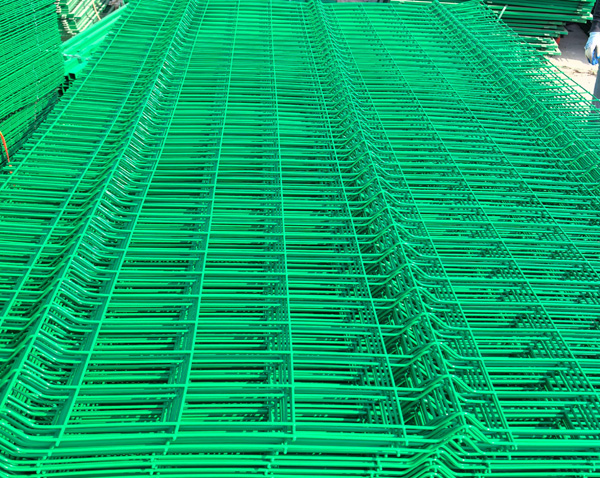

Leave a Reply