

 English
 China
China Thailand
 Malaysia
 Vietnam
 Laos
Laos Cambodia
 Pilipinas
 Indonesia
 Russian
 Portuguese
 Arabic
 Japanese
 Spanish
 Italian
 French
 German
News
- Home
- News
- Company News
sharp edge protection systems (SEPS) are essential in modern workplaces, particularly in environments where sharp edges pose a significant risk to workers. This report delves into the importance of SEPS, focusing on how they can be effectively implemented using Protective Workshop Mesh. The discussion will cover the benefits of these systems, their design considerations, and the impact they have on workplace safety. By understanding the role of SEPS, organizations can significantly reduce the risk of injuries and create a safer working environment for their employees.
One of the primary reasons for implementing Sharp Edge Protection Systems is to reduce the number of workplace injuries. Sharp edges, whether on machinery, tools, or materials, can cause serious cuts, lacerations, and even amputations. By installing protective measures, such as Protective Workshop Mesh, companies can significantly lower the risk of these types of injuries. This not only protects the workforce but also reduces the financial burden associated with medical expenses and lost productivity.
Another critical aspect of SEPS is their role in ensuring compliance with safety regulations. Many countries have strict guidelines and standards that mandate the use of protective measures in work environments. Failure to comply with these regulations can result in fines, legal action, and damage to a company's reputation. By integrating SEPS, businesses can demonstrate their commitment to worker safety and avoid potential legal issues.
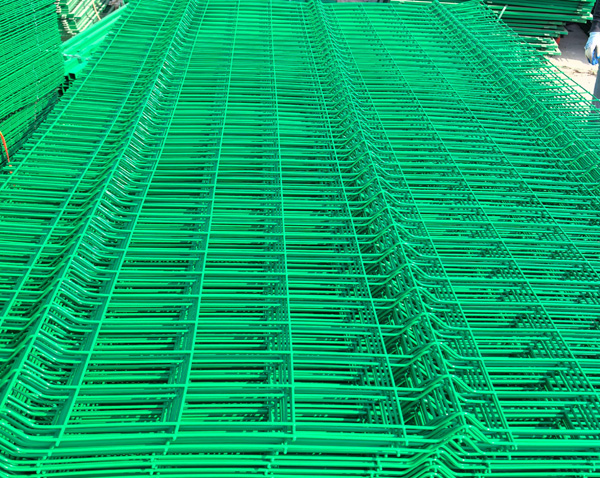
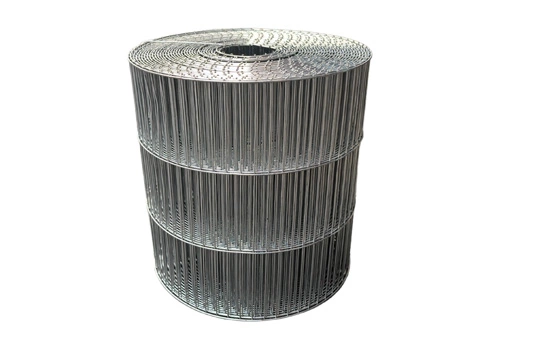
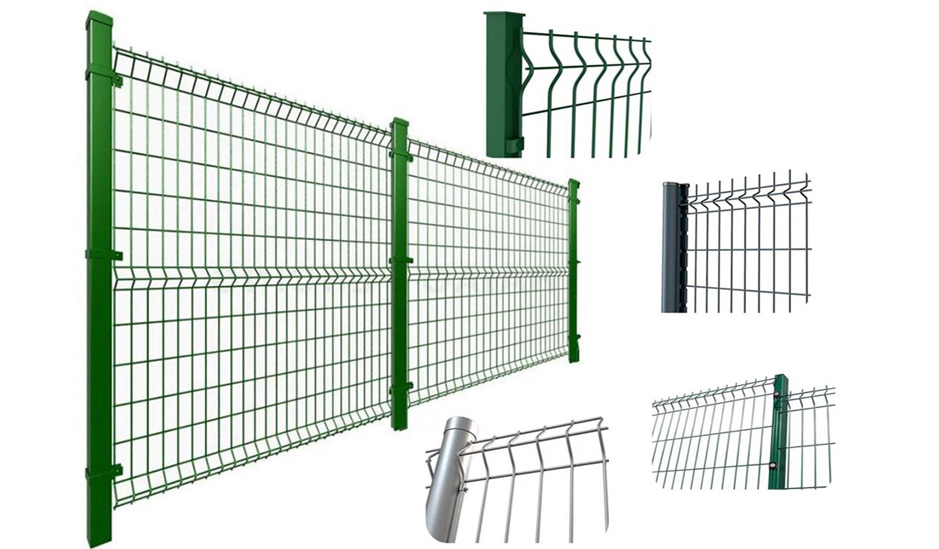
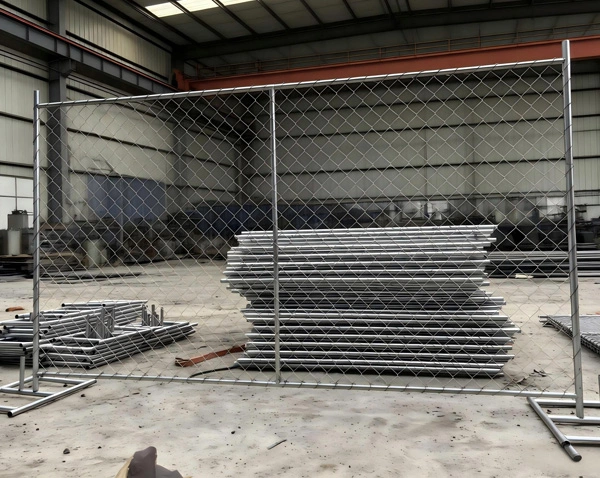
The choice of material for SEPS is crucial for both effectiveness and durability. Protective Workshop Mesh, for instance, is often made from high-strength, corrosion-resistant materials that can withstand harsh industrial conditions. These materials should be able to provide long-lasting protection without degrading over time. Additionally, the mesh should be designed to be easily replaceable, allowing for quick maintenance and minimizing downtime.
SEPS should be designed with ergonomics in mind to ensure that they do not impede the workflow or cause additional strain on workers. The Protective Workshop Mesh, for example, should be positioned in a way that it does not obstruct access to machinery or tools. It should also be lightweight and easy to handle, so that it can be installed and removed without requiring excessive effort. An ergonomic design not only enhances safety but also improves overall efficiency in the workplace.
The implementation of SEPS can lead to an enhanced awareness of safety among workers. When employees see that their employer is investing in protective measures, they are more likely to take safety seriously. This can be further reinforced through training programs that educate workers on the proper use and maintenance of SEPS. By fostering a culture of safety, companies can create a more proactive and responsible workforce.
By reducing the number of incidents and injuries, SEPS can have a positive impact on employee morale. Workers who feel safe and protected are more likely to be satisfied with their jobs and less likely to experience stress or anxiety. This, in turn, can lead to increased productivity and a more positive work environment. The reduction in incidents also means fewer disruptions to the workflow, allowing operations to run more smoothly and efficiently.
While there is an initial investment required to implement SEPS, the long-term savings can be substantial. The cost of medical expenses, workers' compensation claims, and lost productivity due to injuries can far outweigh the cost of protective measures. Additionally, the reduction in downtime and the prevention of equipment damage can further contribute to cost savings. By conducting a thorough cost-benefit analysis, companies can see the financial value in investing in SEPS.
Implementing SEPS can also lead to reduced insurance premiums and liability costs. Insurance providers often offer discounts to companies that demonstrate a strong commitment to safety. By reducing the number of incidents, companies can negotiate better rates and potentially save on their insurance premiums. Furthermore, a safer work environment can help mitigate the risk of lawsuits and other legal actions, which can be costly and damaging to a company's reputation.
Several companies have successfully implemented SEPS and seen significant improvements in workplace safety. For example, a manufacturing plant that installed Protective Workshop Mesh around its machinery reported a 50% reduction in cutting injuries within the first year. Another case study involved a construction company that used SEPS to protect workers from exposed rebar, resulting in a 70% decrease in related injuries. These examples highlight the effectiveness of SEPS when properly implemented.
To ensure the successful implementation of SEPS, several best practices should be followed. First, a comprehensive risk assessment should be conducted to identify all potential hazards. Next, the appropriate protective measures, such as Protective Workshop Mesh, should be selected based on the specific needs of the workplace. Regular maintenance and inspections are also crucial to ensure that the SEPS remain effective. Finally, ongoing training and communication with employees are essential to foster a culture of safety and continuous improvement.
Leave a Reply