

 English
 China
China Thailand
 Malaysia
 Vietnam
 Laos
Laos Cambodia
 Pilipinas
 Indonesia
 Russian
 Portuguese
 Arabic
 Japanese
 Spanish
 Italian
 French
 German
News
- Home
- News
- Company News
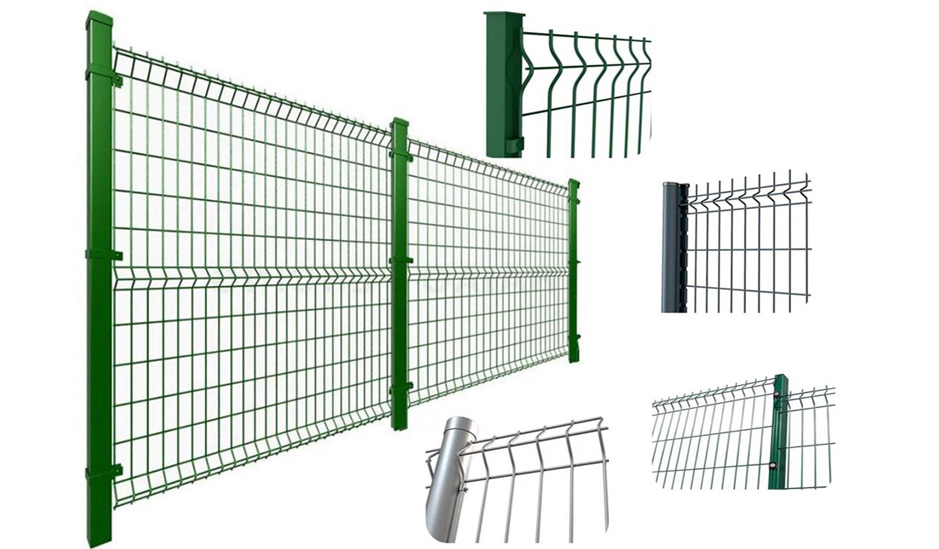
With the increasing emphasis on aesthetics and functionality in modern landscaping, the concept of a removable fence has gained significant traction. This technical report explores various designs of Removable fences that not only provide the necessary security and privacy but also blend seamlessly with the surrounding landscape. The discussion will cover aspects such as material selection, installation techniques, and design considerations to ensure that the fence complements the overall aesthetic of the property.
The choice of materials is crucial in determining both the durability and the visual appeal of a removable fence. Common materials include wood, metal, and composite materials. Each material has its own set of advantages and disadvantages. For instance, wood offers a natural and rustic look, but it requires regular maintenance to prevent rot and decay. Metal, on the other hand, is more durable and low-maintenance, but it can sometimes appear industrial and less organic. Composite materials, which are made from a combination of wood fibers and plastic, offer a balance between the two, providing a natural look with enhanced durability.
When selecting materials, it is important to consider the local climate and environmental conditions. For example, in areas with high humidity or frequent rainfall, using treated wood or rust-resistant metals may be more appropriate. Additionally, the color and texture of the material should complement the existing landscape elements, such as plants, hardscapes, and architectural features.
The installation of a removable fence should be carefully planned to ensure that it can be easily installed and removed without causing damage to the surrounding area. One common technique is the use of temporary posts and panels. These can be anchored into the ground using stakes or weights, allowing for easy removal when needed. Another approach is to use modular fencing systems, which consist of pre-fabricated sections that can be assembled and disassembled quickly.
For a more seamless integration, it is essential to consider the topography of the land. The fence should follow the natural contours of the landscape, avoiding abrupt changes in height or direction. This not only enhances the visual appeal but also ensures that the fence is stable and secure. In addition, the use of plantings and other landscaping elements can help to soften the edges of the fence, making it appear as a natural part of the environment.
The design of a removable fence should be thoughtfully considered to ensure that it blends seamlessly with the surrounding landscape. One key aspect is the height and style of the fence. A low, open-style fence, such as a picket or lattice design, can create a sense of openness while still providing some level of privacy. Taller, more solid fences, such as those made of wood or metal, can offer greater privacy but may need to be designed with decorative elements to avoid looking too imposing.
Another important consideration is the color and finish of the fence. Neutral colors, such as white, gray, or natural wood tones, tend to blend well with most landscapes. However, in some cases, a more vibrant or contrasting color can be used to create a focal point or to complement specific design elements. The finish of the fence, whether it is painted, stained, or left natural, should also be chosen to match the overall aesthetic of the property.
Finally, the use of complementary landscaping elements, such as shrubs, trees, and flower beds, can further enhance the integration of the fence into the landscape. By carefully selecting and placing these elements, the fence can become a cohesive part of the overall design, rather than an afterthought.
Modern removable fences often incorporate innovative features that enhance their functionality and ease of use. For example, some designs include built-in gates that can be easily opened and closed, providing convenient access to the property. Others may feature adjustable panels that can be repositioned to accommodate different needs, such as creating a larger or smaller enclosed area.
Additionally, some removable fences are designed with sustainability in mind. For instance, solar-powered lighting can be integrated into the fence, providing both security and ambiance without the need for additional wiring. Similarly, the use of recycled or eco-friendly materials can reduce the environmental impact of the fence while still maintaining its aesthetic and functional qualities.
Furthermore, advancements in technology have led to the development of smart fencing solutions. These systems can be controlled via smartphone apps, allowing users to monitor and manage the fence remotely. Features such as motion sensors, cameras, and alarm systems can be integrated into the fence, providing an additional layer of security and convenience.
The design and implementation of a removable fence that seamlessly integrates with the landscape require careful consideration of materials, installation techniques, and design elements. By selecting the right materials, employing effective installation methods, and incorporating thoughtful design features, a removable fence can not only serve its practical purpose but also enhance the overall aesthetic of the property. As technology continues to advance, the possibilities for innovative and sustainable fencing solutions will only continue to grow, offering homeowners and landscape designers even more options for creating beautiful and functional outdoor spaces.

Leave a Reply