

 English
 China
China Thailand
 Malaysia
 Vietnam
 Laos
Laos Cambodia
 Pilipinas
 Indonesia
 Russian
 Portuguese
 Arabic
 Japanese
 Spanish
 Italian
 French
 German
News
- Home
- News
- Company News
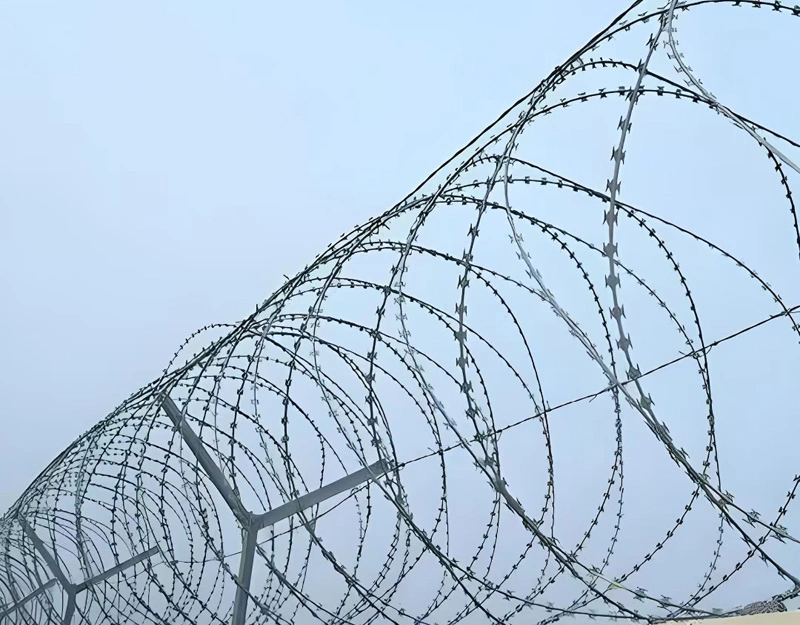
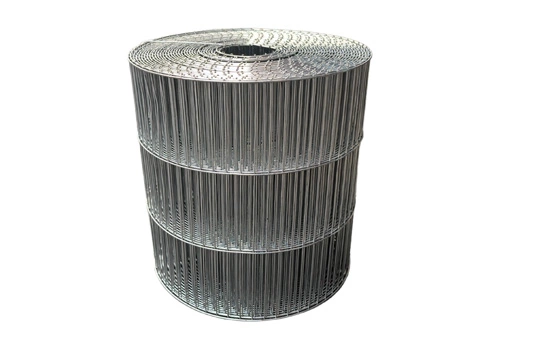
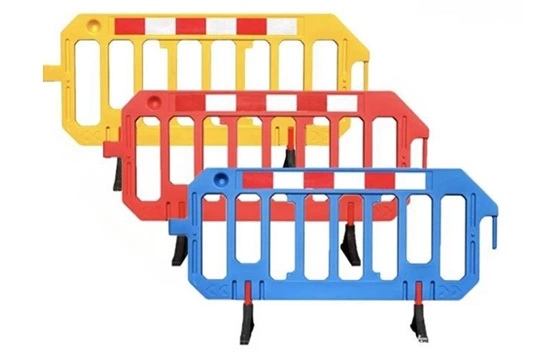
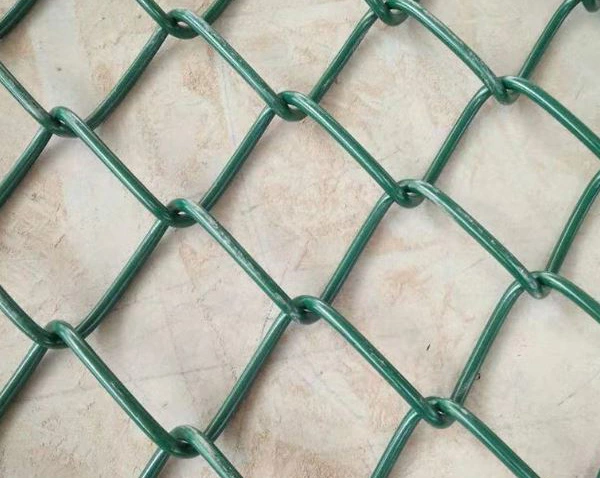
Temporary Fencing is a critical component in the broader context of industrial security, particularly when it comes to perimeter protection. This report delves into the importance of perimeter protection grids, exploring their role in safeguarding industrial sites from unauthorized access and potential threats. By analyzing the benefits, applications, and advancements in temporary fencing technology, this document aims to provide a comprehensive understanding of how these systems contribute to overall site security. The discussion will cover key aspects such as the integration of temporary fencing with other security measures, the adaptability of these solutions to different environments, and the cost-effectiveness of deploying such systems. Additionally, we will explore the regulatory requirements and best practices for implementing temporary fencing, ensuring that industrial facilities are not only secure but also compliant with industry standards.
Perimeter protection grids, including temporary fencing, serve as the first line of defense against physical intrusions. These structures are designed to deter unauthorized entry by creating a visible and physical barrier. High-quality materials and robust construction ensure that these fences can withstand attempts at breaching, thereby significantly reducing the risk of unauthorized access to the industrial site.
Temporary fencing is often integrated with other security measures such as surveillance cameras, alarm systems, and access control points. This multi-layered approach enhances the overall security posture of the industrial site. For example, the presence of temporary fencing can trigger an alarm if breached, alerting security personnel to the intrusion. Additionally, the visibility provided by the fence allows for better monitoring and response to potential threats.
One of the key advantages of temporary fencing is its adaptability to various environments and site conditions. Whether it's a construction site, a special event, or a remote industrial facility, temporary fencing can be customized to fit the specific needs of the location. This includes adjusting the height, material, and design of the fence to ensure it provides the necessary level of security while also being suitable for the environment.
Temporary fencing is designed for quick and easy installation, making it an ideal solution for situations where immediate security is required. This rapid deployment capability is particularly useful in emergency scenarios or when there is a need to secure a site on short notice. Additionally, the mobility of temporary fencing means it can be easily relocated or removed once the need for it has passed, providing flexibility in managing security resources.
While the initial investment in temporary fencing may seem significant, it is important to consider the long-term cost savings and benefits. Compared to permanent fencing, temporary fencing is often more cost-effective, especially for short-term projects or events. The ability to reuse and redeploy the fencing across multiple sites further reduces the overall cost per use, making it a financially viable option for many organizations.
Temporary fencing requires minimal maintenance, which contributes to its cost-effectiveness. Unlike permanent structures, temporary fences do not require extensive upkeep or repairs, reducing ongoing operational costs. Additionally, the durability of modern temporary fencing materials ensures a longer lifespan, further enhancing the return on investment. By choosing high-quality, durable materials, organizations can ensure that their temporary fencing remains effective and reliable over time.
Implementing temporary fencing in industrial settings must comply with relevant regulations and standards. This includes adhering to safety guidelines, building codes, and environmental regulations. Organizations should consult with local authorities and industry experts to ensure that their temporary fencing solutions meet all necessary requirements. Compliance with these standards not only ensures legal adherence but also enhances the overall security and safety of the site.
To maximize the effectiveness of temporary fencing, it is essential to follow best practices. This includes conducting a thorough risk assessment to identify potential vulnerabilities and determining the appropriate type and configuration of the fencing. Regular inspections and maintenance are also crucial to ensure the integrity of the fence. Additionally, training security personnel on the proper use and management of temporary fencing can help to optimize its performance and longevity.
Advancements in materials science and design are continuously improving the functionality and durability of temporary fencing. New materials, such as composite plastics and reinforced metals, offer enhanced strength and resistance to environmental factors. Additionally, modular designs allow for greater flexibility and ease of installation, making it easier to customize and deploy temporary fencing solutions to meet specific needs.
The integration of smart technologies, such as IoT (Internet of Things) sensors and AI (Artificial Intelligence), is transforming the capabilities of temporary fencing. These technologies enable real-time monitoring and automated responses to potential breaches, enhancing the overall security of the perimeter. For example, sensors can detect and report any tampering or damage to the fence, while AI algorithms can analyze data to predict and prevent security incidents. This integration of advanced technologies is expected to drive the future of temporary fencing and perimeter protection grids.

Leave a Reply