

 English
 China
China Thailand
 Malaysia
 Vietnam
 Laos
Laos Cambodia
 Pilipinas
 Indonesia
 Russian
 Portuguese
 Arabic
 Japanese
 Spanish
 Italian
 French
 German
News
- Home
- News
- Company News
The debate between choosing a metal fence mesh or traditional fencing has been ongoing for years. Both options offer unique advantages, yet they also come with their own set of drawbacks. This report aims to provide a comprehensive comparison to help you make an informed decision based on your specific needs and preferences.
When it comes to the initial investment, metal fence mesh generally offers a more cost-effective solution compared to traditional materials like wood or brick. The affordability of metal fence mesh is primarily due to its manufacturing process, which is less labor-intensive and utilizes fewer resources. Additionally, installation costs for metal fence mesh are typically lower because it is lighter and easier to handle than heavier, bulkier alternatives.
One of the most significant long-term economic benefits of metal fence mesh lies in its low maintenance requirements. Unlike wooden fences, which require regular painting, sealing, and replacement of rotting sections, metal fence mesh is highly resistant to corrosion and weathering. This means that over time, homeowners can save substantially on maintenance and repair costs by opting for a metal fence mesh solution.
Considering the total cost of ownership, including purchase, installation, and maintenance, metal fence mesh often provides a better value proposition than traditional fencing. Its durability ensures that it will last longer without needing replacement, thereby reducing the overall lifetime cost. Furthermore, the increased security and aesthetic appeal provided by metal fence mesh can enhance property values, making it a wise financial investment.
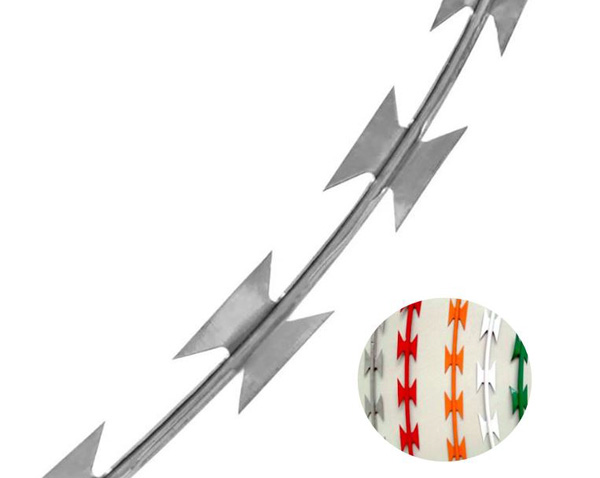
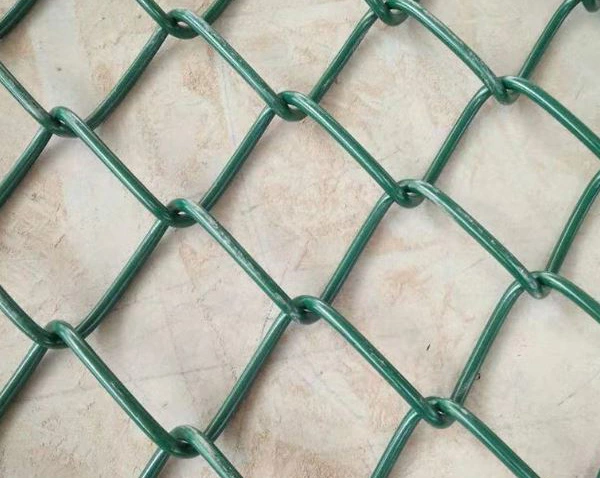
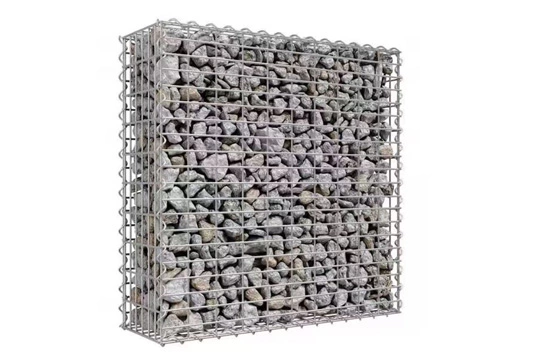
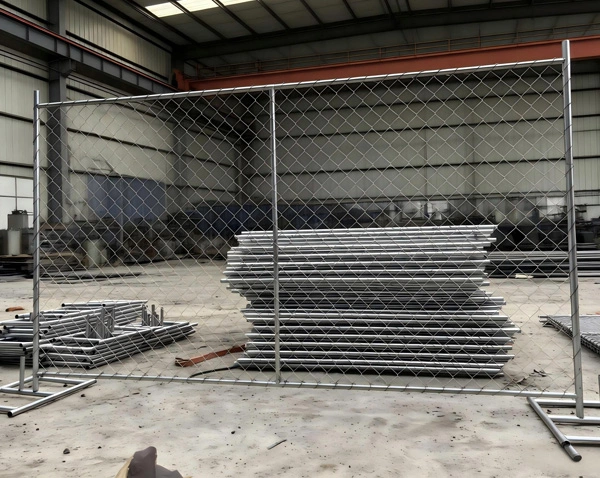
Metal fence mesh boasts a high degree of design flexibility, allowing for various customization options that can complement any architectural style. From sleek, modern designs to more intricate patterns, metal fence mesh can be tailored to meet specific aesthetic requirements. In contrast, traditional fencing materials may have limitations in terms of design versatility, especially when trying to achieve a particular look or blend seamlessly with existing structures.
One of the key functional differences between metal fence mesh and traditional fencing is how they manage visibility and privacy. Metal fence mesh can be designed to offer varying levels of transparency, enabling homeowners to maintain a sense of openness while still providing a secure barrier. On the other hand, traditional solid fences, such as those made from wood or concrete, tend to create a more enclosed and private environment, but at the expense of natural light and visual connection to the surroundings.
Integrating a fence into the landscape and outdoor living spaces is another area where metal fence mesh shines. Its lightweight and adaptable nature make it easy to incorporate into gardens, patios, and pathways without overwhelming the natural beauty of the space. Traditional fences, particularly those made from heavy materials, might require more substantial foundations and can sometimes dominate the landscape, potentially detracting from the overall aesthetics of the outdoor area.
In terms of physical security, metal fence mesh offers robust protection against unauthorized access. Its strong, interlocking structure makes it difficult to breach, providing a reliable deterrent against potential intruders. While traditional fences, especially wooden ones, can be vulnerable to damage from forceful impacts or weather conditions, metal fence mesh maintains its integrity under similar circumstances.
Metal fence mesh demonstrates exceptional resilience against harsh weather conditions, including extreme temperatures, heavy rainfall, and strong winds. Unlike wood, which can warp, rot, or decay over time, metal fence mesh remains stable and durable, ensuring long-lasting performance. This feature is particularly important in regions prone to severe weather events, where maintaining the structural integrity of the fence is crucial for safety and security.
From a longevity perspective, metal fence mesh outperforms many traditional fencing options. It does not succumb to common issues like insect infestations, moisture damage, or UV degradation, all of which can significantly shorten the lifespan of other materials. Moreover, the minimal maintenance required for metal fence mesh, such as occasional cleaning and inspection, further contributes to its extended service life and reduced lifecycle costs.
Choosing between metal fence mesh and traditional fencing ultimately depends on your specific needs, budget, and aesthetic preferences. However, considering the economic, aesthetic, and security benefits, metal fence mesh emerges as a compelling choice for many homeowners. By offering a cost-effective, versatile, and durable solution, metal fence mesh not only enhances the functionality and appearance of your property but also provides peace of mind through its superior security features.


Leave a Reply