

 English
 China
China Thailand
 Malaysia
 Vietnam
 Laos
Laos Cambodia
 Pilipinas
 Indonesia
 Russian
 Portuguese
 Arabic
 Japanese
 Spanish
 Italian
 French
 German
News
- Home
- News
- Company News
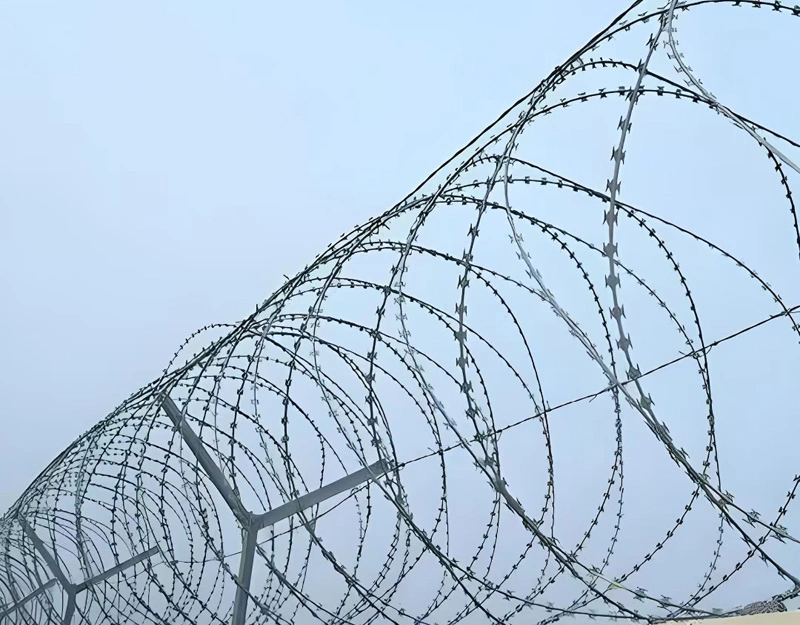
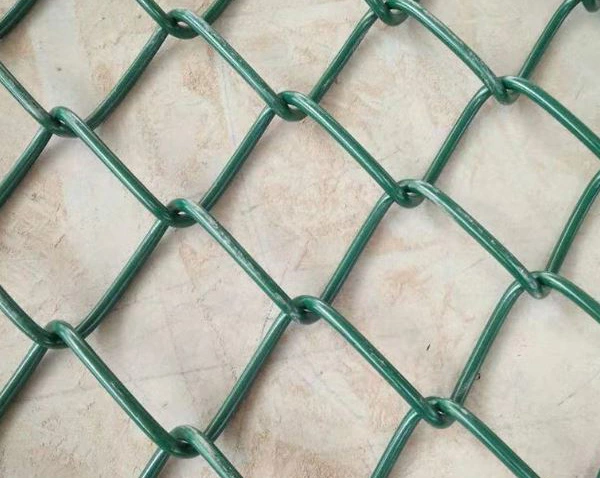
Ensuring the safety of workers and the general public in industrial environments is a top priority. One effective solution that has gained significant attention is the use of industrial fence panels. These panels not only serve as physical barriers but also play a crucial role in enhancing traffic safety. This report delves into how industrial fence panels can maximize safety, focusing on their design, installation, and maintenance. Additionally, it explores the integration of these panels with other traffic safety products to create a comprehensive safety system. By understanding the benefits and best practices associated with industrial Fence panels, stakeholders can make informed decisions to improve overall safety standards.
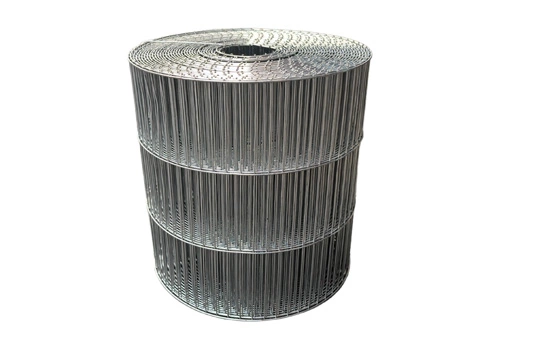
When it comes to designing industrial fence panels, the choice of materials is paramount. High-quality materials such as steel or aluminum are often preferred due to their durability and resistance to environmental factors. These materials ensure that the fence panels can withstand harsh conditions, including extreme weather and potential impacts from vehicles. Moreover, the use of corrosion-resistant coatings further enhances the lifespan of the panels, reducing the need for frequent replacements and maintenance.
Another critical aspect of design is the ergonomic considerations. Industrial fence panels should be designed to provide clear visibility for both workers and drivers. This can be achieved through the use of see-through materials or strategically placed openings. Additionally, the height and spacing of the panels should be carefully planned to ensure easy access for maintenance and inspection. By prioritizing visibility and accessibility, industrial fence panels can contribute significantly to traffic safety product effectiveness.
Before installing industrial fence panels, a thorough site assessment is essential. This involves evaluating the specific needs of the area, such as the level of security required, the presence of potential hazards, and the flow of traffic. Proper planning ensures that the fence panels are installed in the most effective locations, providing maximum protection without impeding the movement of people and vehicles. A well-planned installation also takes into account the integration of other traffic safety products, such as signage and barriers, to create a cohesive safety system.
Once the site assessment is complete, professional installation is crucial. Skilled technicians should follow industry standards and guidelines to ensure that the fence panels are securely anchored and properly aligned. This includes using appropriate fasteners and ensuring that the panels are level and stable. Compliance with local regulations and safety standards is also essential to avoid any legal issues and to guarantee the highest level of safety. Professional installation not only enhances the effectiveness of the fence panels but also minimizes the risk of accidents and injuries.
To maintain the long-term reliability of industrial fence panels, regular inspections are necessary. These inspections should be conducted by trained personnel who can identify any signs of wear, damage, or potential weaknesses. Prompt repairs should be carried out to address any issues, such as loose fasteners, damaged sections, or deteriorating coatings. Regular maintenance ensures that the fence panels remain in optimal condition, providing continuous protection and contributing to the overall effectiveness of the traffic safety product.
In addition to inspections and repairs, regular cleaning and the application of protective coatings are important for maintaining the integrity of the fence panels. Cleaning removes dirt, debris, and contaminants that can accumulate over time and affect the appearance and performance of the panels. Applying protective coatings, such as anti-corrosion treatments, helps to prevent rust and other forms of degradation. These maintenance practices extend the lifespan of the fence panels and ensure that they continue to function effectively as a key component of the traffic safety product system.
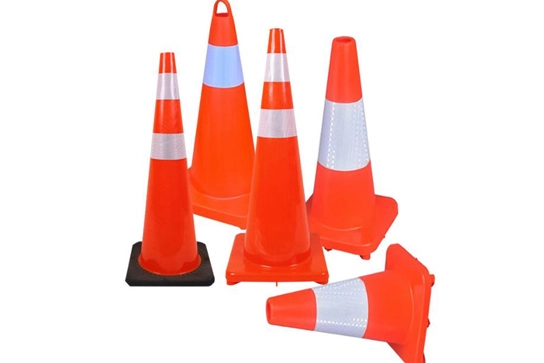
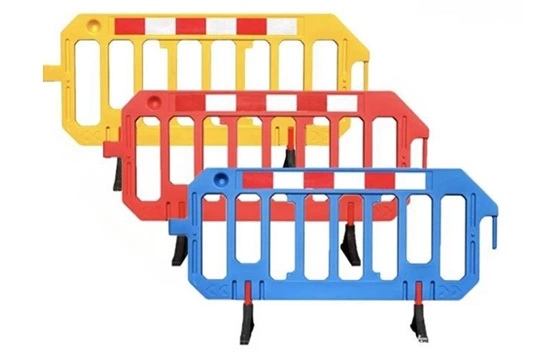
Industrial fence panels can be integrated with other traffic safety products to create a comprehensive safety system. For example, the use of signage in conjunction with fence panels can provide clear instructions and warnings to drivers and pedestrians. This combination enhances visibility and communication, reducing the likelihood of accidents. Similarly, the strategic placement of barriers, such as bollards or crash cushions, can complement the fence panels by providing additional layers of protection. By integrating these elements, the overall safety of the environment can be significantly improved.
Advancements in technology have also led to the development of smart traffic safety products. These include monitoring systems that can detect and respond to various safety concerns in real-time. For instance, sensors and cameras can be installed along the fence panels to monitor traffic flow, detect intrusions, and alert authorities in case of emergencies. The data collected from these systems can be used to make informed decisions and implement proactive measures to enhance safety. By leveraging smart technology, industrial fence panels can become an integral part of a dynamic and responsive safety system.
While the initial investment in high-quality industrial fence panels may seem significant, the long-term cost savings can be substantial. Durable and well-maintained fence panels require fewer replacements and repairs, reducing ongoing maintenance costs. Additionally, the prevention of accidents and injuries can lead to significant savings in terms of medical expenses, legal liabilities, and operational disruptions. By investing in reliable and effective fence panels, organizations can achieve long-term financial benefits while ensuring the safety of their workforce and the public.
Implementing robust traffic safety measures, including the use of industrial fence panels, can also enhance an organization's reputation. Demonstrating a commitment to safety can improve stakeholder confidence and attract more business opportunities. Furthermore, compliance with safety regulations and standards is essential for avoiding fines and legal penalties. By prioritizing the use of high-quality traffic safety products, organizations can build a positive image and ensure that they meet all regulatory requirements, thereby protecting their interests and those of their stakeholders.

Leave a Reply