

 English
 China
China Thailand
 Malaysia
 Vietnam
 Laos
Laos Cambodia
 Pilipinas
 Indonesia
 Russian
 Portuguese
 Arabic
 Japanese
 Spanish
 Italian
 French
 German
News
- Home
- News
- Company News
wire mesh, a versatile material traditionally used in industrial and agricultural settings, has found its way into the realm of modern architectural design. This technical report explores innovative uses of wire mesh, with a particular focus on plastic wire mesh, to highlight how this material is transforming building aesthetics, functionality, and sustainability. We will delve into three main areas: the aesthetic versatility of wire mesh, its functional advantages, and its contribution to sustainable design. Through an analysis of these aspects, we aim to provide architects and designers with valuable insights into the potential of wire mesh as a creative and practical solution in contemporary architecture.
One of the most compelling features of wire mesh, including plastic wire mesh, is its ability to create unique visual textures. The interplay of light and shadow through the mesh can transform spaces, adding depth and dimension. This effect is particularly pronounced when natural or artificial light passes through the mesh, casting intricate patterns that change throughout the day. Plastic wire mesh, due to its lightweight and flexible nature, allows for more dynamic designs, enabling architects to experiment with various shapes and forms. The result is a visually striking facade or interior element that enhances the overall aesthetic appeal of the building.
Another aspect of wire mesh's aesthetic versatility lies in its color and customization options. Plastic wire mesh, in particular, can be manufactured in a wide range of colors, allowing it to complement or contrast with the surrounding environment. This flexibility in color choices enables architects to integrate the mesh seamlessly into their design, whether it’s a bold statement or a subtle accent. Additionally, the material can be easily cut, bent, and shaped, providing endless possibilities for custom designs. This level of customization ensures that each project can have a unique and personalized touch, making the use of wire mesh a highly attractive option for designers seeking to create distinctive and memorable spaces.
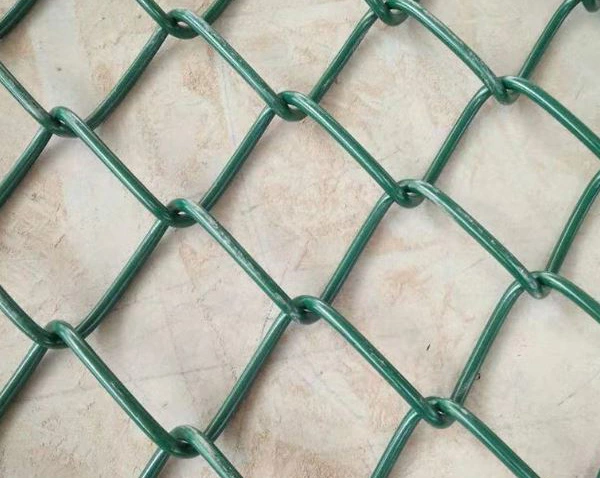
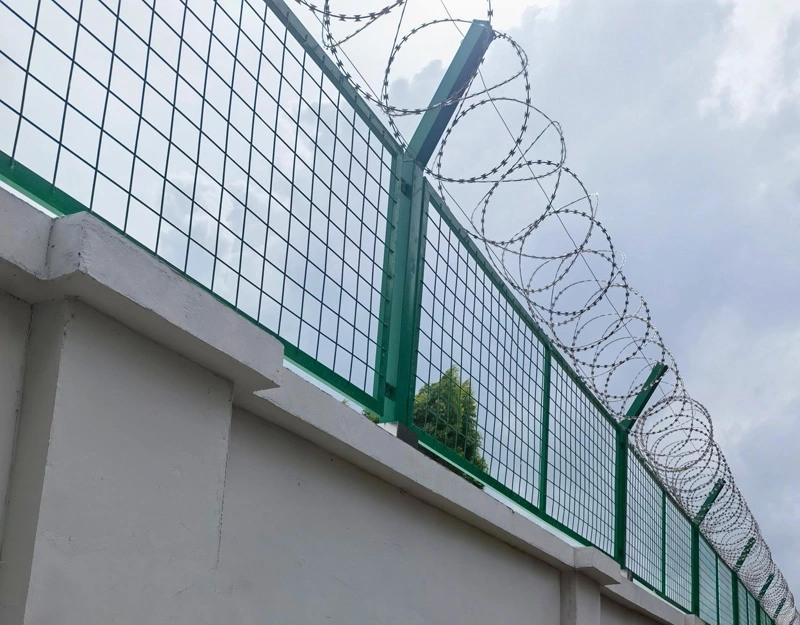
Wire mesh, especially when made from high-quality materials like plastic, offers significant structural integrity and durability. Plastic wire mesh is resistant to corrosion, rust, and other environmental factors that can degrade traditional metal meshes. This makes it an ideal choice for both indoor and outdoor applications, where exposure to the elements is a concern. The robustness of plastic wire mesh also means it can withstand heavy loads and impacts, making it suitable for use in security fencing, balustrades, and even load-bearing structures. Its durability ensures a long lifespan, reducing the need for frequent replacements and maintenance, which can be a significant cost-saving factor over time.
The functional advantages of wire mesh extend beyond its structural properties. It can be used in a variety of applications within building design, from facades and cladding to interior partitions and ceiling systems. For example, plastic wire mesh can be used as a sunshade, providing shade and reducing heat gain in buildings. This not only improves energy efficiency but also enhances occupant comfort. Additionally, the open structure of the mesh allows for natural ventilation, further contributing to a comfortable and healthy indoor environment. In terms of safety, wire mesh can be used as a protective barrier, such as in staircases and balconies, without compromising the overall design. These diverse applications demonstrate the material's adaptability and its potential to meet a wide range of functional requirements in modern architecture.
Plastic wire mesh is an eco-friendly alternative to traditional metal meshes, as it is often made from recycled materials and is fully recyclable at the end of its life. This closed-loop lifecycle reduces waste and minimizes the environmental impact of the material. Additionally, the production process for plastic wire mesh typically requires less energy and fewer resources compared to metal meshes, making it a more sustainable choice. By choosing plastic wire mesh, architects and designers can contribute to a more circular economy and reduce the carbon footprint of their projects. This aligns with the growing trend in the construction industry towards sustainable and environmentally responsible practices.
Wire mesh, including plastic wire mesh, can play a crucial role in improving the energy efficiency and thermal performance of buildings. As mentioned earlier, the material can be used as a sunshade, which helps to block direct sunlight and reduce heat gain. This, in turn, lowers the demand for air conditioning and reduces energy consumption. Furthermore, the open structure of the mesh allows for natural ventilation, which can help to maintain a comfortable indoor temperature without the need for mechanical cooling. In colder climates, wire mesh can also be used to create windbreaks, reducing heat loss and improving the overall thermal performance of the building. These energy-efficient properties make wire mesh a valuable component in the design of sustainable and energy-efficient buildings.

Leave a Reply