

 English
 China
China Thailand
 Malaysia
 Vietnam
 Laos
Laos Cambodia
 Pilipinas
 Indonesia
 Russian
 Portuguese
 Arabic
 Japanese
 Spanish
 Italian
 French
 German
News
- Home
- News
- Company News
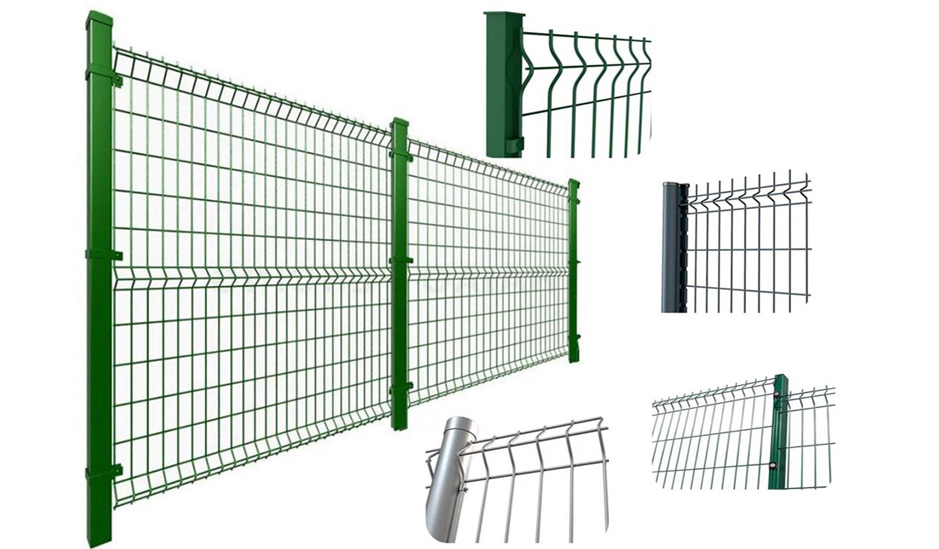
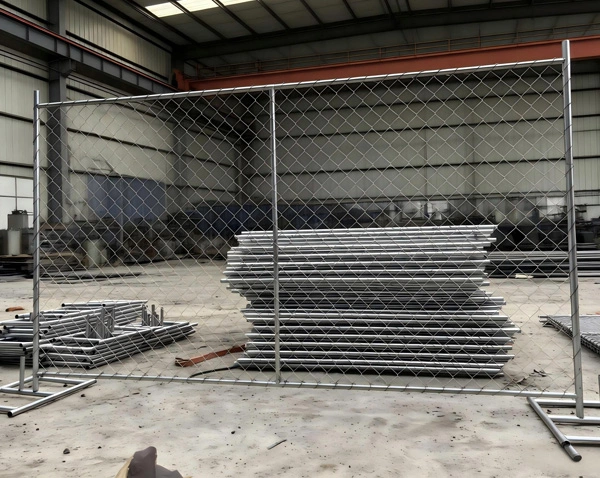
In the realm of industrial and manufacturing settings, ensuring the safety of workers is paramount. One key element in maintaining a secure environment is the implementation of effective Workshop Safety Barriers. This report delves into the innovative materials being utilized in the design of these critical safety components, exploring how advancements in material science are leading to safer, more durable, and efficient protective measures.
The core of any successful Workshop Safety Barrier lies in its construction. Modern technological developments have introduced a range of new materials that offer superior performance over traditional options. These materials not only enhance the physical durability and resistance of the barriers but also contribute to their adaptability and ease of use.
Composite materials, such as fiberglass reinforced polymers (FRPs), have become increasingly popular due to their exceptional strength-to-weight ratio. FRPs can withstand significant impacts without deforming or breaking, making them ideal for high-risk environments where heavy machinery operates. The incorporation of these composites ensures that Workshop Safety Barriers remain intact even under extreme conditions, thereby providing reliable protection to personnel and equipment.
Elastomers, including rubbers and polyurethanes, bring flexibility to the table. These materials can absorb shocks and vibrations, reducing the likelihood of injury from sudden movements or collisions. By integrating elastomeric elements into Workshop Safety Barrier designs, manufacturers can create barriers that not only prevent direct contact injuries but also mitigate the effects of indirect forces, enhancing overall safety standards within the workspace.
A growing trend in material innovation is the utilization of recycled materials. Incorporating recycled plastics, metals, and other waste products into the fabrication of Workshop Safety Barriers not only reduces environmental impact but also provides cost-effective solutions. Moreover, many recycled materials exhibit properties similar to their virgin counterparts, ensuring that the integrity and effectiveness of the safety barriers are maintained while promoting sustainability.
Beyond just the physical composition, modern Workshop Safety Barriers are being enhanced with smart technologies to provide real-time monitoring and adaptive functionalities. These technological integrations transform static barriers into dynamic systems capable of responding to changing conditions, thereby offering an additional layer of security.
Equipping Workshop Safety Barriers with sensors allows for continuous monitoring of the environment. Sensors can detect changes in temperature, pressure, or motion, alerting operators to potential hazards before they escalate. For instance, if a barrier is hit, sensors can immediately notify supervisors, enabling quick response times and minimizing risks. This proactive approach significantly improves the overall safety posture of workshops.
Building on sensor technology, some advanced Workshop Safety Barriers feature automated response mechanisms. When a threat is detected, these barriers can automatically adjust their position, close off access points, or activate warning signals. Such automation reduces human error and reaction time, ensuring that protective measures are always in place when needed. This level of responsiveness is crucial in fast-paced industrial environments where every second counts.
The data collected by smart Workshop Safety Barriers can be analyzed to identify patterns and trends. By leveraging big data and analytics, companies can gain insights into common safety issues, areas of frequent incidents, and the effectiveness of current safety protocols. This information is invaluable for making informed decisions about future improvements and investments in safety infrastructure, ultimately leading to a safer working environment.
In conclusion, the evolution of Workshop Safety Barrier design is driven by both material innovations and the integration of smart technologies. Enhanced durability, improved flexibility, and sustainable practices, coupled with sensor-enabled monitoring, automated responses, and data-driven decision-making, are collectively contributing to a new era of workplace safety. As these advancements continue to develop, it is expected that the incidence of workplace accidents will decrease, and the overall well-being of employees will improve, making workshops safer and more efficient places to work.





Leave a Reply