

 English
 China
China Thailand
 Malaysia
 Vietnam
 Laos
Laos Cambodia
 Pilipinas
 Indonesia
 Russian
 Portuguese
 Arabic
 Japanese
 Spanish
 Italian
 French
 German
News
- Home
- News
- Company News
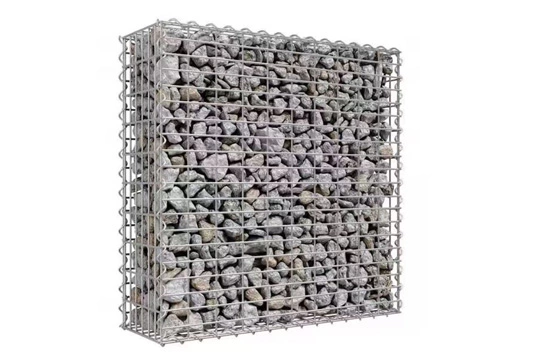
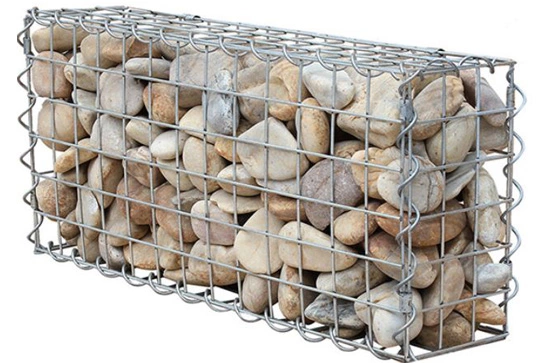
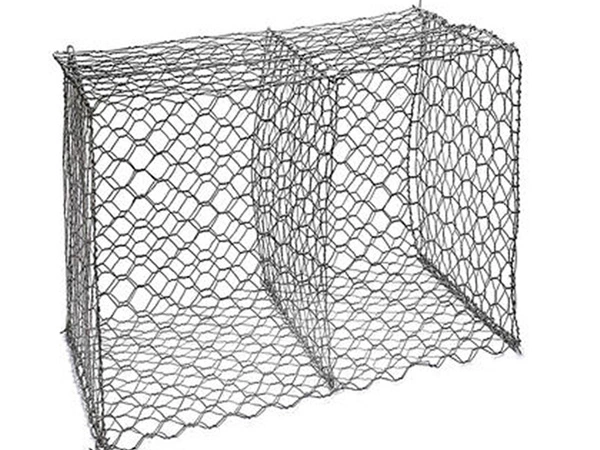
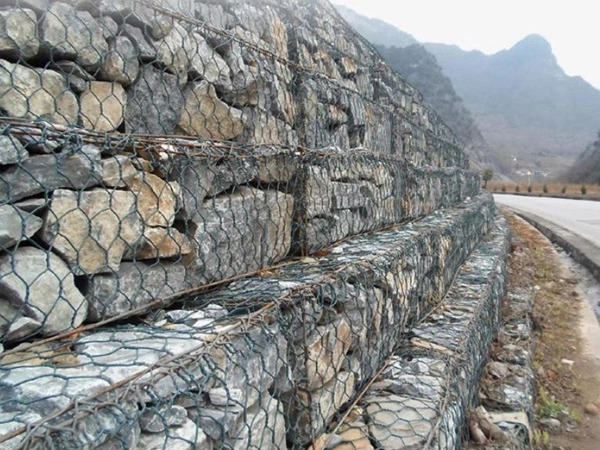
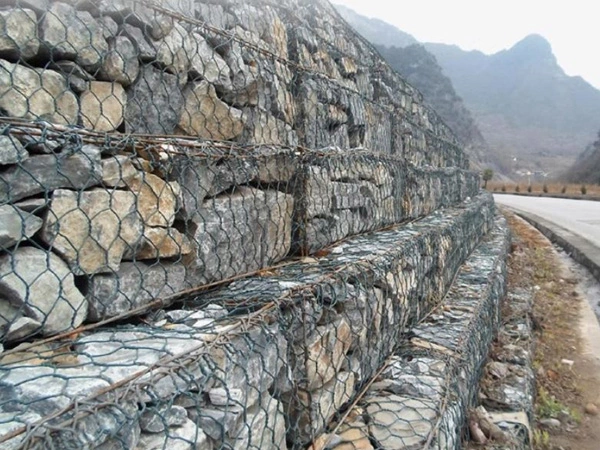
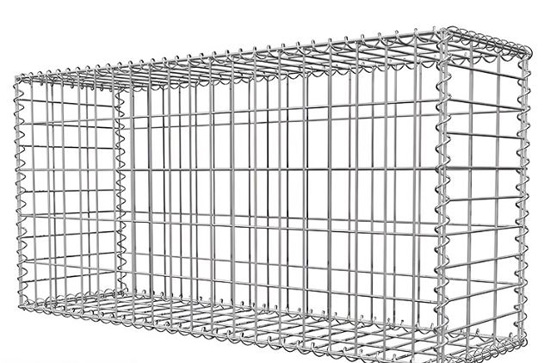
Gabions, traditionally known as wire mesh containers filled with rock or concrete, have been a staple in civil engineering and landscaping for centuries. However, the evolution of gabion design has brought about significant advancements that not only enhance their functionality but also contribute to sustainable landscaping solutions. This report explores several key innovations in gabion technology, focusing on how these developments are transforming the way we approach environmental challenges and aesthetic considerations in modern landscaping.
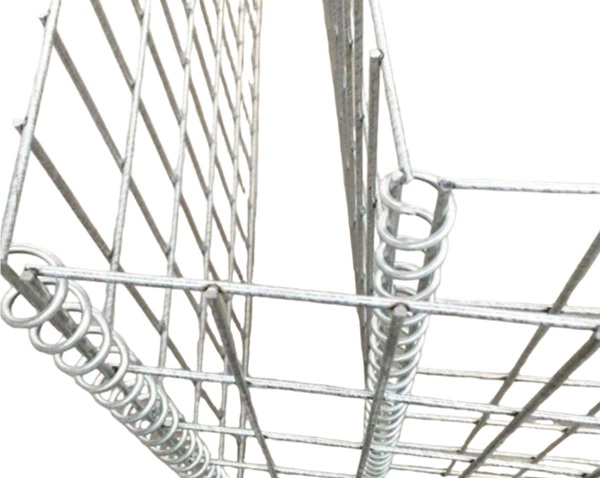
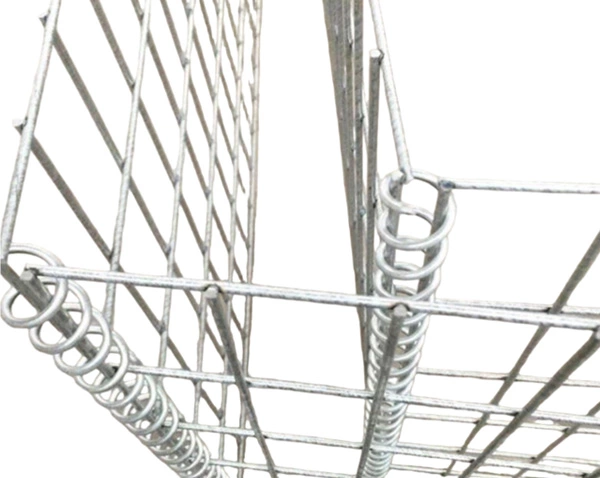
The first major innovation in gabion design lies in the materials and construction techniques used to create more durable and structurally sound structures. Traditional gabions were primarily made from galvanized steel wires, which, while effective, could be prone to corrosion over time, especially in marine environments. Modern gabions now incorporate advanced coatings such as PVC, Galfan (a zinc-aluminum alloy), and even stainless steel, significantly extending their lifespan. These new materials provide better resistance to corrosion, making gabions suitable for a wider range of applications, including coastal protection and riverbank stabilization. Additionally, the use of high-strength, low-alloy steels in the manufacturing process has resulted in gabions that can withstand greater loads and pressures, ensuring long-term stability and reducing the need for frequent maintenance or replacement.
Another significant advancement in gabion design is the integration of sustainable and eco-friendly materials. In response to growing environmental concerns, manufacturers have started using recycled materials, such as reclaimed metals and plastics, to produce gabion baskets. This not only reduces the environmental footprint of the gabions themselves but also promotes the circular economy by repurposing waste materials. Furthermore, the fill material within the gabions is no longer limited to traditional rocks and concrete. Innovative designs now incorporate natural and locally sourced materials like gravel, sand, and even organic matter, such as wood chips or biochar. These alternatives not only reduce the carbon footprint associated with transportation and sourcing but also enhance the ecological value of the gabion structure. For example, using biochar as a fill material can improve soil quality and water retention, benefiting plant growth and biodiversity in the surrounding area.
Traditionally, gabions were viewed primarily as functional elements, often lacking in aesthetic appeal. However, recent innovations have transformed gabions into versatile and visually appealing landscape features. One of the most notable advancements is the development of decorative gabions, which come in a variety of shapes, sizes, and colors. These decorative gabions can be used to create unique and attractive retaining walls, seating areas, and even sculptures, blending seamlessly with the natural environment. The use of different fill materials, such as colored glass, pebbles, or even LED lights, allows for creative and eye-catching designs that can enhance the overall aesthetic of a landscape. Additionally, the flexibility of modern gabion systems enables designers to create curved, sloped, or irregularly shaped structures, providing greater design freedom and allowing for more dynamic and engaging outdoor spaces. This combination of functionality and aesthetics makes gabions an increasingly popular choice for both commercial and residential landscaping projects.
Beyond their structural and aesthetic advantages, modern gabions offer significant hydrological and ecological benefits. Gabions are inherently permeable, allowing water to flow through them, which helps to prevent erosion and manage stormwater runoff. This permeability also promotes groundwater recharge, which is crucial for maintaining healthy ecosystems. In addition, the voids within the gabions provide habitat for various aquatic and terrestrial species, enhancing biodiversity. By incorporating native plants and vegetation into the gabion structure, designers can create living walls and green facades that not only improve the visual appeal of the landscape but also support local wildlife. These living gabions can serve as vertical gardens, providing additional green space in urban environments and contributing to air purification and temperature regulation. Moreover, the use of gabions in riparian zones and wetlands can help to restore and protect these critical ecosystems, ensuring their long-term sustainability.
In conclusion, the innovations in gabion design have significantly expanded their potential applications and benefits in sustainable landscaping. Enhanced durability and structural integrity, the integration of sustainable materials, aesthetic enhancements, and hydrological and ecological benefits are just a few of the ways in which modern gabions are transforming the field. As the demand for environmentally friendly and aesthetically pleasing landscaping solutions continues to grow, gabions are poised to play an increasingly important role in creating resilient, beautiful, and ecologically rich outdoor spaces. By embracing these advancements, designers and engineers can leverage gabions to address a wide range of environmental and aesthetic challenges, contributing to a more sustainable and harmonious built environment.

Leave a Reply