

 English
 China
China Thailand
 Malaysia
 Vietnam
 Laos
Laos Cambodia
 Pilipinas
 Indonesia
 Russian
 Portuguese
 Arabic
 Japanese
 Spanish
 Italian
 French
 German
News
- Home
- News
- Company News
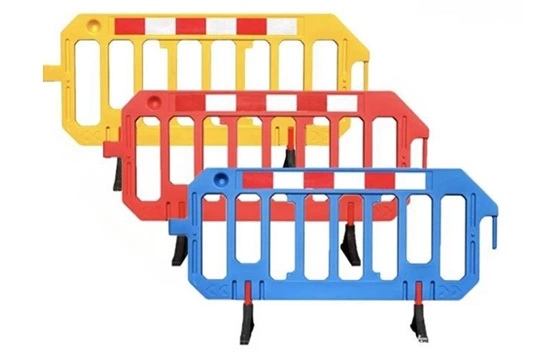
In the realm of road safety and infrastructure, the continuous evolution of materials and design principles plays a crucial role in enhancing the visibility and durability of traffic management solutions. This report delves into the latest advancements in flexible warning column (FWC) design, with a particular focus on how coated metal fencing material can contribute to these innovations. We will explore the benefits of using such materials in FWCs, from improved visibility during both day and night to increased durability under harsh environmental conditions. Additionally, we will discuss the integration of smart technologies that can further enhance the functionality and effectiveness of these columns, ensuring safer roads for all users.
One of the primary functions of flexible warning columns is to alert drivers and pedestrians to potential hazards or changes in the road layout. Coated metal fencing material, with its high reflectivity and bright colors, significantly improves the daytime visibility of FWCs. The reflective coating ensures that the columns are easily noticeable even in bright sunlight, reducing the risk of accidents caused by poor visibility. Moreover, the use of vibrant colors, such as fluorescent yellow or orange, helps to draw attention to the columns, making them more effective in guiding traffic and pedestrians.
At night, the visibility of FWCs becomes even more critical. Coated metal fencing material, when combined with high-quality reflective tapes or coatings, can dramatically increase the nighttime visibility of the columns. These reflective elements ensure that the columns are visible to drivers from a distance, even in low-light conditions. The reflective properties of the coating help to bounce back the light from vehicle headlights, creating a bright and clear visual signal. This not only enhances safety but also reduces the need for additional lighting, which can be costly and energy-intensive.
Coated metal fencing material is known for its exceptional resistance to various environmental factors, including UV radiation, moisture, and temperature fluctuations. This makes it an ideal choice for FWCs, which are often exposed to harsh outdoor conditions. The protective coating on the metal surface prevents corrosion and degradation, ensuring that the columns remain in good condition over an extended period. This durability is crucial for maintaining the effectiveness of FWCs and reducing the frequency of maintenance and replacement, which can be both time-consuming and costly.
Another key advantage of using coated metal fencing material in FWCs is its impact resistance and flexibility. Flexible warning columns are designed to bend upon impact, minimizing damage to vehicles and the columns themselves. The coated metal material provides the necessary strength and flexibility to withstand minor impacts without breaking or deforming. This feature not only enhances the longevity of the columns but also reduces the risk of injury to drivers and passengers in the event of a collision. The combination of strength and flexibility makes coated metal fencing material an excellent choice for FWCs in high-traffic areas.
Advancements in technology have opened up new possibilities for integrating smart features into FWCs. By incorporating sensors and real-time monitoring systems, FWCs can provide valuable data on traffic patterns, weather conditions, and other relevant information. For example, smart sensors can detect when a column has been hit and automatically send an alert to the appropriate authorities. This allows for quick response and maintenance, ensuring that the columns remain functional and effective. Additionally, real-time monitoring can help to identify areas with high accident rates, enabling targeted interventions to improve road safety.
Another innovative feature that can be integrated into FWCs is LED lighting. Coated metal fencing material can be equipped with solar-powered LED lights, which provide additional visibility at night and in low-light conditions. These lights can be programmed to turn on automatically at dusk and off at dawn, or they can be activated by motion sensors to conserve energy. The use of solar power eliminates the need for external power sources, making the columns more sustainable and cost-effective. LED lights also have a longer lifespan compared to traditional lighting, reducing the need for frequent replacements and maintenance.
By using coated metal fencing material in FWCs, maintenance costs can be significantly reduced. The durable and long-lasting nature of the material means that the columns require less frequent replacement and repair. This not only saves money but also reduces the environmental impact associated with the production and disposal of new materials. Additionally, the use of smart technologies, such as real-time monitoring and automatic alerts, can help to optimize maintenance schedules and reduce the need for manual inspections. This leads to more efficient and cost-effective management of FWCs.
The use of coated metal fencing material in FWCs aligns with sustainable practices in road safety and infrastructure. The material is recyclable and can be repurposed at the end of its life cycle, reducing waste and promoting a circular economy. Furthermore, the integration of solar-powered LED lights and smart technologies contributes to energy efficiency and sustainability. By adopting these innovative solutions, communities can enhance road safety while minimizing their environmental footprint. This holistic approach to FWC design and implementation ensures that the benefits of improved visibility and durability are achieved in an environmentally responsible manner.
Leave a Reply