

 English
 China
China Thailand
 Malaysia
 Vietnam
 Laos
Laos Cambodia
 Pilipinas
 Indonesia
 Russian
 Portuguese
 Arabic
 Japanese
 Spanish
 Italian
 French
 German
News
- Home
- News
- Company News
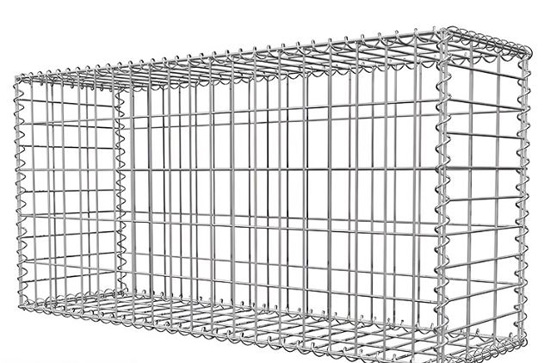
heavy duty mesh barrier sections are a critical component in various industrial, commercial, and public safety applications. These barriers serve multiple purposes, from protecting workers on construction sites to demarcating areas for crowd control. As the demand for more durable and versatile solutions increases, so does the need for innovation within the design of these heavy duty mesh barriers. This report explores some of the latest advancements in heavy duty mesh barrier design, focusing particularly on how these innovations contribute to increased durability.
One of the primary ways that manufacturers have been able to significantly enhance the longevity of heavy duty mesh barrier sections is through the careful selection of materials. Traditionally, steel has been the go-to material due to its strength and relatively low cost. However, recent developments in metallurgy have introduced new alloys that offer superior resistance to corrosion, impact, and wear. For instance, the use of stainless steel or aluminum coated with anti-corrosive layers not only extends the lifespan of the barriers but also reduces maintenance costs over time. Additionally, incorporating elements like carbon fiber into the design can provide extra reinforcement without adding significant weight, making it easier to transport and install these barriers in various environments.
Beyond just the base material, applying innovative coatings and treatments to heavy duty mesh barrier sections plays an essential role in enhancing their durability. One such advancement involves the use of nanotechnology-based coatings. These ultra-thin layers can be applied to the surface of the metal, providing a barrier against environmental factors such as UV radiation, moisture, and chemical exposure. Moreover, these coatings often possess self-healing properties, which means that minor scratches or abrasions can repair themselves, thus maintaining the integrity of the barrier over longer periods. Another notable treatment is thermal spray coating, which involves spraying molten or heated materials onto the surface of the mesh. This process creates a robust, protective layer that can withstand extreme temperatures and physical impacts, further extending the life expectancy of the barrier.
Improvements in design are another area where significant strides have been made towards increasing the durability of heavy duty mesh barrier sections. Modern designs now incorporate advanced engineering principles to create structures that are both lightweight and incredibly strong. By optimizing the geometry of the mesh panels, including the size, shape, and spacing of the openings, engineers can achieve a balance between visibility, air flow, and structural rigidity. Furthermore, the integration of modular components allows for easy assembly and disassembly, facilitating quick installation and relocation while minimizing the risk of damage during handling. Some cutting-edge designs even feature integrated sensors and monitoring systems, enabling real-time assessment of the barrier's condition and proactive maintenance, thereby preventing potential failures before they occur.
An increasingly important consideration in the development of heavy duty mesh barrier sections is sustainability. In response to growing environmental concerns, many manufacturers are now prioritizing the use of recycled materials and designing products with end-of-life recyclability in mind. For example, using recycled steel or aluminum not only reduces the demand for raw materials but also lowers the carbon footprint associated with production. Additionally, by ensuring that the barriers can be easily disassembled and recycled at the end of their useful life, designers are contributing to a more circular economy. This approach not only benefits the environment but also aligns with the preferences of many customers who are seeking eco-friendly solutions.
The evolution of heavy duty mesh barrier sections reflects a broader trend towards innovation and sustainability in the construction and manufacturing industries. Through the adoption of advanced materials, protective coatings, and thoughtful design, these barriers are becoming more durable, efficient, and environmentally friendly. As technology continues to advance, we can expect to see even more exciting developments in this field, leading to safer, more resilient, and sustainable solutions for a wide range of applications.

Leave a Reply