

 English
 China
China Thailand
 Malaysia
 Vietnam
 Laos
Laos Cambodia
 Pilipinas
 Indonesia
 Russian
 Portuguese
 Arabic
 Japanese
 Spanish
 Italian
 French
 German
News
- Home
- News
- Company News
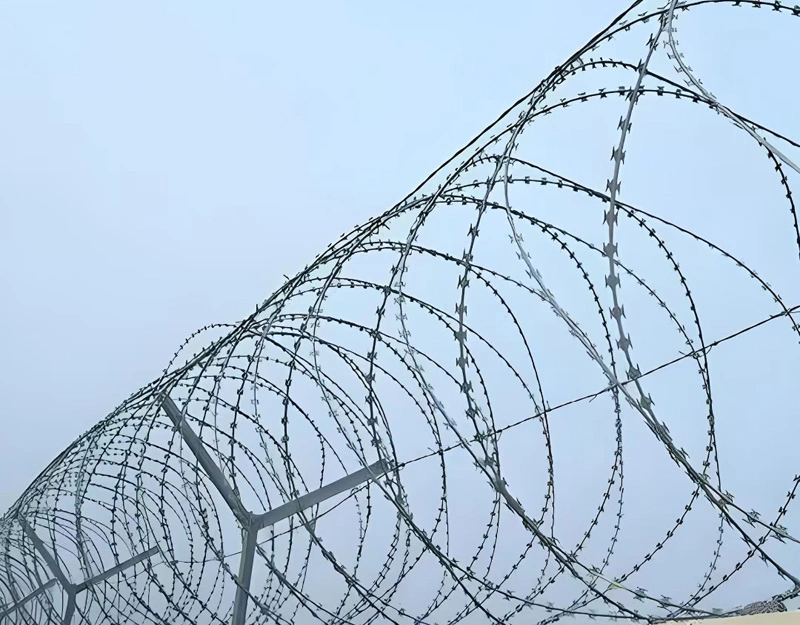
Ensuring the safety and security of industrial equipment is paramount in today's manufacturing and processing environments. This comprehensive guide delves into the importance of installing protective fences, particularly focusing on barbed wire installation as a critical component. It provides detailed instructions and best practices to ensure that these installations not only meet but exceed industry standards. The guide covers everything from planning and material selection to the final stages of inspection and maintenance, emphasizing the role of such measures in preventing unauthorized access, protecting valuable assets, and maintaining a safe working environment.
Before any installation begins, it is crucial to conduct a thorough site assessment and risk analysis. This involves identifying potential vulnerabilities, such as entry points, high-traffic areas, and locations where sensitive or valuable equipment is stored. Understanding the specific risks and threats at your facility will help in designing a fence that effectively mitigates these issues. Additionally, consider local regulations and environmental factors that may influence the design and materials used.
Selecting the right materials is essential for the longevity and effectiveness of the fence. Barbed wire, due to its sharp edges, serves as an excellent deterrent against intruders. However, it is important to choose high-quality wire that can withstand harsh weather conditions and potential attempts to breach the fence. Consider factors such as the gauge of the wire, the type of posts, and the overall structure to ensure that the fence remains robust and secure over time.
The success of a barbed wire fence installation depends on following best practices. Begin by laying out the fence line and marking the positions for the posts. Ensure that the posts are set deep enough to provide stability and are properly aligned. Use tension wires to maintain the correct tension along the fence line, which is crucial for the wire's effectiveness. Properly securing the barbed wire to the posts and tension wires will prevent sagging and ensure that the fence remains taut and secure.
Installing barbed wire can be hazardous, so it is essential to take appropriate safety measures. Wear protective gear, including gloves, long sleeves, and safety glasses, to protect against cuts and injuries. Use the right tools, such as pliers and wire cutters, and follow manufacturer guidelines for handling and installing the wire. Additionally, ensure that all workers are trained and familiar with the installation process to minimize the risk of accidents and injuries.
Regular inspections and maintenance are key to ensuring the ongoing effectiveness of the fence. Develop a maintenance schedule that includes routine checks for signs of wear and tear, such as rust, corrosion, or damage to the wire and posts. Address any issues promptly to prevent them from becoming more serious. Regular maintenance also helps in identifying and addressing potential security breaches before they become a problem.
When damage or wear is detected, it is important to have a plan in place for repairs and replacements. This may involve replacing damaged sections of wire, repairing or replacing posts, and retensioning the fence. Follow the barbed wire installation guide provided by the manufacturer to ensure that repairs are done correctly and safely. Proper repair and replacement procedures will help in maintaining the integrity and security of the fence.
Compliance with local and industry standards is crucial for the legal and effective operation of industrial fences. Familiarize yourself with the relevant regulations, such as building codes, zoning laws, and industry-specific guidelines. These standards often dictate the minimum requirements for fence height, material, and installation techniques. Adhering to these standards ensures that your fence meets the necessary safety and security criteria and avoids potential legal issues.
Maintaining proper documentation and reporting is essential for demonstrating compliance and for future reference. Keep records of all inspections, maintenance activities, and repairs. This documentation should include dates, details of the work performed, and any issues identified. Regular reporting to management and stakeholders will help in maintaining transparency and accountability. Additionally, having a well-documented history of the fence's condition and maintenance can be invaluable in case of audits or inspections.
Leave a Reply