How to Install Welded Wire Mesh for a Secure Fence
welded wire mesh has become a popular choice for fencing due to its durability, security, and cost-effectiveness. When properly installed, it can provide an effective barrier against intruders while also enhancing the aesthetic appeal of your property. This technical report will guide you through the process of installing welded wire mesh for a secure fence, covering key aspects such as planning, materials, tools, and step-by-step installation procedures.
Understanding the Benefits of Welded wire Mesh for Fencing
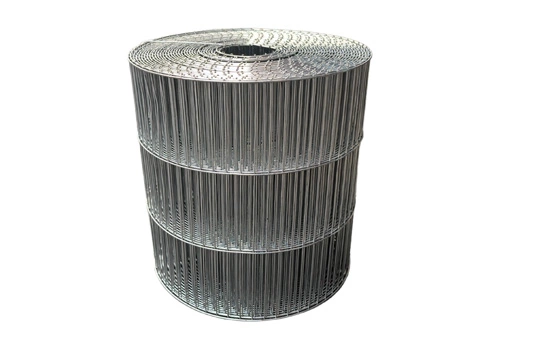
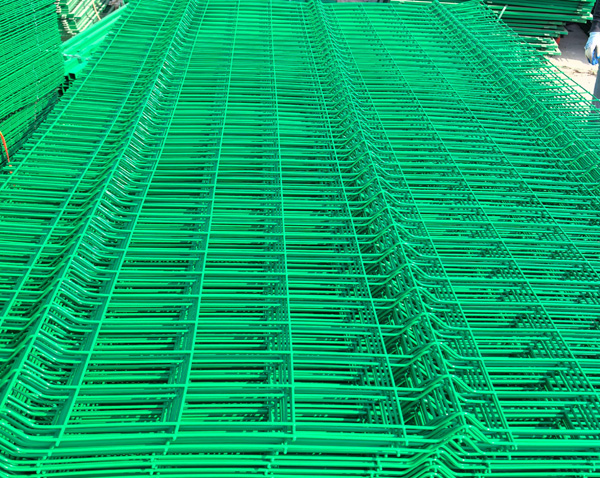
Welded wire mesh is a versatile and robust material that offers several advantages over other types of fencing. It is made from galvanized or stainless steel wires, which are welded at each intersection to create a strong and rigid structure. The primary benefits include:
- Durability: Welded wire mesh is resistant to corrosion and weathering, making it suitable for both indoor and outdoor applications.
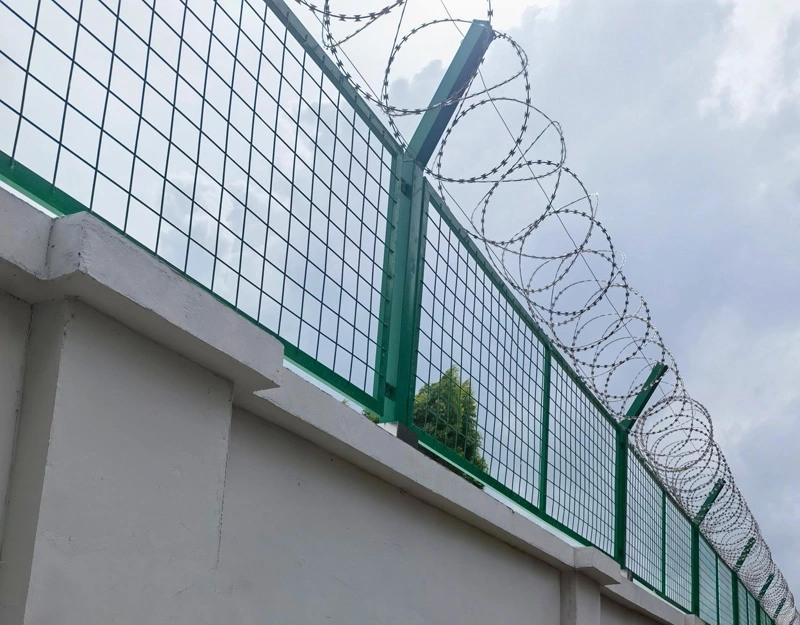
- Security: The tight grid pattern makes it difficult for intruders to climb over, providing a high level of security.
- Visibility: Unlike solid fences, welded wire mesh allows for clear visibility, which is beneficial for surveillance and maintaining an open view.
- Cost-Effective: Compared to other fencing materials like wood or metal panels, welded wire mesh is relatively inexpensive and easy to install.
These features make welded wire mesh an ideal choice for residential, commercial, and industrial properties.
Planning Your Fence Installation
Proper planning is essential to ensure a successful and efficient installation of your welded wire mesh fence. Here are the key steps to consider:
- Assess Your Needs: Determine the purpose of the fence, whether it is for security, privacy, or aesthetics. Consider the height, length, and any specific requirements such as gates or access points.
- Measure the Area: Accurately measure the perimeter of the area where the fence will be installed. Take into account any obstacles such as trees, slopes, or existing structures.
- Check Local Regulations: Familiarize yourself with local building codes and zoning laws. Some areas may have restrictions on fence height, materials, and placement. Obtain any necessary permits before starting the project.
- Choose the Right Material: Select the appropriate type of welded wire mesh based on your needs. Consider factors such as wire gauge, mesh size, and coating (galvanized or PVC-coated) for added protection against rust and UV damage.
By carefully planning your fence installation, you can avoid common pitfalls and ensure a smooth and successful project.
Gathering the Necessary Tools and Materials
Having the right tools and materials is crucial for a professional and durable installation. Here is a list of items you will need:
- Tools: Post hole digger, shovel, tape measure, level, hammer, pliers, wire cutters, and a drill with a masonry bit (if needed).
- Materials: Welded wire mesh, fence posts (wooden, metal, or concrete), post caps, fasteners (nails, screws, or U-clips), concrete mix, and gravel (for drainage).
- Optional Accessories: Gate hardware, hinges, latches, and tension wire (to reinforce the bottom of the fence).
Ensure that all materials are of high quality and suitable for the specific conditions of your site. For example, if you live in a coastal area, opt for marine-grade stainless steel or heavily galvanized wire mesh to resist saltwater corrosion.
Step-by-Step Installation Guide
Follow these detailed steps to install your welded wire mesh fence:
- Mark the Fence Line: Use stakes and string to mark the outline of the fence. Ensure the line is straight and aligned with your property boundaries.
- Dig Post Holes: Dig holes for the fence posts, typically 18-24 inches deep and 12 inches wide. Space the posts evenly, usually 6-8 feet apart, depending on the height and wind load of the fence.
- Set the Posts: Place the posts in the holes and check for alignment using a level. Mix and pour concrete into the holes, filling them about one-third full. Add a layer of gravel for drainage, then fill the rest with concrete. Allow the concrete to cure according to the manufacturer's instructions.
- Attach the Wire Mesh: Once the posts are set, unroll the welded wire mesh along the fence line. Attach the mesh to the posts using fasteners. Start at one end and work your way down, ensuring the mesh is taut and aligned. Use wire cutters to trim any excess mesh.
- Install Gates (if applicable): If you are adding a gate, install the gate hardware, including hinges and latches, and attach the gate to the posts. Ensure the gate opens and closes smoothly and securely.
- Add Finishing Touches: Install post caps to protect the tops of the posts from water damage. Optionally, add tension wire along the bottom of the fence to prevent sagging and to deter small animals from digging underneath.
By following these steps, you can achieve a well-constructed and secure welded wire mesh fence that will last for years to come.
Maintenance and Longevity
To ensure the longevity and performance of your welded wire mesh fence, regular maintenance is essential. Here are some tips to keep your fence in top condition:
- Inspect Regularly: Check the fence periodically for signs of damage, such as loose fasteners, bent wires, or rust. Address any issues promptly to prevent further deterioration.
- Clean the Fence: Remove dirt, debris, and vegetation that may accumulate on the mesh. Use a soft brush and mild detergent to clean the surface, and rinse with water. Avoid using harsh chemicals that can damage the coating.
- Touch Up Paint or Coating: If the fence has a painted or coated finish, touch up any areas that show wear or chipping. This will help protect the underlying metal from corrosion and extend the life of the fence.
- Check for Settlement: Over time, the ground may settle, causing the posts to shift. If you notice any movement, re-align the posts and re-secure them as needed.
With proper care and maintenance, your welded wire mesh fence will remain a reliable and attractive feature of your property for many years.
Conclusion
Installing welded wire mesh for a secure fence is a practical and effective solution for enhancing the security and appearance of your property. By understanding the benefits, planning carefully, gathering the right tools and materials, and following a step-by-step installation guide, you can create a durable and long-lasting fence. Regular maintenance will further ensure that your fence remains in excellent condition, providing peace of mind and protection for years to come.


 English
 China
China Thailand
 Malaysia
 Vietnam
 Laos
Laos Cambodia
 Pilipinas
 Indonesia
 Russian
 Portuguese
 Arabic
 Japanese
 Spanish
 Italian
 French
 German

Leave a Reply