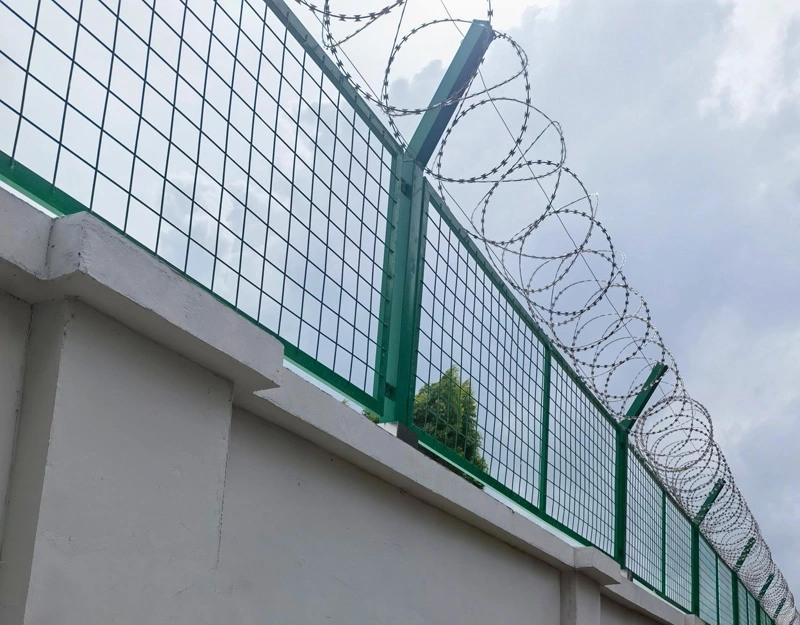
Blade barbed wire, also known as razor wire, is a highly effective security solution designed to deter unauthorized access. It’s commonly used in both residential and commercial settings due to its robust nature and cost-effectiveness. This technical report will guide you through the installation and maintenance of blade barbed wire, ensuring maximum safety and longevity.
Understanding the Components of Blade Barbed Wire
Before diving into the installation process, it's essential to understand the components that make up blade barbed wire. The primary elements include:
- Wire Core: The core is typically made from high-tensile steel, providing strength and durability.
- Blades: The blades are sharp, often galvanized or coated with a protective layer to prevent rust and corrosion.
- Clips and Fasteners: These are used to secure the wire to the fence posts or other support structures.
Each component plays a crucial role in the overall effectiveness of the blade barbed wire. The wire core provides the structural integrity, while the blades create a physical and psychological barrier. Clips and fasteners ensure that the wire remains securely in place, even under harsh conditions.
Installation Process for Maximum Safety
The installation of blade barbed wire should be carried out by trained professionals to ensure safety and compliance with local regulations. Here are the key steps involved in the installation process:
- Site Assessment: Evaluate the area where the blade barbed wire will be installed. Consider factors such as the terrain, existing fencing, and potential entry points.
- Planning and Design: Create a detailed plan that includes the layout, height, and spacing of the wire. Ensure that the design meets all safety and legal requirements.
- Material Preparation: Gather all the necessary materials, including the blade barbed wire, clips, fasteners, and any additional tools required for the installation.
- Installation of Support Structures: Install the fence posts or other support structures according to the design plan. Ensure that they are securely anchored to the ground.
- Mounting the Blade Barbed Wire: Attach the blade barbed wire to the support structures using the clips and fasteners. Start from one end and work your way to the other, ensuring that the wire is taut and evenly spaced.
- Final Inspection: Conduct a thorough inspection to ensure that the blade barbed wire is properly installed and there are no loose or damaged sections.
Proper installation is critical to the effectiveness of blade barbed wire. A well-installed system will provide a strong deterrent against intruders and enhance the overall security of the property.
Maintenance Tips to Ensure Longevity
Regular maintenance is essential to keep the blade barbed wire in optimal condition and extend its lifespan. Here are some key maintenance tips:
- Inspection: Regularly inspect the wire for any signs of wear, damage, or corrosion. Pay special attention to the clips and fasteners, as these can become loose over time.
- Cleaning: Clean the wire periodically to remove dirt, debris, and any other contaminants that may accumulate. Use a soft brush or cloth and a mild detergent if necessary.
- Re-tensioning: Over time, the wire may become slack. Re-tension the wire as needed to maintain its effectiveness. This can be done by adjusting the clips and fasteners.
- Repairs: Address any damage or issues promptly. Replace any damaged sections of the wire, and re-secure any loose clips or fasteners.
- Protection Against Corrosion: Apply a protective coating or lubricant to the wire to prevent rust and corrosion. This is especially important in areas with high humidity or exposure to saltwater.
By following these maintenance tips, you can ensure that your blade barbed wire remains in top condition and continues to provide maximum security for years to come.
Safety Precautions During Installation and Maintenance
While blade barbed wire is an effective security measure, it can also pose risks if not handled properly. Here are some important safety precautions to follow during installation and maintenance:
- Personal Protective Equipment (PPE): Always wear appropriate PPE, including gloves, safety glasses, and sturdy footwear, to protect against cuts and other injuries.
- Handling the Wire: Handle the wire with care to avoid cuts. Use pliers or other tools to manipulate the wire, and never touch the blades directly with your hands.
- Secure Work Area: Ensure that the work area is clear of any obstacles and that all tools and materials are organized and easily accessible.
- Follow Manufacturer Guidelines: Adhere to the manufacturer’s guidelines for installation and maintenance. This includes following the recommended tension and spacing for the wire.
- Training and Supervision: Only trained personnel should install and maintain blade barbed wire. If you are not experienced, consider hiring a professional to do the job.
By taking these safety precautions, you can minimize the risk of injury and ensure a safe and successful installation and maintenance process.
Compliance with Local Regulations and Standards
It is crucial to comply with local regulations and standards when installing blade barbed wire. These regulations may vary depending on the location and the specific use of the wire. Here are some key considerations:
- Permits and Approvals: Check with local authorities to determine if any permits or approvals are required before installing blade barbed wire. Some areas may have restrictions on the use of certain types of security measures.
- Height and Spacing Requirements: Ensure that the height and spacing of the wire meet the local regulations. There may be specific limits on how high the wire can be installed and how close it can be to public areas.
- Warning Signs: In many jurisdictions, it is mandatory to post warning signs in areas where blade barbed wire is installed. These signs should clearly indicate the presence of the wire and warn of the potential danger.
- Environmental Considerations: Be aware of any environmental regulations that may affect the installation of blade barbed wire. For example, some areas may have restrictions on the use of certain materials near water sources or wildlife habitats.
By adhering to local regulations and standards, you can ensure that your blade barbed wire installation is legal and compliant, avoiding any potential fines or legal issues.
Conclusion
Blade barbed wire is a highly effective security solution that, when installed and maintained properly, can significantly enhance the safety of your property. By understanding the components, following a structured installation process, and implementing regular maintenance, you can ensure that your blade barbed wire remains in top condition and continues to provide maximum security. Additionally, by adhering to safety precautions and local regulations, you can ensure a safe and compliant installation. With these guidelines, you can confidently install and maintain your blade barbed wire for maximum safety and longevity.


 English
 China
China Thailand
 Malaysia
 Vietnam
 Laos
Laos Cambodia
 Pilipinas
 Indonesia
 Russian
 Portuguese
 Arabic
 Japanese
 Spanish
 Italian
 French
 German
Leave a Reply