

 English
 China
China Thailand
 Malaysia
 Vietnam
 Laos
Laos Cambodia
 Pilipinas
 Indonesia
 Russian
 Portuguese
 Arabic
 Japanese
 Spanish
 Italian
 French
 German
News
- Home
- News
- Company News
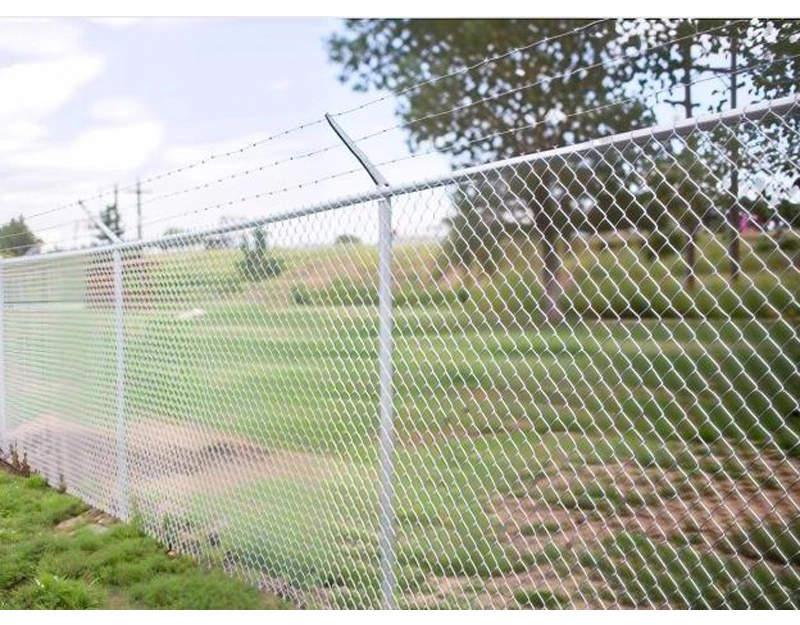
mesh fencing solutions for farms have become increasingly popular due to their versatility and effectiveness in protecting livestock, crops, and property. These fences offer a robust barrier against intruders while allowing for good visibility and air circulation. The right mesh fencing can significantly enhance the security and functionality of your farm, making it an essential investment for modern agricultural practices.
When considering mesh fencing, it's crucial to evaluate the specific needs of your farm. Factors such as the type of animals you raise, the size of your land, and the local climate all play a role in determining the best mesh fencing solution. For example, if you have small animals like chickens or rabbits, a finer mesh with smaller openings may be necessary to prevent them from escaping or predators from entering. On the other hand, larger animals like cattle or horses may require a stronger, more durable fence with larger openings.
The choice of material is one of the most critical factors when choosing mesh fencing for your farm. Common materials include galvanized steel, stainless steel, and PVC-coated wire. Each material has its own set of advantages and disadvantages, and the right choice depends on your specific requirements and budget.
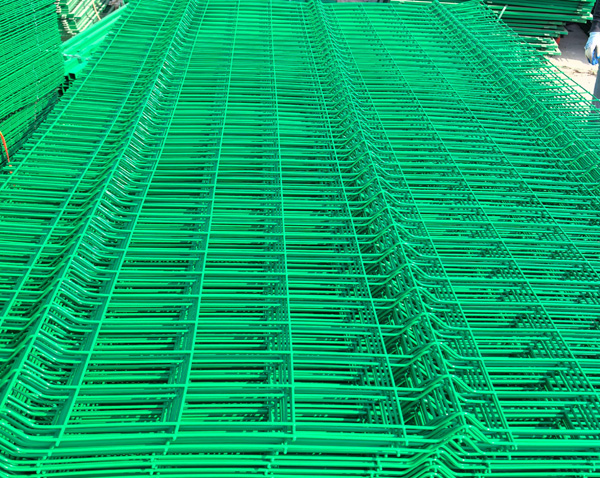
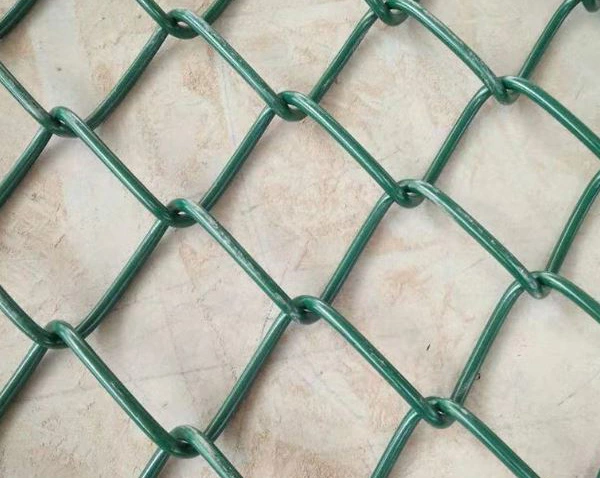
Galvanized steel is a popular option due to its strength and durability. It is resistant to rust and corrosion, making it ideal for outdoor use. However, it can be more expensive than other options. Stainless steel, while more expensive, offers even greater resistance to corrosion and is suitable for harsh environments. PVC-coated wire, on the other hand, is a cost-effective solution that provides good protection against the elements and is easy to install. It is also available in various colors, which can be useful for aesthetic purposes or to blend in with the surrounding environment.
Additionally, consider the gauge (thickness) of the wire. A thicker gauge will provide better security and durability, but it will also be more expensive. The gauge should be chosen based on the type of animals you are containing and the level of security you need.
Proper installation is key to ensuring the effectiveness and longevity of your mesh fencing. It is recommended to consult with a professional installer, especially for larger or more complex projects. However, if you choose to install the fence yourself, make sure to follow the manufacturer's instructions carefully. Key steps include measuring and marking the fence line, setting the posts, and attaching the mesh securely.
Maintenance is another important aspect of mesh fencing. Regular inspections should be conducted to check for any damage or wear and tear. Loose or damaged sections should be repaired or replaced promptly to maintain the integrity of the fence. Additionally, keeping the area around the fence clear of debris and vegetation can help prevent damage and ensure proper visibility.
For metal mesh fencing, periodic cleaning and inspection for signs of rust or corrosion are essential. If rust is detected, it should be treated immediately to prevent further damage. For PVC-coated wire, regular cleaning with mild soap and water can help maintain its appearance and extend its lifespan.
While the initial cost of installing mesh fencing solutions for farms may seem high, the long-term benefits often outweigh the initial investment. A well-chosen and properly installed mesh fence can last for many years, providing continuous protection and reducing the need for frequent repairs or replacements. This can lead to significant cost savings over time.
Moreover, the right mesh fencing can improve the overall efficiency and productivity of your farm. By keeping animals contained and protected, you can reduce the risk of losses due to predation or escape. This, in turn, can lead to higher yields and better financial returns. Additionally, a secure and well-maintained fence can enhance the value of your property, making it a worthwhile investment for the future.
Selecting the right mesh fencing for your farm involves careful consideration of various factors, including the type of animals, the size of your land, and the local climate. By choosing the appropriate material, ensuring proper installation, and maintaining the fence regularly, you can create a secure and efficient boundary that enhances the functionality and value of your farm. Investing in the right mesh fencing solutions for farms is a decision that can yield significant long-term benefits, making it a wise choice for any farmer.
Leave a Reply