

 English
 China
China Thailand
 Malaysia
 Vietnam
 Laos
Laos Cambodia
 Pilipinas
 Indonesia
 Russian
 Portuguese
 Arabic
 Japanese
 Spanish
 Italian
 French
 German
News
- Home
- News
- Company News
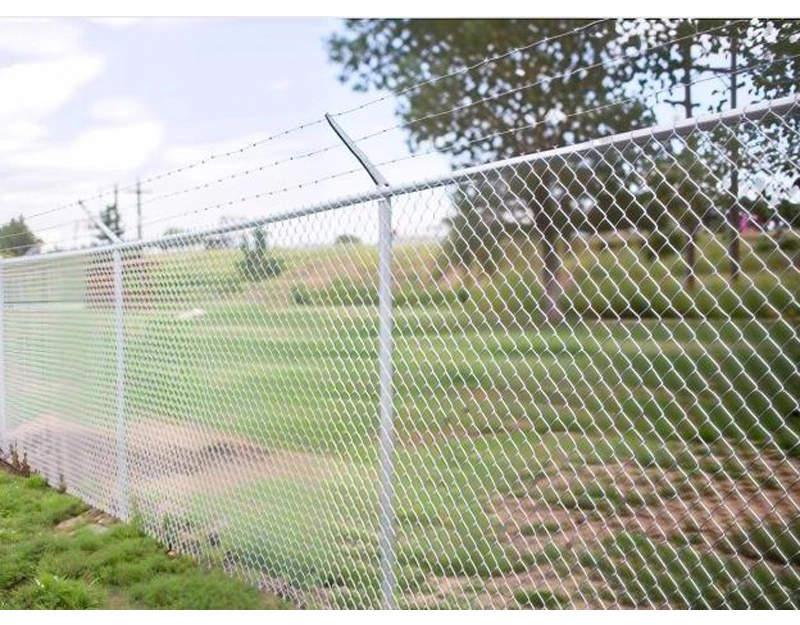
With the increasing need for enhanced security in both residential and commercial areas, the role of high security fence factory innovations has become more crucial than ever. These factories are not only producing traditional barriers but are also at the forefront of developing advanced solutions that cater to modern property protection needs. This report delves into some of the key advancements being made by these factories, highlighting how they are shaping the future of perimeter security.
One of the most significant contributions of high security fence factories is their continuous research and development in material science. Traditional fences, typically made from materials like wood or basic metals, often fall short in terms of durability and resistance to environmental factors. Modern high-security fences, on the other hand, utilize cutting-edge materials such as high-strength steel, reinforced concrete, and even composite materials. These materials not only offer superior strength and longevity but also provide better resistance against corrosion, weathering, and physical attacks. For instance, high-strength steel alloys can be engineered to withstand extreme forces, making them ideal for high-risk areas where breaches could have severe consequences. Additionally, the use of anti-climb coatings and tamper-resistant designs further enhances the security features of these fences, ensuring that unauthorized access is minimized.
Another major leap forward in the field of high-security fencing is the integration of smart technologies. High security fence factory innovations now include the incorporation of sensors, cameras, and other surveillance devices directly into the fence structure. This seamless integration allows for real-time monitoring and alerts, enabling property owners or security personnel to respond quickly to any potential threats. Furthermore, these systems can be connected to a central control hub, which can be accessed remotely via smartphones or computers. This means that even when away from the property, one can monitor its security status, receive notifications about suspicious activities, and take necessary actions. The use of artificial intelligence (AI) and machine learning algorithms in these systems also helps in distinguishing between normal and abnormal behaviors, thereby reducing false alarms and improving overall efficiency. For example, AI-powered cameras can recognize patterns of movement and alert authorities if someone is attempting to scale or damage the fence, providing an additional layer of security beyond just a physical barrier.
In recent years, there has been a growing emphasis on sustainability across all industries, and the high security fence factory sector is no exception. Manufacturers are increasingly focusing on developing eco-friendly products without compromising on security. One way this is achieved is through the use of recycled materials in the production process. For example, some factories are using recycled plastic or metal to create robust and durable fencing solutions. Not only does this reduce the demand for virgin materials, but it also helps in minimizing waste. Moreover, the design of these fences often incorporates energy-efficient features, such as solar-powered lighting and sensor-activated systems, which further contribute to their environmental friendliness. By adopting sustainable practices, high security fence factories are not only meeting the current market demands but also ensuring that their products align with the broader goals of reducing carbon footprints and promoting long-term environmental sustainability.
Every property has unique security requirements, and high security fence factories are well aware of this. As a result, there is a strong focus on offering customizable and flexible solutions that can be tailored to specific needs. Whether it's a large industrial complex, a government facility, or a private residence, these factories can provide fences that are designed to meet the exact specifications of the client. Customization options may include varying heights, thicknesses, and even aesthetic elements such as color and finish. This level of personalization ensures that the fence not only serves its primary function of security but also complements the overall look and feel of the property. Additionally, many high security fence factories offer modular designs, which allow for easy installation and expansion. This flexibility is particularly valuable for properties that may need to adapt their security measures over time, such as adding new sections or upgrading existing ones.
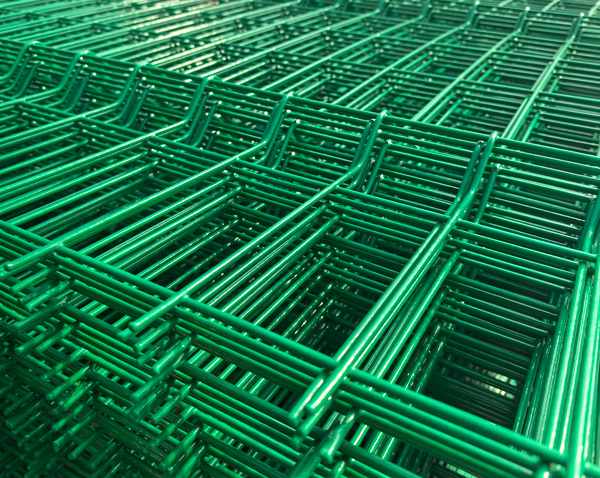
Ensuring that high-security fences meet stringent regulatory standards is another critical aspect of the work done by these factories. Many countries and regions have specific regulations and certifications that must be adhered to, especially for fences used in sensitive areas such as military bases, prisons, and critical infrastructure. High security fence factories are committed to obtaining the necessary certifications and ensuring that their products comply with all relevant standards. This includes rigorous testing for strength, durability, and resistance to various forms of attack. Certifications such as ISO 9001 for quality management, and EN 13250 for welded mesh panels, are examples of the benchmarks that these factories aim to meet. By maintaining high standards of compliance, these factories not only build trust with their customers but also ensure that their products are reliable and effective in real-world scenarios.
In conclusion, the innovations coming out of high security fence factories are revolutionizing the way we think about perimeter security. From advanced materials and smart technology integrations to sustainable practices and customization, these factories are leading the charge in creating solutions that are not only secure but also efficient, environmentally friendly, and adaptable. As the world continues to evolve, the role of these factories in protecting our properties and assets will only become more important.
Leave a Reply