

 English
 China
China Thailand
 Malaysia
 Vietnam
 Laos
Laos Cambodia
 Pilipinas
 Indonesia
 Russian
 Portuguese
 Arabic
 Japanese
 Spanish
 Italian
 French
 German
News
- Home
- News
- Company News
industrial fence panels have become an integral part of modern infrastructure, providing security, durability, and aesthetic appeal. This report delves into the versatility of industrial fence panels, exploring their applications across various industries. From construction sites to residential areas, these panels offer a range of benefits that make them a preferred choice for many. The report will cover the key advantages of using industrial Fence panels, including their robustness, ease of installation, and cost-effectiveness. Additionally, it will discuss the environmental impact and sustainability of these panels, as well as the latest technological advancements in the field.
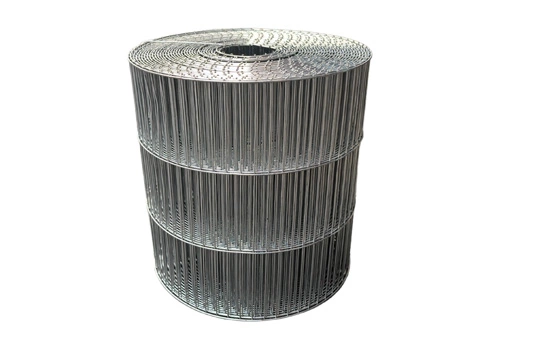
Industrial fence panels are designed to withstand harsh conditions, making them ideal for use in a variety of environments. These panels are typically made from high-quality materials such as steel, aluminum, or composite materials, which provide excellent strength and durability. The use of galvanized or powder-coated finishes further enhances their resistance to corrosion and weathering, ensuring a long lifespan even in the most challenging conditions.
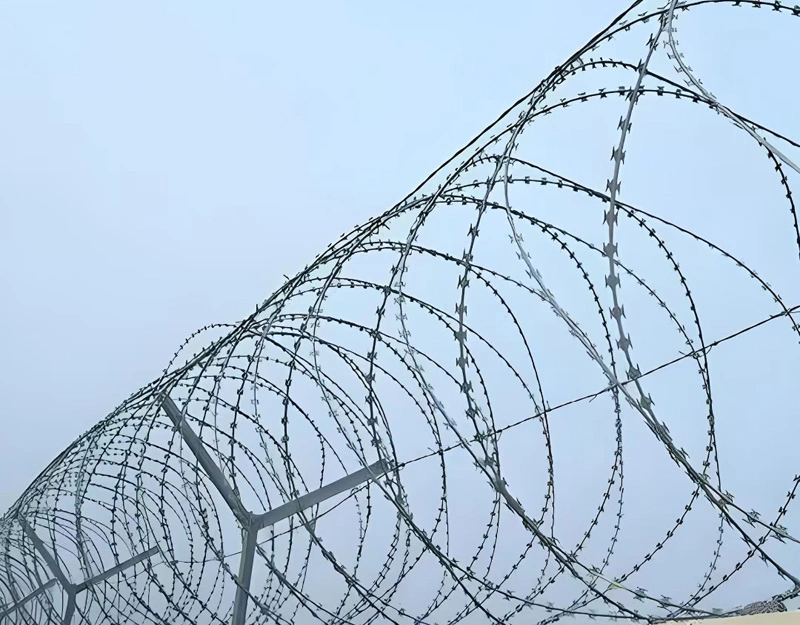
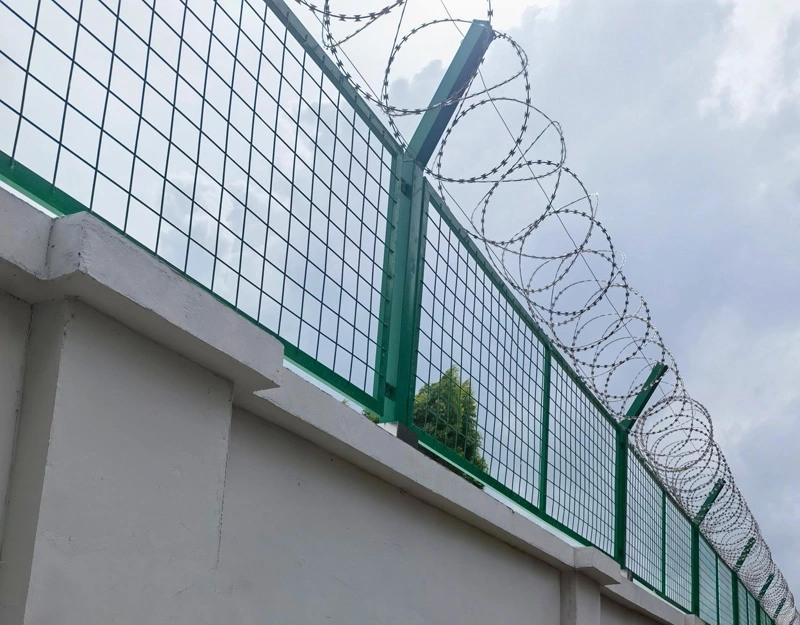
One of the primary functions of industrial fence panels is to provide security. These panels are engineered to be highly resistant to impact, making them effective at deterring unauthorized access. The sturdy construction and reinforced design of industrial fence panels ensure that they can withstand attempts at forced entry, providing a reliable barrier for both commercial and residential properties. This makes them a popular choice for securing construction sites, warehouses, and other critical areas.
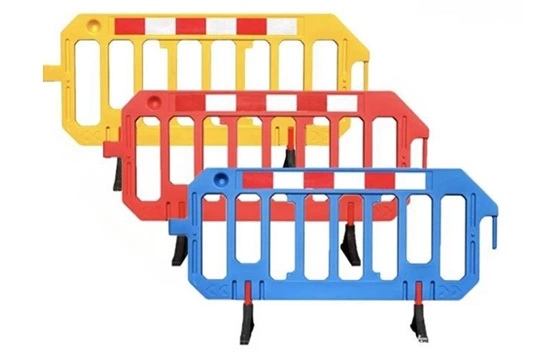
Industrial fence panels are designed with a modular approach, allowing for easy installation and customization. The panels can be easily assembled and disassembled, making them a versatile solution for temporary or permanent fencing needs. This modularity also allows for quick adjustments and modifications, enabling users to adapt the fence layout to changing requirements. The flexibility of industrial fence panels makes them an ideal choice for projects that require frequent reconfiguration or relocation.
Another significant advantage of industrial fence panels is their low maintenance requirements. Once installed, these panels require minimal upkeep, reducing the overall cost and effort required for maintenance. The durable materials and protective coatings used in their construction help to prevent rust, corrosion, and other forms of wear and tear. Regular cleaning and occasional inspections are usually sufficient to keep the fence in good condition, making them a cost-effective and hassle-free option for long-term use.
While the initial cost of industrial fence panels may be higher compared to traditional fencing options, the long-term value they provide justifies the investment. The durability and longevity of these panels mean that they do not need to be replaced frequently, resulting in lower replacement and maintenance costs over time. Additionally, the enhanced security and protection offered by industrial fence panels can lead to reduced insurance premiums and lower risk of property damage, further enhancing their return on investment.
Some industrial fence panels are designed with energy efficiency in mind, incorporating features such as solar-powered lighting or reflective surfaces that can reduce the need for additional lighting. These energy-efficient designs can lead to significant cost savings on electricity bills, especially in large-scale applications. By reducing the need for external lighting, industrial fence panels not only save money but also contribute to a more sustainable and environmentally friendly operation.
Many manufacturers of industrial fence panels are increasingly focusing on sustainability and environmental responsibility. These panels are often made from recyclable materials, such as steel and aluminum, which can be reused and repurposed at the end of their lifecycle. Additionally, the production processes for these materials are becoming more eco-friendly, with a focus on reducing waste and minimizing the carbon footprint. By choosing industrial fence panels made from sustainable materials, users can contribute to a more environmentally conscious approach to fencing.
The longevity of industrial fence panels also contributes to their environmental sustainability. By lasting longer than traditional fencing options, these panels reduce the frequency of replacements and the associated waste. This not only helps to minimize the environmental impact but also reduces the demand for new materials, leading to a more sustainable and resource-efficient approach to fencing. The durability and extended lifespan of industrial fence panels make them a responsible choice for those looking to minimize their environmental footprint.
Advancements in technology are leading to the development of smart fencing solutions that integrate with other security systems. These advanced industrial fence panels can include features such as motion sensors, cameras, and alarm systems, providing a comprehensive security solution. The integration of these technologies allows for real-time monitoring and alerts, enhancing the overall security and safety of the fenced area. As technology continues to evolve, we can expect to see even more innovative features being incorporated into industrial fence panels.
Research and development in material science are driving the creation of more sustainable and efficient industrial fence panels. New materials and manufacturing techniques are being explored to improve the performance and environmental impact of these panels. For example, the use of bio-based composites and advanced coatings can enhance the durability and sustainability of the panels. Additionally, innovations in design and engineering are leading to more efficient and aesthetically pleasing fence solutions. As these advancements continue, the future of industrial fence panels looks promising, with a focus on both functionality and sustainability.
Leave a Reply