

 English
 China
China Thailand
 Malaysia
 Vietnam
 Laos
Laos Cambodia
 Pilipinas
 Indonesia
 Russian
 Portuguese
 Arabic
 Japanese
 Spanish
 Italian
 French
 German
News
- Home
- News
- Company News
Chain link mesh, a versatile and robust material, has found its way into numerous applications across various industries. Traditionally used for fencing, the adaptability of chain link mesh is increasingly being recognized in modern industrial design. This report explores how this material is transforming contemporary design practices, highlighting key areas where it excels and provides innovative solutions.
Over the years, chain link mesh has evolved from a simple fencing solution to a sophisticated material with a wide range of applications. Initially, it was primarily used for security purposes, such as perimeter fencing for residential and commercial properties. However, its inherent strength, durability, and cost-effectiveness have made it an attractive option for more complex and creative uses. In modern industrial design, chain link mesh is now seen in architectural facades, interior partitions, and even as decorative elements. This evolution is driven by advancements in manufacturing techniques, which have allowed for greater customization and improved aesthetics.
One of the most significant advantages of chain link mesh in industrial design is its ability to enhance both structural integrity and aesthetic appeal. The open-weave structure of the mesh allows for excellent visibility while maintaining a secure barrier. This makes it ideal for applications where transparency and security are both required, such as in data centers, warehouses, and public spaces. Additionally, the visual lightness of chain link mesh can create a sense of openness and connectivity, making it a popular choice for modern, minimalist designs. Architects and designers often use it to create dynamic and visually engaging spaces, combining functionality with artistic expression.
Sustainability is a critical consideration in modern industrial design, and chain link mesh offers several eco-friendly benefits. Firstly, the material is highly durable and requires minimal maintenance, reducing the need for frequent replacements and repairs. This longevity contributes to a lower environmental impact over the product's lifecycle. Secondly, chain link mesh can be recycled, further minimizing waste and promoting a circular economy. Moreover, the open weave of the mesh allows for natural ventilation and daylight penetration, which can significantly reduce energy consumption in buildings. These sustainable attributes make chain link mesh a valuable component in green building projects and environmentally conscious design practices.
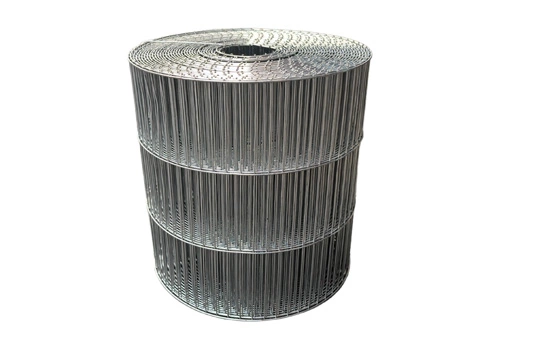
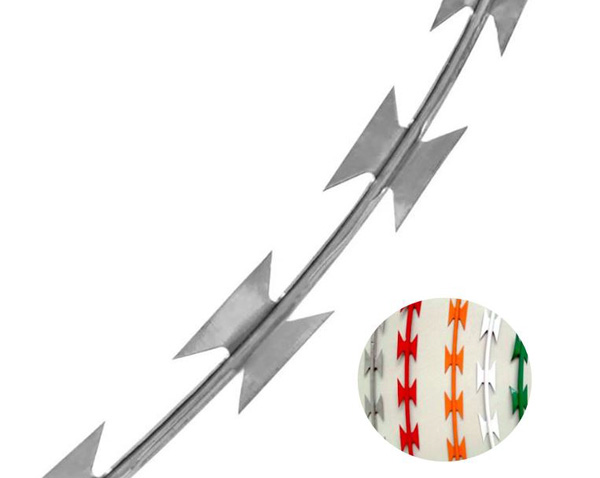
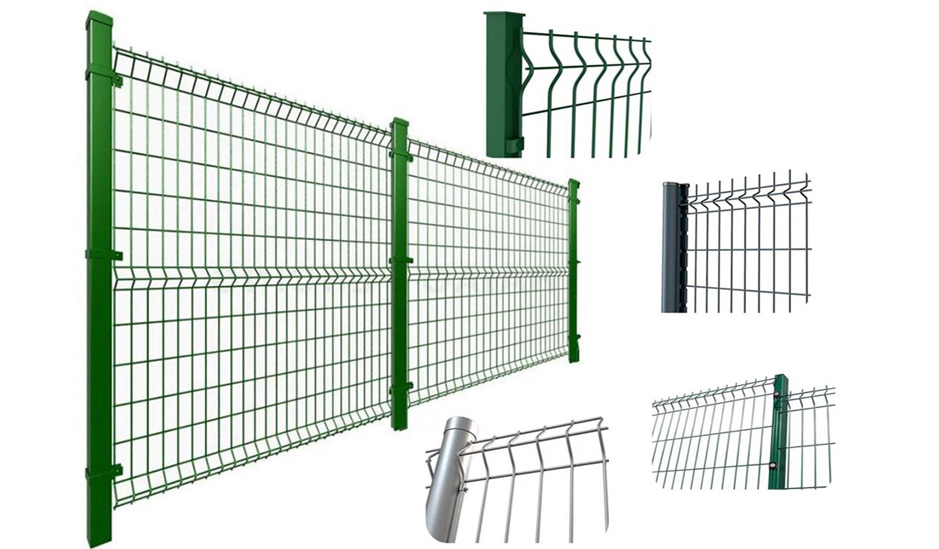
The versatility of chain link mesh is further enhanced by its high degree of customization. Manufacturers can produce the mesh in various gauges, wire thicknesses, and finishes, allowing designers to tailor the material to specific project requirements. For example, powder-coated or galvanized finishes can provide additional corrosion resistance and color options, enabling the mesh to blend seamlessly with the overall design aesthetic. Furthermore, the flexibility of chain link mesh allows it to be shaped and installed in a variety of configurations, from flat panels to curved structures. This adaptability makes it suitable for both large-scale industrial projects and smaller, more intricate design elements.
As technology continues to advance, the integration of smart features into building materials is becoming increasingly common. Chain link mesh is no exception, and there are emerging opportunities to incorporate sensors, lighting, and other smart technologies into the material. For instance, LED lights can be embedded within the mesh to create dynamic lighting effects, enhancing the visual experience and providing functional benefits such as safety and security. Additionally, sensors can be integrated to monitor environmental conditions, such as temperature and humidity, or to detect unauthorized access. These technological integrations not only add value to the material but also contribute to the overall efficiency and functionality of the built environment.
In conclusion, chain link mesh has proven to be a highly versatile and valuable material in modern industrial design. Its evolution from a basic fencing solution to a sophisticated design element is a testament to its inherent qualities and the ingenuity of designers. By enhancing structural integrity and aesthetic appeal, supporting sustainable design, offering extensive customization options, and integrating with smart technologies, chain link mesh is poised to play a significant role in the future of industrial design. As the industry continues to innovate, the potential applications and benefits of chain link mesh will only continue to grow.



Leave a Reply