

 English
 China
China Thailand
 Malaysia
 Vietnam
 Laos
Laos Cambodia
 Pilipinas
 Indonesia
 Russian
 Portuguese
 Arabic
 Japanese
 Spanish
 Italian
 French
 German
News
- Home
- News
- Company News
Today, as the world continues to evolve and face new challenges, the construction industry is constantly seeking innovative yet sustainable solutions. One such solution that has been gaining traction over recent years is the use of gabions. Originally developed for military purposes, gabions have since found a wide range of applications in modern construction, from erosion control to architectural design. This report delves into the versatile uses of gabions, exploring their benefits, limitations, and potential future developments.
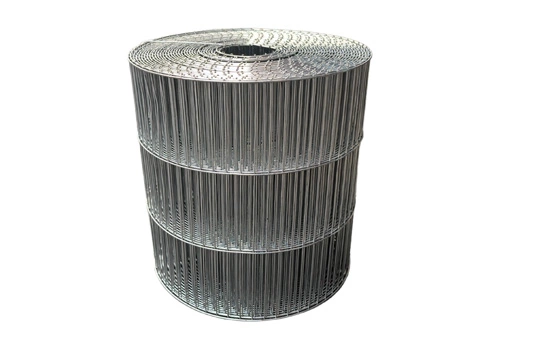
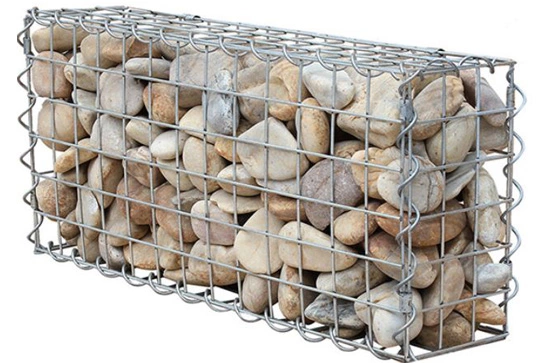
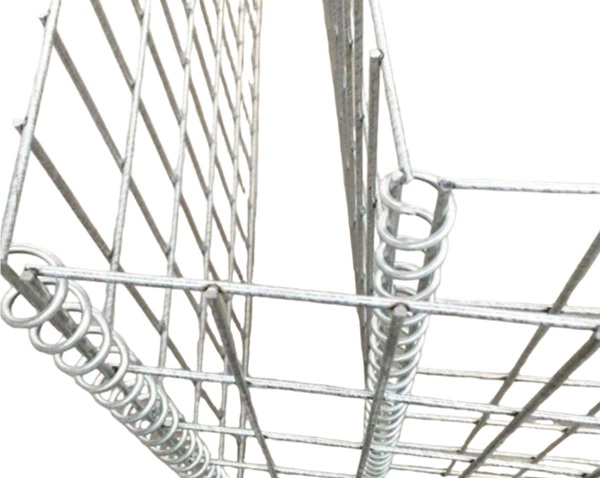
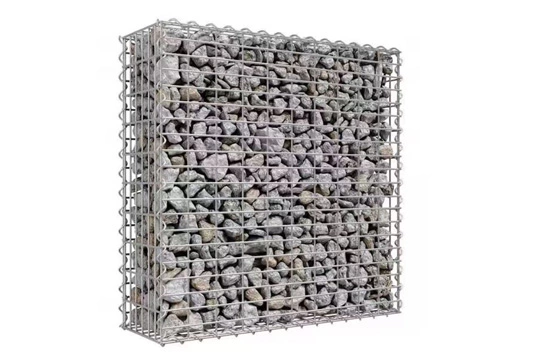
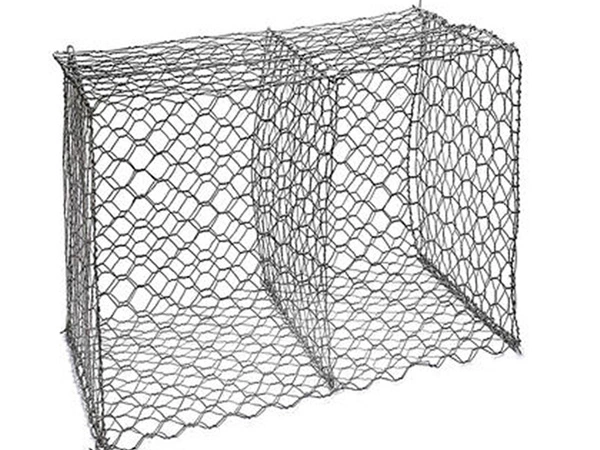
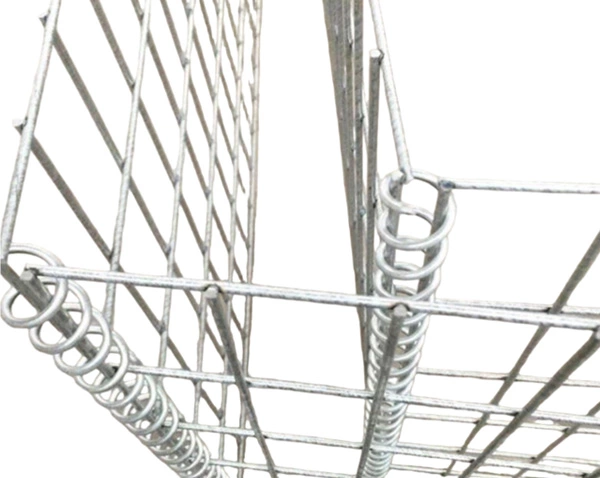
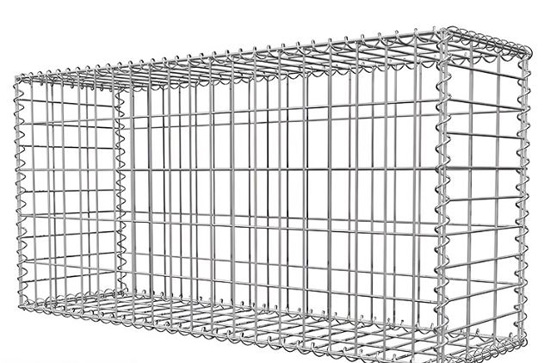
The term "gabion" comes from the Italian word "gabbione," meaning "big cage." Historically, these structures were used in fortifications to protect against enemy attacks. However, their utility extends far beyond military applications. In essence, a gabion is a cage, box, or cylinder filled with rocks, concrete, or other materials. The cages are typically made of wire mesh, which provides structural integrity while allowing water to pass through, making them ideal for various environmental and construction projects.
Modern gabions are designed to be durable and adaptable, capable of being used in a variety of settings. They can be customized in terms of size, shape, and material, depending on the specific requirements of the project. This flexibility makes gabions a popular choice for both functional and aesthetic purposes.
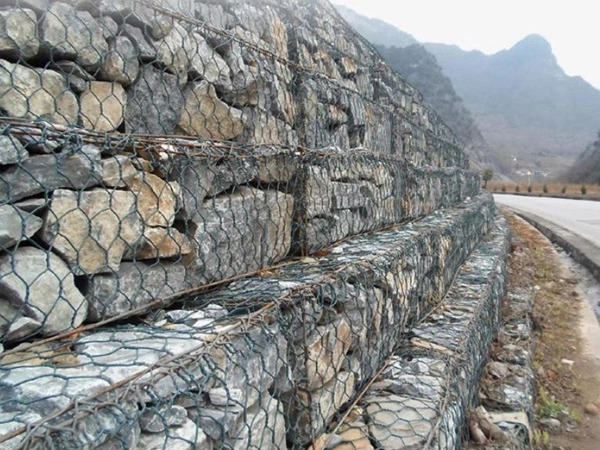
One of the most significant applications of gabions is in erosion control and coastal protection. Erosion is a natural process that can cause severe damage to landscapes, infrastructure, and property. Gabions provide an effective solution by creating a stable barrier that can withstand the forces of water and wind. The permeable nature of the wire mesh allows water to flow through, reducing the pressure on the structure and preventing it from being washed away.
In coastal areas, gabions are often used to protect shorelines from the erosive effects of waves and tides. These structures can be installed along beaches, cliffs, and riverbanks to prevent soil erosion and maintain the integrity of the coastline. Additionally, gabions can be used to create artificial reefs, providing habitat for marine life and enhancing the local ecosystem.
Case studies have shown that gabions can significantly reduce erosion rates and extend the lifespan of coastal infrastructure. For example, in the Netherlands, gabions have been successfully used to protect dunes and stabilize sandy shores. Similarly, in the United States, gabions have been employed to reinforce riverbanks and prevent flooding in vulnerable areas.
Beyond their practical applications, gabions have also found a place in architectural and landscape design. Their unique appearance and versatility make them a popular choice for creating visually appealing and functional structures. Architects and designers often use gabions to create retaining walls, garden features, and even entire buildings.
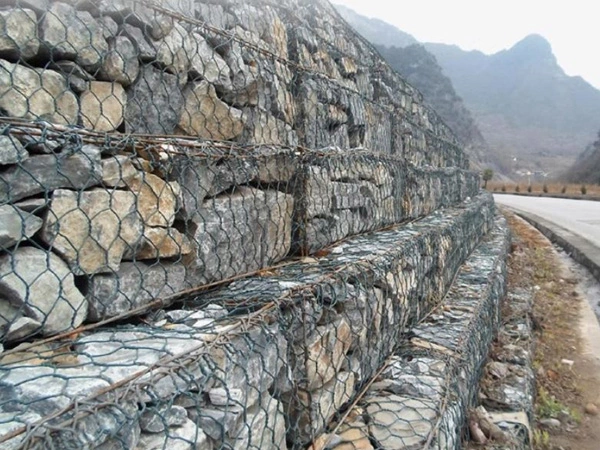
Retaining walls are a common application of gabions in landscape architecture. These walls not only serve to hold back soil and prevent landslides but also add an aesthetic element to the landscape. The use of different colored and textured stones can create a visually striking effect, blending seamlessly with the natural environment.
In architectural design, gabions have been used to construct entire buildings and structures. For instance, the C.F. Møller Architects' Moesgaard Museum in Denmark features a gabion-clad facade, which not only provides a distinctive look but also offers excellent thermal insulation. The use of gabions in this context demonstrates their potential for sustainable and innovative building practices.
Moreover, gabions can be used to create outdoor seating, fire pits, and other functional elements in gardens and public spaces. The ability to customize the fill material and the cage design allows for a wide range of creative possibilities, making gabions a versatile tool for architects and landscape designers.
Another key advantage of using gabions in construction is their environmental and sustainability benefits. Gabions are often made from recycled materials, such as wire mesh and reclaimed stone, reducing the need for new resources and minimizing waste. Additionally, the permeable nature of gabions allows for the natural movement of water, which can help to prevent soil erosion and support local ecosystems.
Furthermore, gabions can be used to create green walls and living structures. By incorporating plants into the gabion design, these structures can provide additional environmental benefits, such as air purification, noise reduction, and temperature regulation. The integration of vegetation into Gabion Structures can also enhance the aesthetic appeal of the area, creating a more pleasant and inviting environment.
From a sustainability perspective, gabions offer a low-impact solution for construction projects. They require minimal maintenance and have a long lifespan, reducing the need for frequent replacements and repairs. This longevity, combined with their ability to use recycled materials, makes gabions an environmentally friendly choice for a wide range of applications.
Despite their numerous advantages, there are also some challenges associated with the use of gabions. One of the primary concerns is the potential for corrosion of the wire mesh, particularly in coastal and marine environments. To address this issue, manufacturers are developing new materials and coatings that can enhance the durability and longevity of gabions.
Another challenge is the need for proper installation and maintenance. If not installed correctly, gabions can become unstable and may not provide the intended level of protection. Regular inspections and maintenance are essential to ensure the continued effectiveness of gabion structures.
Looking to the future, advancements in technology and materials science are likely to further improve the performance and sustainability of gabions. For example, the development of self-healing materials could extend the lifespan of gabions and reduce the need for maintenance. Additionally, the integration of smart technologies, such as sensors and monitoring systems, could enhance the functionality and efficiency of gabion structures.
As the demand for sustainable and resilient construction solutions continues to grow, the role of gabions in modern construction is expected to expand. With ongoing research and innovation, gabions are poised to play an increasingly important role in addressing the challenges of the 21st century.
In conclusion, gabions offer a versatile and sustainable solution for a wide range of construction and environmental challenges. From erosion control and coastal protection to architectural design and landscape architecture, gabions provide a flexible and durable option that can be tailored to meet the specific needs of each project. As the construction industry continues to evolve, the use of gabions is likely to become even more prevalent, driven by their environmental benefits, cost-effectiveness, and aesthetic appeal.

Leave a Reply