

 English
 China
China Thailand
 Malaysia
 Vietnam
 Laos
Laos Cambodia
 Pilipinas
 Indonesia
 Russian
 Portuguese
 Arabic
 Japanese
 Spanish
 Italian
 French
 German
News
- Home
- News
- Company News
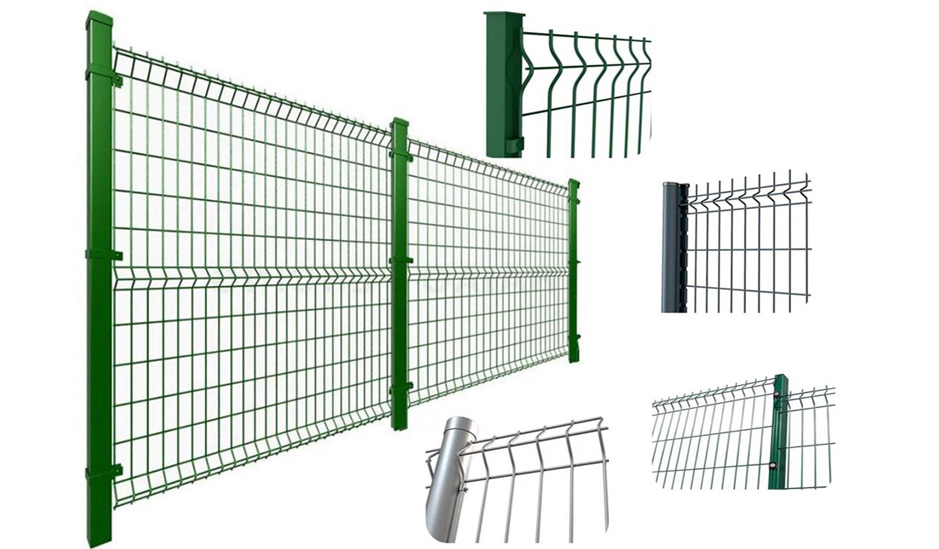
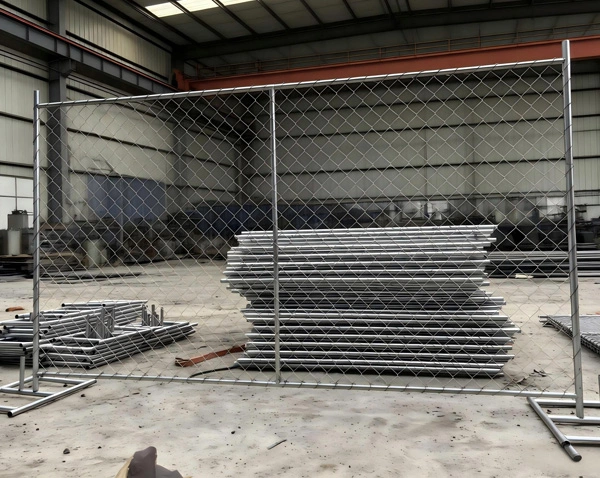
With the increasing demand for flexible and cost-effective solutions in outdoor settings, exploring the durability of panel fences, especially those that are economical and portable, has become a topic of interest. This report delves into the characteristics and performance of economical portable 3D temporary fence options, particularly focusing on their suitability for use in China. The discussion will cover material selection, structural integrity, environmental impact, and maintenance requirements, providing a comprehensive analysis to help stakeholders make informed decisions.
The choice of materials is crucial when it comes to ensuring the longevity of any fencing solution. For an economical portable 3D temporary fence, the primary materials include galvanized steel, aluminum, and high-density polyethylene (HDPE). Each of these materials offers unique advantages. Galvanized steel, for instance, provides excellent corrosion resistance and strength, making it suitable for harsh weather conditions. Aluminum, on the other hand, is lightweight and resistant to rust, although it may not be as strong as steel. HDPE, used in some modern designs, is known for its flexibility and resistance to UV radiation, which helps in maintaining the fence's appearance over time.
In the context of China, where the climate can vary significantly from region to region, selecting the right material is essential. For example, coastal areas with high humidity and salt content would benefit more from galvanized steel or aluminum, while inland regions with less exposure to corrosive elements might find HDPE a more economical and practical choice. Understanding the specific needs of the location is key to choosing the most durable and cost-effective material.
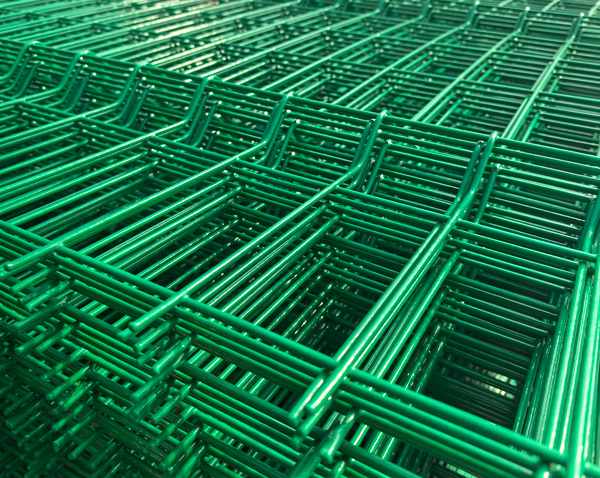
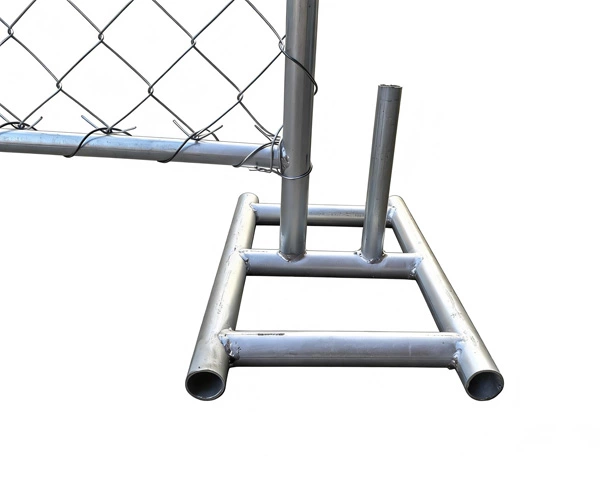
One of the primary concerns with any Temporary Fencing solution is its ability to withstand external forces such as wind, rain, and human interference. The design of an economical portable 3D temporary fence must incorporate features that enhance its structural integrity. This includes robust frame construction, secure fastening mechanisms, and a stable base. For instance, a well-designed 3D fence often features a trapezoidal or triangular frame, which distributes weight and pressure more evenly, reducing the risk of collapse.
Additionally, the use of high-quality connectors and fasteners is critical. These components should be made from durable materials and designed to resist tampering. In China, where temporary fences are often used in construction sites, public events, and disaster relief operations, ensuring the stability and safety of the fence is paramount. Regular inspections and maintenance can further enhance the lifespan of the fence, ensuring it remains effective and safe throughout its use.
As sustainability becomes an increasingly important consideration in construction and infrastructure projects, the environmental impact of temporary fencing solutions cannot be overlooked. An economical portable 3D temporary fence can be designed to minimize its ecological footprint. For example, using recycled materials, such as reclaimed steel or recycled plastic, can reduce the overall carbon footprint of the fence. Additionally, the manufacturing process can be optimized to minimize waste and energy consumption.
In China, where environmental regulations are becoming more stringent, adopting sustainable practices in temporary fencing is not only a responsible choice but also a regulatory requirement. Companies and organizations that prioritize sustainability in their fencing solutions can gain a competitive edge, both in terms of compliance and public perception. Furthermore, the reusability of these fences is a significant advantage, as they can be easily disassembled and reused in different locations, reducing the need for new materials and minimizing waste.
To ensure the long-term durability of an economical portable 3D temporary fence, regular maintenance is essential. This includes routine inspections to check for signs of wear and tear, corrosion, and damage. Any issues identified during these inspections should be addressed promptly to prevent further deterioration. For example, if rust is detected on a galvanized steel fence, it should be treated with a rust inhibitor and repainted to restore its protective coating.
Proper cleaning and care are also important. Regularly removing dirt, debris, and graffiti can help maintain the fence's appearance and functionality. In China, where air pollution and dust can be significant, periodic cleaning is especially important to prevent the buildup of contaminants that could accelerate corrosion. Additionally, training staff on proper maintenance procedures can help ensure that the fence remains in good condition and continues to provide the necessary security and protection.
In conclusion, the durability of an economical portable 3D temporary fence is influenced by several factors, including material selection, structural integrity, environmental impact, and maintenance requirements. By carefully considering these aspects, stakeholders in China can choose a fencing solution that is not only cost-effective but also durable and sustainable. As the demand for flexible and reliable temporary fencing continues to grow, investing in high-quality, well-maintained, and environmentally friendly options will be key to meeting the needs of various applications, from construction sites to public events and disaster relief operations.
Leave a Reply