

 English
 China
China Thailand
 Malaysia
 Vietnam
 Laos
Laos Cambodia
 Pilipinas
 Indonesia
 Russian
 Portuguese
 Arabic
 Japanese
 Spanish
 Italian
 French
 German
News
- Home
- News
- Company News
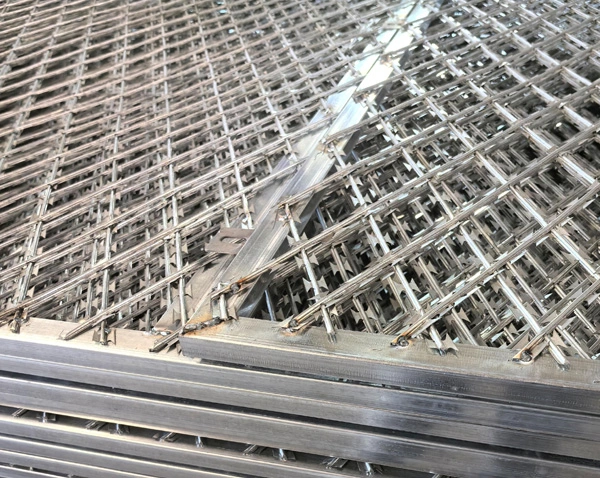
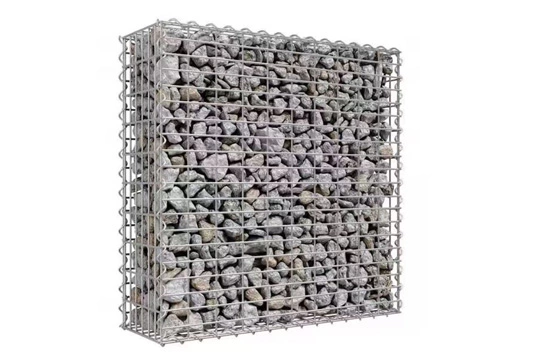
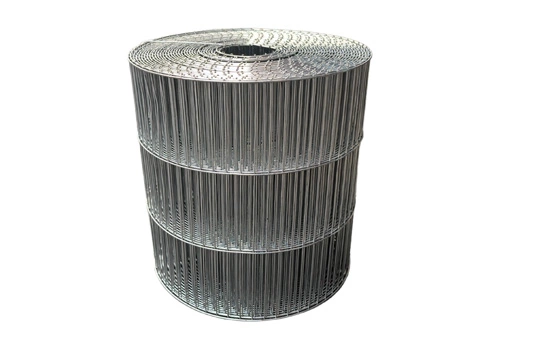
Galvanized Steel Welded Mesh is a versatile material widely used in construction, agriculture, and industrial applications due to its strength, durability, and corrosion resistance. This report explores the performance of galvanized steel welded mesh under harsh environmental conditions, focusing on several key aspects that contribute to its longevity and effectiveness.
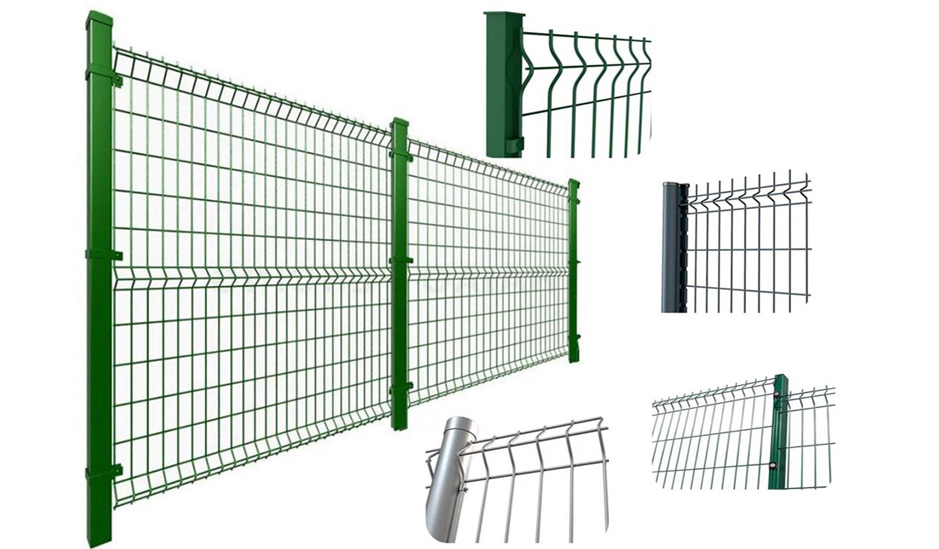
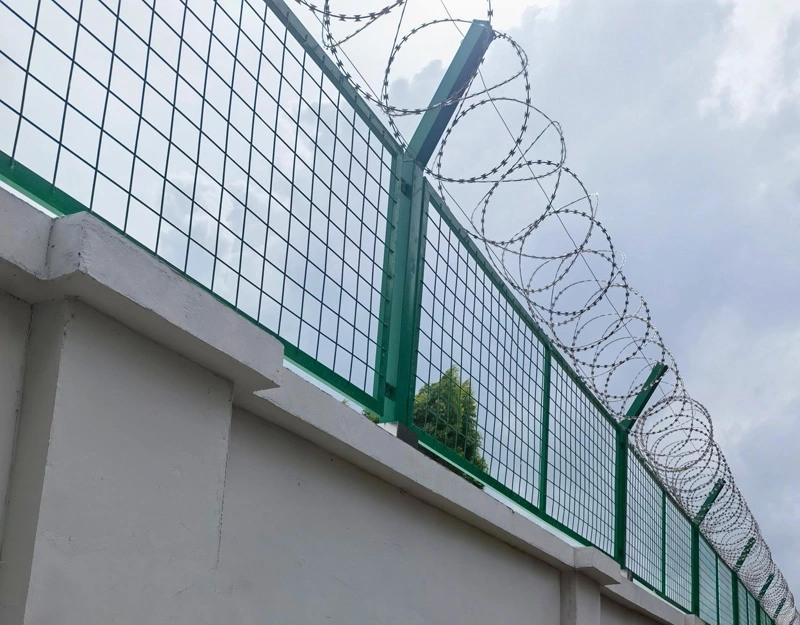
The process of galvanizing involves coating iron or steel with a layer of zinc, which acts as a protective barrier against corrosion. When it comes to galvanized steel welded mesh, this treatment significantly enhances its ability to withstand exposure to moisture, chemicals, and other corrosive elements. The zinc coating not only provides a physical barrier but also serves as a sacrificial anode, meaning it corrodes first, thus protecting the underlying steel. This characteristic makes galvanized steel welded mesh an ideal choice for applications where long-term durability is crucial, such as fencing, animal enclosures, and structural reinforcements in coastal areas.
The durability of galvanized steel welded mesh can be influenced by various environmental factors, including humidity, temperature fluctuations, and exposure to pollutants. High humidity levels accelerate the corrosion process, while extreme temperatures (both hot and cold) can cause thermal expansion and contraction, potentially leading to cracks or weakening of the zinc coating. In addition, airborne pollutants like sulfur dioxide and chloride ions, commonly found in industrial or marine environments, can react with the zinc, forming compounds that may compromise the integrity of the protective layer. However, even under these challenging conditions, properly maintained galvanized steel welded mesh can provide many years of reliable service. Regular inspections and maintenance, such as cleaning and reapplying protective coatings when necessary, can help extend the lifespan of the mesh in harsh environments.
When considering the use of materials for applications requiring high durability, galvanized steel welded mesh often outperforms alternatives such as uncoated steel, aluminum, and plastic. Uncoated steel is highly susceptible to rust and corrosion, especially in wet or salty environments, leading to a much shorter lifespan compared to its galvanized counterpart. Aluminum, although naturally resistant to corrosion, lacks the strength and rigidity of steel, making it less suitable for heavy-duty applications. Plastic, while resistant to both corrosion and chemicals, is prone to degradation from UV light and may not offer the same level of security or support as metal meshes. Therefore, in terms of combining strength, corrosion resistance, and cost-effectiveness, galvanized steel welded mesh stands out as a superior option for many outdoor and industrial uses.
To ensure the maximum longevity of galvanized steel welded mesh, proper installation and regular maintenance are essential. During installation, it is important to avoid damaging the zinc coating, as scratches or dents can create weak points where corrosion can begin. After installation, periodic checks should be conducted to identify any signs of wear or damage. If minor issues are detected, they can usually be addressed through simple repairs, such as applying touch-up paint or additional zinc-rich coatings. For more severe cases, sections of the mesh may need to be replaced. Additionally, keeping the area around the mesh clean and free from debris can help prevent the buildup of corrosive substances. By following these guidelines, users can significantly prolong the useful life of their galvanized steel welded mesh, even in the most demanding environments.
Recent advancements in metallurgy and surface treatment technologies have led to the development of improved galvanized steel welded mesh products. New alloys and coating processes aim to enhance the material's resistance to specific types of corrosion, such as pitting or crevice corrosion, which are common in marine settings. Some manufacturers are also exploring the use of nanotechnology to create ultra-thin, highly effective protective layers that can further increase the lifespan of the mesh. These innovations not only improve the overall performance of galvanized steel welded mesh but also make it a more sustainable choice, as longer-lasting materials reduce the need for frequent replacements and associated waste.
In conclusion, galvanized steel welded mesh demonstrates exceptional durability and versatility, making it a preferred choice for a wide range of applications in harsh environments. By understanding the galvanization process, the impact of environmental factors, and the importance of proper maintenance, users can maximize the benefits of this robust material. As technology continues to evolve, we can expect to see even more advanced and durable galvanized steel welded mesh solutions in the future.

Leave a Reply