

 English
 China
China Thailand
 Malaysia
 Vietnam
 Laos
Laos Cambodia
 Pilipinas
 Indonesia
 Russian
 Portuguese
 Arabic
 Japanese
 Spanish
 Italian
 French
 German
News
- Home
- News
- Company News
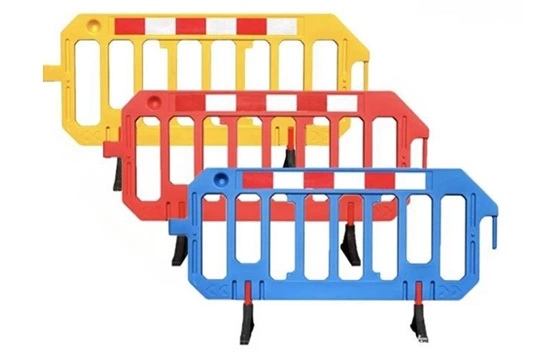
The development and adoption of folding plastic barricade solutions have significantly transformed how public spaces, construction sites, and event venues are managed. These modern barriers offer a unique blend of durability, flexibility, and ease of use that traditional materials often lack. This report delves into the key aspects that make folding plastic barricades an indispensable tool in today's dynamic environments.
Folding plastic barricades are crafted from high-density polyethylene (HDPE), a material known for its robustness and resistance to environmental factors. HDPE is not only lightweight but also highly durable, capable of withstanding significant physical stress without compromising its structural integrity. This makes it ideal for applications where barriers need to be frequently moved or exposed to harsh conditions such as extreme weather. The lifespan of these barricades is notably longer than their metal counterparts, which can corrode over time, making them a cost-effective solution in the long run.
Moreover, the manufacturing process of HDPE involves advanced techniques that enhance the material’s strength. For instance, UV stabilizers are added during production to protect the barricades from sun damage, ensuring they maintain their color and functionality even after prolonged exposure to sunlight. This level of durability ensures that the barriers can be used repeatedly across multiple projects, reducing the need for frequent replacements and minimizing waste.
One of the most significant advantages of folding plastic barricades is their flexibility and versatility. These barriers are designed with a modular system, allowing users to easily connect and expand them to cover large areas. This feature is particularly useful in dynamic settings where the layout needs to be adjusted frequently. Whether it’s creating a temporary pedestrian walkway, cordoning off a construction site, or setting up a queue management system, these barricades can be quickly reconfigured to meet changing requirements.
Additionally, the folding design of these barricades allows for easy storage and transportation. When not in use, they can be folded flat, significantly reducing the space required for storage. This compact form also makes them easier to transport, whether by hand or in a vehicle, making them an ideal choice for mobile operations and events that require quick setup and teardown.
The simplicity of assembly and maintenance is another key factor that contributes to the popularity of folding plastic barricades. Unlike traditional metal barriers, which often require tools and specialized knowledge to set up, these plastic barricades can be assembled and disassembled with minimal effort. The interlocking mechanism is intuitive and user-friendly, allowing anyone to set up a barrier system in a matter of minutes. This ease of use is particularly beneficial in emergency situations where rapid deployment is crucial.
Maintenance of these barricades is also straightforward. Since they are made from non-porous materials, they are resistant to mold, mildew, and other forms of biological growth. Cleaning them is as simple as wiping them down with a damp cloth, making them hygienic and suitable for use in various environments, including healthcare facilities and food service areas. The low-maintenance nature of these barriers further reduces the overall cost of ownership and ensures that they remain in optimal condition throughout their lifecycle.
In an era where sustainability is a top priority, the environmental impact of any product is a critical consideration. Folding plastic barricades are no exception. While plastics have a reputation for being environmentally unfriendly, the use of HDPE in these barriers offers several eco-friendly benefits. Firstly, HDPE is fully recyclable, meaning that at the end of their lifecycle, these barricades can be repurposed into new products, reducing the amount of waste sent to landfills. Secondly, the longevity and durability of these barriers mean that they do not need to be replaced as frequently, leading to a lower overall environmental footprint compared to less durable alternatives.
Furthermore, the manufacturing process of HDPE is more energy-efficient than that of many other materials, contributing to a reduction in carbon emissions. Additionally, the lightweight nature of these barricades means that they require less energy to transport, further lowering their environmental impact. By choosing folding plastic barricades, organizations can align their operations with sustainable practices while still benefiting from the practical advantages these barriers offer.
Folding plastic barricades represent a significant advancement in barrier technology, offering a combination of durability, flexibility, and ease of use that is unmatched by traditional materials. Their robust construction, modular design, and low-maintenance requirements make them a versatile and cost-effective solution for a wide range of applications. As the demand for sustainable and efficient solutions continues to grow, these barriers are well-positioned to meet the needs of modern environments, providing a reliable and environmentally friendly option for managing public spaces, construction sites, and event venues.

Leave a Reply