

 English
 China
China Thailand
 Malaysia
 Vietnam
 Laos
Laos Cambodia
 Pilipinas
 Indonesia
 Russian
 Portuguese
 Arabic
 Japanese
 Spanish
 Italian
 French
 German
News
- Home
- News
- Company News
Introduction
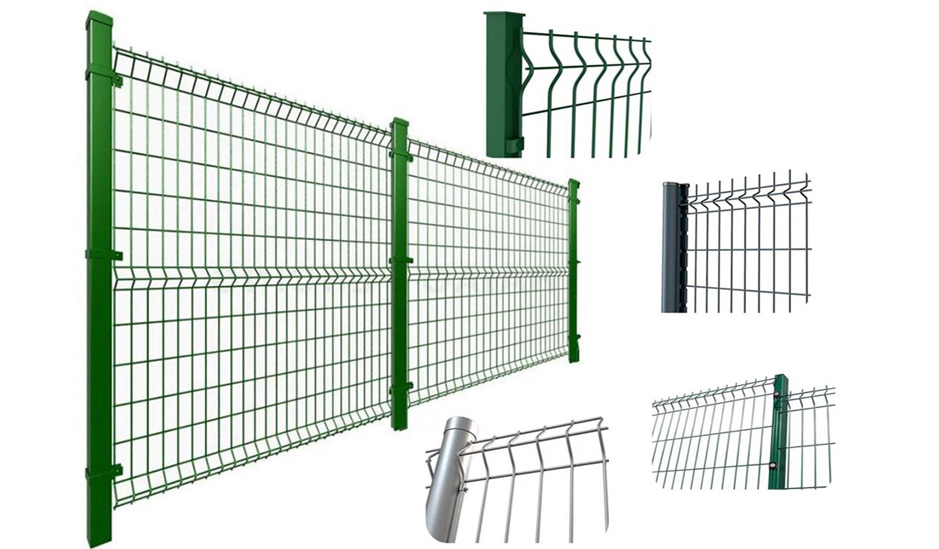
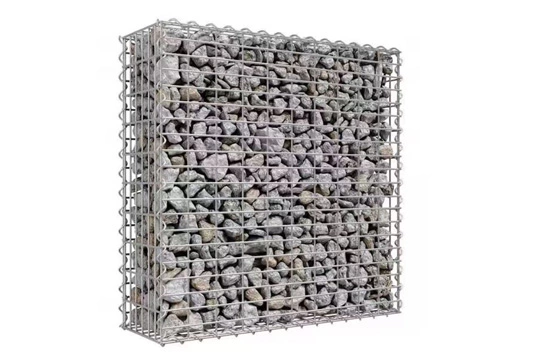
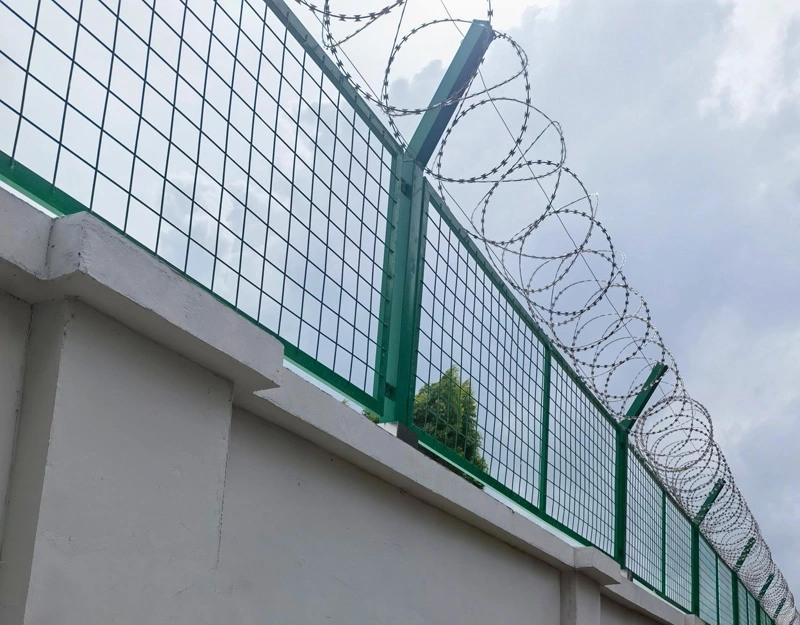
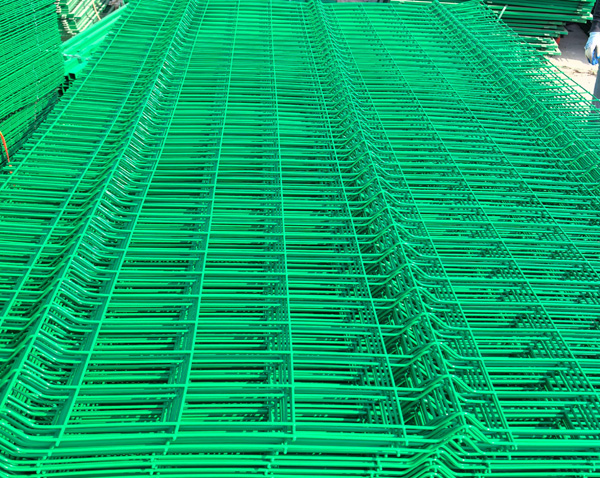
In the realm of modern construction, the integration of industrial wire grid solutions has become a critical factor for enhancing structural integrity, safety, and overall performance. These advanced grids, designed to meet the stringent demands of contemporary building practices, offer numerous benefits that traditional materials cannot match. This report explores the advantages of incorporating industrial wire grids into construction projects, focusing on their superior strength, flexibility, and cost-effectiveness.
One of the most significant benefits of using industrial wire grid solutions in construction is the enhanced structural integrity they provide. These grids are engineered with high-strength Steel Wires that are woven or welded together to form a robust mesh. The resulting structure can withstand substantial loads and resist deformation, making it ideal for reinforcing concrete slabs, walls, and other critical components of a building. Additionally, the uniform distribution of forces across the grid ensures that the entire structure remains stable and resilient, even under extreme conditions such as earthquakes or heavy traffic loads.
The durability of industrial wire grids is another key advantage. Unlike traditional reinforcement methods, which may corrode or degrade over time, these grids are treated with protective coatings that enhance their resistance to corrosion, moisture, and other environmental factors. This longevity not only extends the lifespan of the building but also reduces the need for frequent repairs and maintenance, leading to long-term cost savings.
Industrial wire grid solutions offer a high degree of flexibility, making them suitable for a wide range of construction applications. The grids can be easily cut and shaped to fit specific project requirements, allowing for precise installation and customization. This adaptability is particularly valuable in complex or irregularly shaped structures, where traditional reinforcement methods may be difficult to apply. Moreover, the lightweight nature of these grids makes them easy to transport and handle on-site, reducing labor costs and improving overall efficiency.
Another aspect of versatility is the ability of industrial wire grids to integrate seamlessly with other construction materials. They can be used in conjunction with concrete, masonry, and other building elements, providing a cohesive and integrated solution. This compatibility enhances the overall performance of the structure, ensuring that all components work together harmoniously to achieve the desired results.
From a financial perspective, industrial wire grid solutions offer several cost-saving benefits. Firstly, the initial investment in these grids is often lower compared to traditional reinforcement materials, such as rebar. This is due to the efficient manufacturing processes and the use of advanced materials that reduce production costs. Additionally, the ease of installation and handling of these grids leads to reduced labor costs, as less time and effort are required to place and secure them in position.
Furthermore, the long-term cost savings associated with the durability and low maintenance requirements of industrial wire grids are substantial. By extending the lifespan of the building and minimizing the need for repairs, these grids help to reduce ongoing operational expenses. This makes them an attractive option for both new construction projects and retrofitting existing structures, as they provide a cost-effective and reliable solution.
In addition to their technical and economic benefits, industrial wire grid solutions also contribute to environmental sustainability. The production of these grids typically involves fewer resources and generates less waste compared to traditional reinforcement methods. This aligns with the growing emphasis on green building practices and sustainable construction, which aim to minimize the environmental impact of construction activities.
Moreover, industrial wire grids are often manufactured using recycled materials, further reducing their carbon footprint. This not only supports environmental conservation efforts but also helps construction companies comply with increasingly stringent regulations and standards related to sustainability. By choosing these eco-friendly solutions, builders can demonstrate their commitment to responsible and sustainable practices, enhancing their reputation and market appeal.
The adoption of industrial wire grid solutions in construction offers a multitude of benefits, including enhanced structural integrity, improved flexibility, cost-effectiveness, and environmental sustainability. These advanced grids provide a robust and versatile alternative to traditional reinforcement methods, addressing the evolving needs of modern construction projects. As the industry continues to prioritize safety, efficiency, and sustainability, the role of industrial wire grids is likely to become even more prominent, driving innovation and excellence in the field.


Leave a Reply