wire mesh, an incredibly versatile material, is used in a wide range of applications from construction and fencing to animal enclosures and even decorative elements. Proper installation of wire mesh is crucial not only for the effectiveness of the application but also for ensuring safety. This guide aims to provide essential tips on how to install wire mesh safely and efficiently, focusing on preparation, techniques, and maintenance.
Before embarking on any project involving wire mesh, it's imperative to familiarize yourself with the specific wire mesh installation guides provided by the manufacturer. These guides are meticulously crafted to cover all aspects of the product, from its physical properties to recommended installation methods. They serve as your primary resource, detailing critical information such as the type of tools needed, the correct spacing between supports, and the appropriate fasteners or connectors to use. By closely following these guidelines, you minimize the risk of errors that could compromise the structural integrity or aesthetic outcome of your project. Furthermore, adhering to these instructions ensures compliance with relevant building codes and safety standards, which is particularly important in public or commercial installations.
Preparation: The Key to Success
Adequate preparation is the cornerstone of any successful wire mesh installation. This phase involves several key steps:
- Site Assessment: Evaluate the area where the wire mesh will be installed. Consider factors such as soil stability, potential obstructions, and environmental conditions. For example, if installing a fence, ensure that the ground is level and free of debris. If the installation is for a more complex structure, like a retaining wall, assess the slope and drainage patterns.
- Material Selection: Choose the right type of wire mesh based on the intended use. Factors to consider include the gauge (thickness) of the wire, the size of the openings, and the material (e.g., galvanized steel, stainless steel, or plastic-coated). Each type has its own advantages and limitations, so select one that best meets your project's requirements.
- Tool and Equipment Readiness: Gather all necessary tools and equipment. Common items include pliers, wire cutters, measuring tapes, hammers, and stakes. Ensure that all tools are in good working condition and that you have enough supplies to complete the job without interruptions.
By thoroughly preparing, you set the stage for a smooth and efficient installation process, reducing the likelihood of delays or rework.
Techniques for Safe and Efficient Installation
Once the preparation is complete, the actual installation can begin. Here are some techniques to ensure a safe and efficient process:
- Proper Handling: Handle the wire mesh with care to avoid injury. Wear protective gloves and eyewear to prevent cuts and scratches. Use lifting aids, such as hooks or slings, when moving large rolls or panels. Avoid overexertion by using proper lifting techniques and taking breaks as needed.
- Secure Fastening: Ensure that the wire mesh is securely fastened to the support structures. Use the appropriate fasteners, such as U-clips, hog rings, or zip ties, depending on the type of wire mesh and the application. Follow the manufacturer’s recommendations for the number and spacing of fasteners to maintain the structural integrity of the installation.
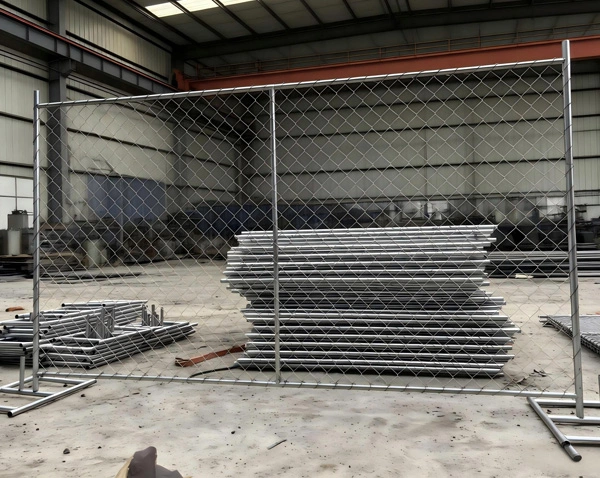
- Alignment and Tensioning: Proper alignment and tensioning are crucial for the longevity and functionality of the wire mesh. Use a string line or laser level to ensure that the mesh is straight and evenly spaced. Apply consistent tension to prevent sagging or uneven distribution of stress. For fences, this may involve stretching the mesh between posts and securing it at regular intervals.
By following these techniques, you can achieve a professional and durable installation that will stand the test of time.
Maintenance and Long-Term Care
After the wire mesh is installed, regular maintenance is essential to ensure its longevity and continued performance. Here are some tips for maintaining your wire mesh:
- Regular Inspections: Conduct periodic inspections to check for signs of wear, corrosion, or damage. Look for loose fasteners, rust spots, or areas where the mesh has become detached from the support structure. Address any issues promptly to prevent further deterioration.
- Cleaning and Protection: Clean the wire mesh periodically to remove dirt, debris, and other contaminants. Use a soft brush or a low-pressure water spray to avoid damaging the surface. In corrosive environments, apply a protective coating or treatment to extend the life of the wire mesh.
- Repairs and Replacements: When repairs are necessary, follow the same installation techniques to ensure a seamless integration. Replace damaged sections with new material that matches the existing wire mesh in terms of gauge, opening size, and material. Regular maintenance and timely repairs will help prolong the lifespan of your installation.
By implementing a proactive maintenance plan, you can maximize the durability and effectiveness of your wire mesh installation, ensuring that it remains in top condition for years to come.
In conclusion, the successful installation of wire mesh requires careful planning, proper techniques, and ongoing maintenance. By understanding your wire mesh installation guides, preparing adequately, and following the recommended practices, you can achieve a safe, efficient, and long-lasting installation. Whether you are a professional contractor or a DIY enthusiast, these essential tips will help you get the job done right.


 English
 China
China Thailand
 Malaysia
 Vietnam
 Laos
Laos Cambodia
 Pilipinas
 Indonesia
 Russian
 Portuguese
 Arabic
 Japanese
 Spanish
 Italian
 French
 German
Leave a Reply