

 English
 China
China Thailand
 Malaysia
 Vietnam
 Laos
Laos Cambodia
 Pilipinas
 Indonesia
 Russian
 Portuguese
 Arabic
 Japanese
 Spanish
 Italian
 French
 German
News
- Home
- News
- Company News
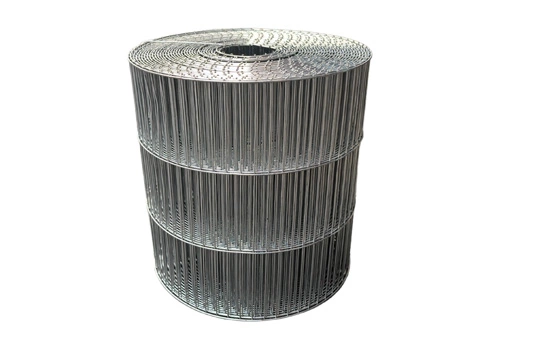
Stainless steel wire mesh rope, an essential component in various security and architectural applications, boasts a unique combination of strength, durability, and aesthetic appeal. This section delves into how these properties are achieved, focusing on the material's composition and manufacturing processes.
The primary reason for the high durability of stainless steel wire mesh ropes lies in their alloy composition. Typically, they consist of iron, chromium, and nickel, with varying amounts of other elements like molybdenum or titanium. Chromium, especially, forms a protective layer on the surface that prevents corrosion, making it ideal for outdoor use.
The method used to manufacture Stainless Steel Wire Mesh Rope significantly impacts its final strength. Cold drawing, one of the most common techniques, involves pulling the wire through a series of dies to reduce its diameter while increasing its tensile strength. This process ensures that the rope can withstand substantial loads without breaking.
To ensure reliability, rigorous quality control measures are implemented throughout the production process. These include testing raw materials, inspecting during manufacturing stages, and conducting final product evaluations. Such steps guarantee that each batch of stainless Steel Wire mesh rope meets industry standards for safety and performance.
Due to their robust nature, stainless steel wire mesh ropes find extensive use in enhancing security across different sectors. This part explores some key applications where these ropes play a crucial role, highlighting their advantages over traditional alternatives.
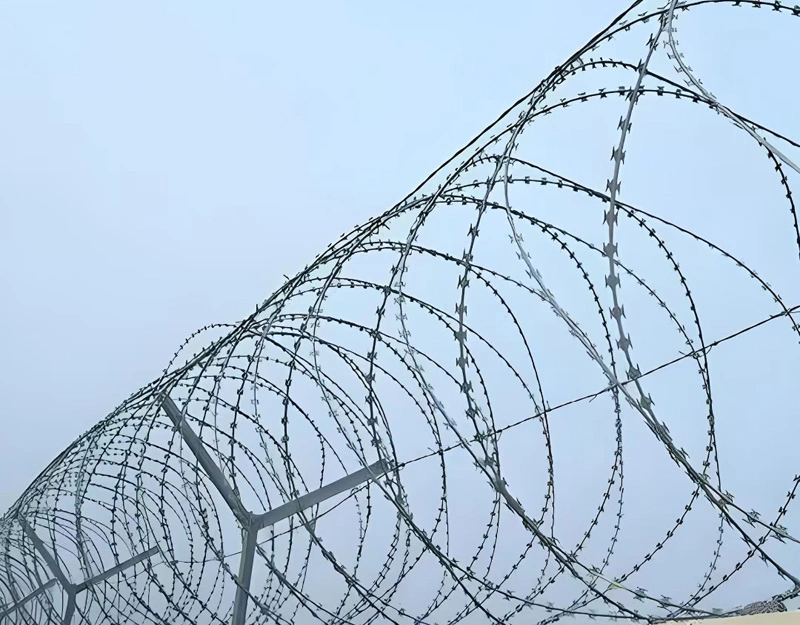
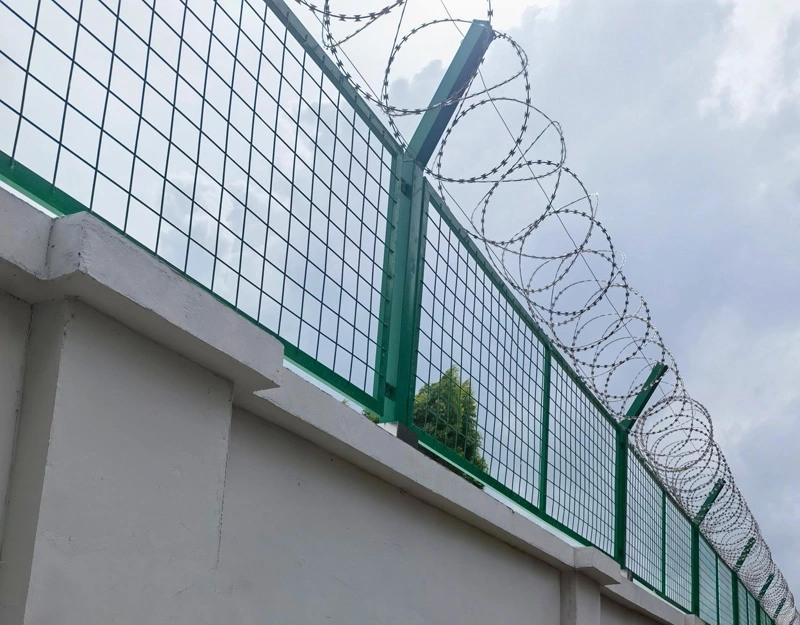
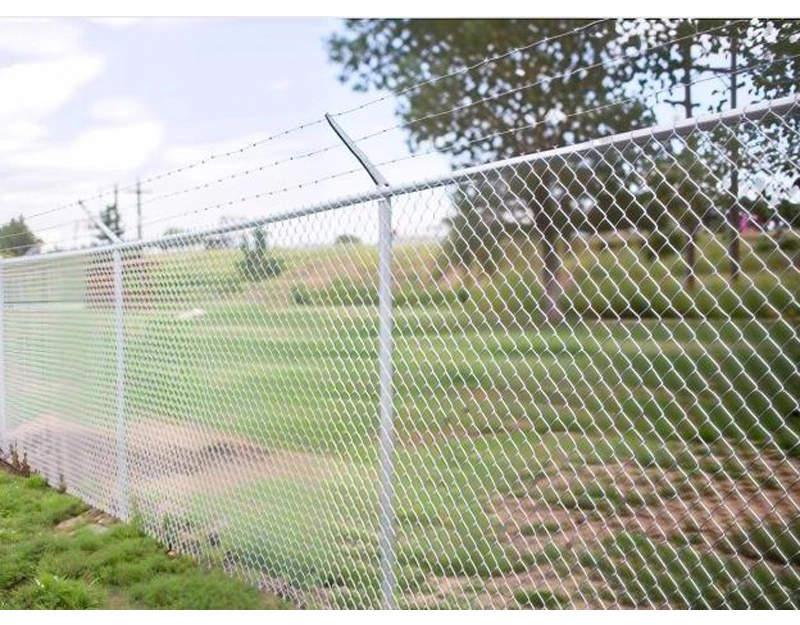
One of the most direct applications of stainless steel wire mesh rope is in creating physical barriers for perimeter security. Its high tensile strength makes it difficult to cut or break, providing a formidable obstacle against unauthorized access. Additionally, the mesh design allows for visibility and airflow, maintaining surveillance and comfort.
Beyond just acting as a barrier, stainless steel wire mesh ropes also serve as reliable support structures for surveillance cameras and lighting systems. The flexibility and lightness of the material make installation easy, even in challenging environments. Moreover, the non-corrosive property ensures long-term stability and minimal maintenance requirements.
In modern security setups, integrating physical barriers with smart technologies is becoming increasingly popular. Stainless steel wire mesh ropes can be equipped with sensors to detect intrusions, sending alerts to security personnel. This integration enhances overall security by combining the physical deterrent with real-time monitoring capabilities.
While stainless steel wire mesh ropes are inherently durable, proper maintenance is necessary to extend their lifespan and ensure continued effectiveness. This section discusses best practices for maintaining these ropes, including regular inspection, cleaning, and replacement strategies.
Regular inspections are critical for identifying any signs of wear or damage early on. A comprehensive maintenance schedule should include visual checks for corrosion, breaks, or deformations. By addressing issues promptly, you can prevent more serious problems from developing, thus extending the life of the rope.
Proper cleaning and lubrication are essential for keeping stainless steel wire mesh ropes in optimal condition. Regularly removing dirt, debris, and corrosive substances helps maintain the integrity of the material. Applying a suitable lubricant can further protect the surface and reduce friction, which is particularly important in moving parts.
Despite their longevity, stainless steel wire mesh ropes will eventually need to be replaced. Developing a replacement strategy that balances cost and safety is crucial. Factors such as the frequency of use, environmental conditions, and the specific application should all be considered when determining the appropriate replacement interval. Investing in high-quality ropes may initially be more expensive but can save money in the long run by reducing the need for frequent replacements.

Leave a Reply