

 English
 China
China Thailand
 Malaysia
 Vietnam
 Laos
Laos Cambodia
 Pilipinas
 Indonesia
 Russian
 Portuguese
 Arabic
 Japanese
 Spanish
 Italian
 French
 German
News
- Home
- News
- Company News
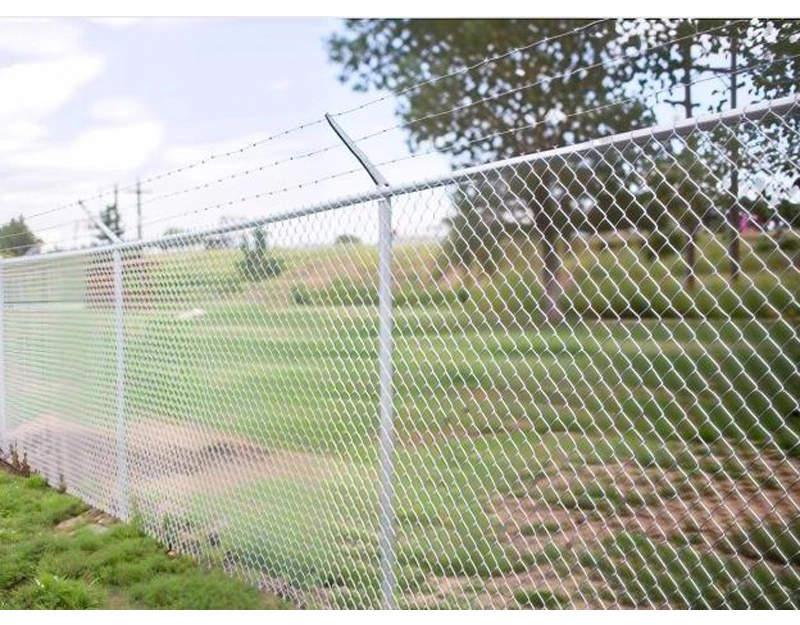
The choice of material for a chain link fence is crucial to its longevity and effectiveness. A well-constructed chain link fence not only serves as a physical barrier but also enhances the security of properties. This section delves into why durability should be a primary consideration when selecting materials for your chain link fence.
High-quality materials are essential for ensuring that a chain link fence remains sturdy over time. Factors such as resistance to corrosion, ability to withstand environmental stresses, and overall structural integrity contribute significantly to how long a fence will last without requiring major repairs or replacement. For instance, using galvanized steel wires can dramatically increase the lifespan of a chain link fence by providing superior protection against rust and weathering.
While it may seem more economical initially to opt for cheaper materials, the long-term costs associated with frequent maintenance and early replacement often outweigh any initial savings. Investing in durable materials, even if they come at a higher upfront cost, can lead to significant financial benefits in the future. The reduced need for repairs and replacements means lower ongoing expenses, making high-quality, durable materials a wise investment for property owners.
Besides economic factors, the environmental impact of choosing less durable materials should also be considered. Frequent replacements result in increased waste production and resource consumption. By opting for a chain link fence made from sustainable, recyclable, and long-lasting materials, one contributes positively to reducing their ecological footprint. Additionally, some manufacturers offer eco-friendly options like recycled metal or coatings that minimize environmental harm, further enhancing the sustainability profile of these fencing solutions.
A properly designed and installed chain link fence can significantly enhance the security of a property. However, achieving optimal security requires careful planning and execution. This part of the report focuses on key design and installation practices that ensure maximum security benefits from a chain link fence.
To serve as an effective deterrent, a chain link fence must meet specific height and layout requirements. Generally, fences should be at least six feet tall to prevent unauthorized access. Moreover, the layout needs to be carefully planned to cover all vulnerable areas around the perimeter, including corners and entry points, thereby leaving no gaps through which intruders could potentially enter.
For enhanced security, integrating a chain link fence with other security systems, such as surveillance cameras, motion sensors, and alarm systems, is highly recommended. These additional layers of security work synergistically to provide comprehensive protection. Surveillance cameras placed along the fence line can monitor activity and record potential breaches, while motion sensors and alarms can alert authorities or property managers in real-time, allowing for swift action.
Regular maintenance and inspection are critical to maintaining the integrity and functionality of a chain link fence. Routine checks should include looking for signs of damage, wear, or vandalism. Any issues identified during inspections, such as loose or broken links, should be addressed promptly to prevent further deterioration. Additionally, regular cleaning and repainting (if necessary) help maintain the fence's appearance and extend its lifespan. Establishing a consistent maintenance schedule ensures that the chain link fence remains an effective security measure for years to come.
Leave a Reply